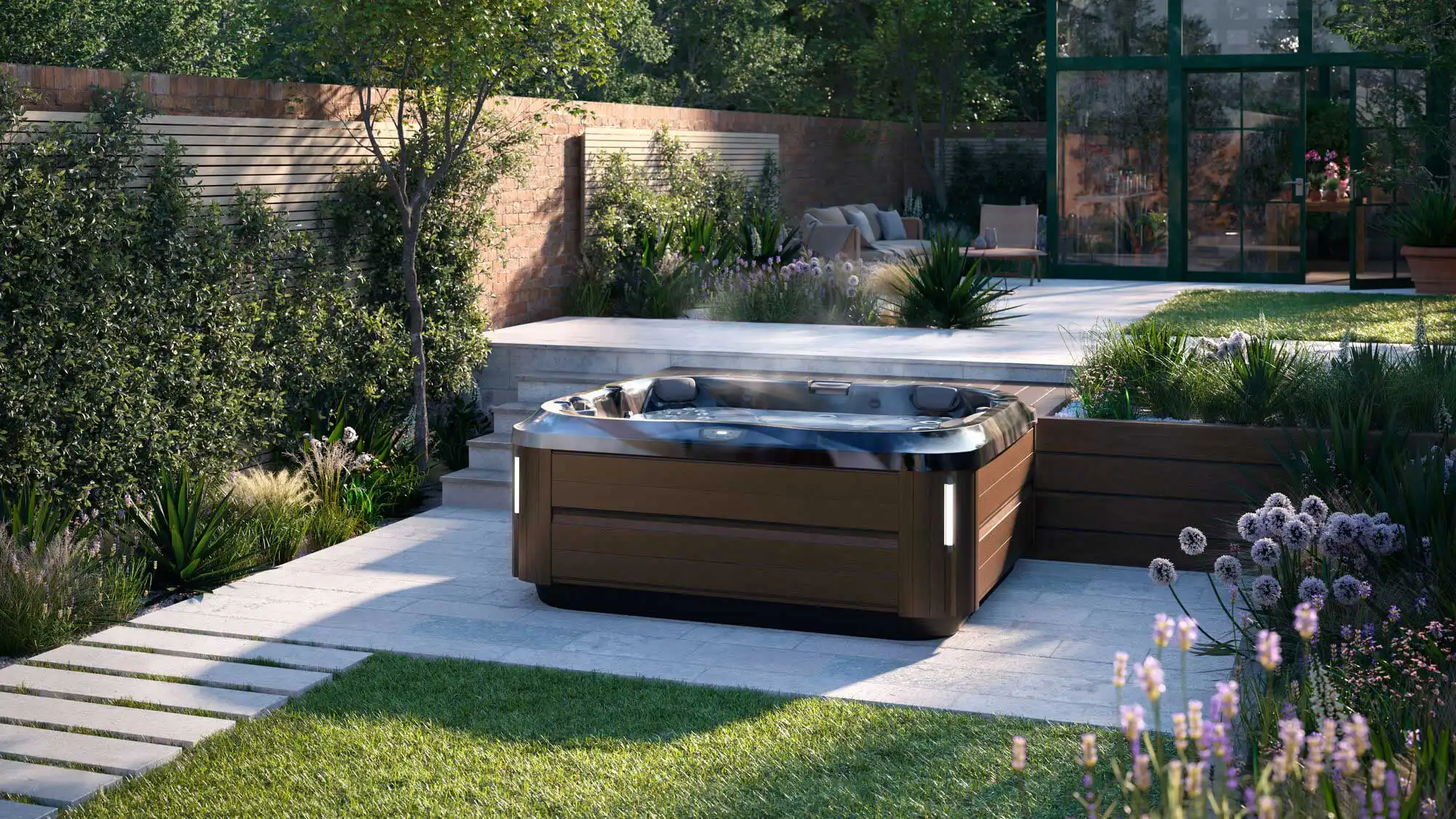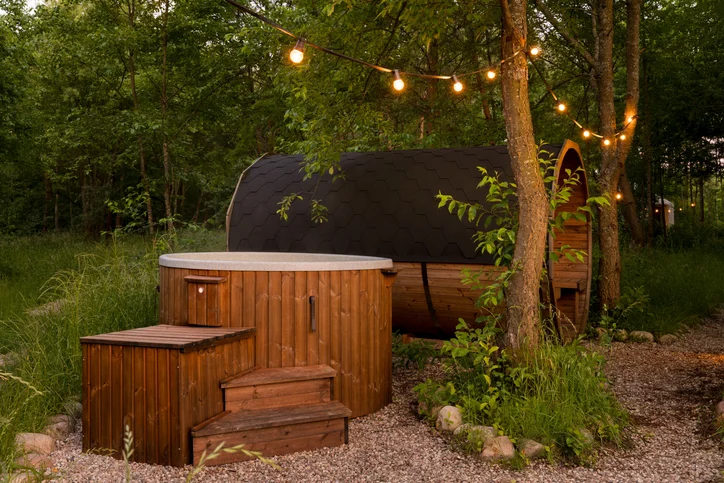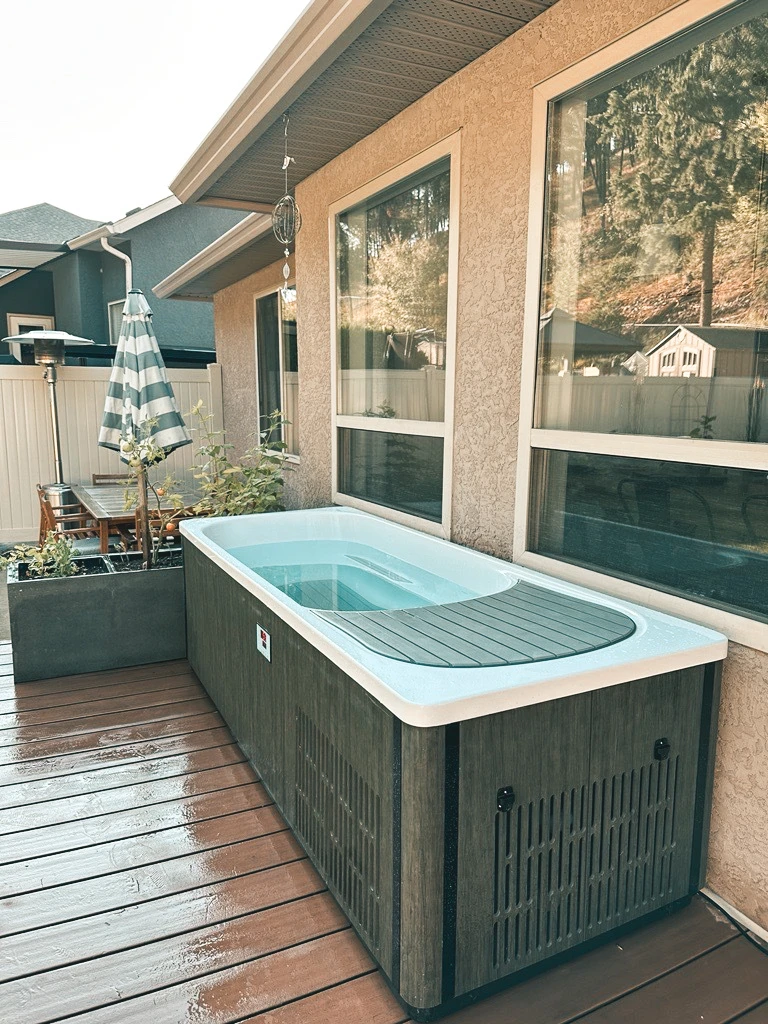
Most homeowners treat outdoor spa lighting as an afterthought, something to add once the hot tub is installed and the landscaping is done. But that thinking leaves a lot on the table. Outdoor lighting around your spa does far more than create a pretty glow at night. It protects you and your guests from slips and falls, shapes the mood of every soak, and can transform a simple backyard into a genuine wellness retreat. This guide walks you through everything you need to know: the safety essentials, the design principles, the fixtures to choose, and the mistakes to avoid.
Table of Contents
- Why outdoor lighting matters for spa safety and ambiance
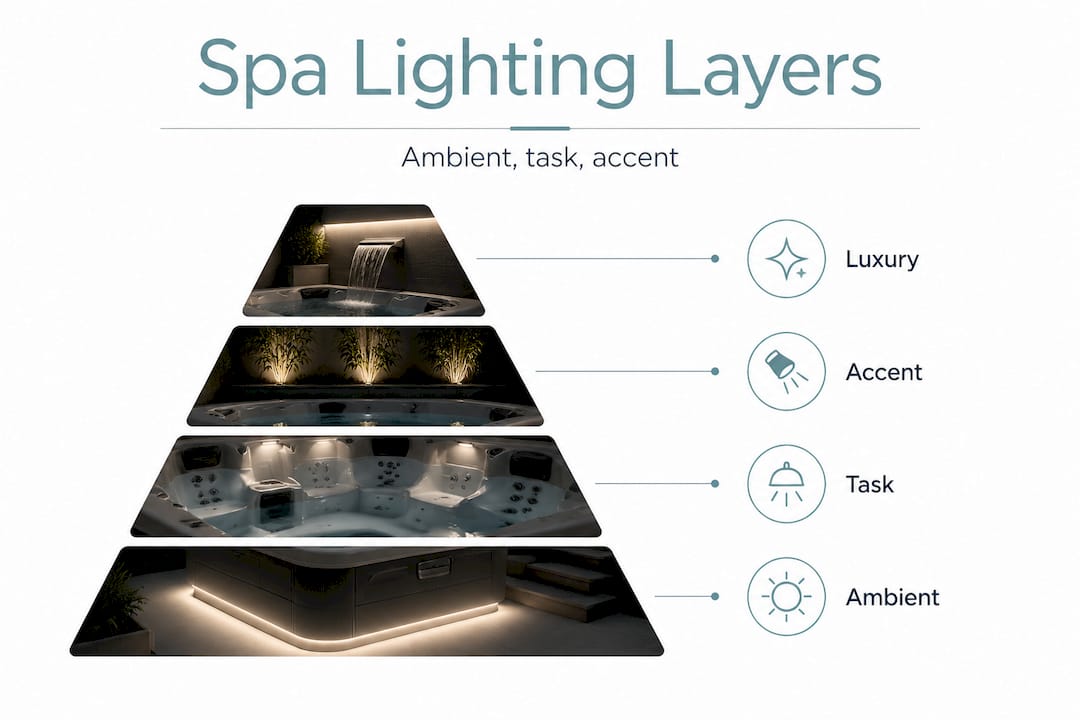
- The three layers of spa lighting: Ambient, task, and accent
- Choosing the right fixtures: Safety requirements and smart controls
- Common lighting mistakes and expert design tips
- Pulling it all together: Practical steps for your outdoor spa
- A designer’s take: What most guides get wrong about spa lighting
- Bring your spa vision to life with expert help
- Frequently asked questions
Key Takeaways
| Point | Details |
|---|---|
| Safety first | Outdoor spa lighting prevents slips and injuries with proper illumination. |
| Layered lighting matters | Combining ambient, task, and accent lights creates a relaxing and safe spa atmosphere. |
| Choose fixtures wisely | Select IP65+ waterproof, low-voltage fixtures and GFCI outlets for code compliance. |
| Subtlety enhances relaxation | Avoid harsh lighting and use dim, warm light to create a true spa retreat. |
| Smart controls add flexibility | Apps and dimmers let you tailor lighting for mood or function with ease. |
Why outdoor lighting matters for spa safety and ambiance
When you step out to your hot tub after dark, the path from your back door to the water’s edge matters more than you might think. Wet surfaces, raised steps, and uneven decking become real hazards without proper illumination. Outdoor spa lighting enhances safety by illuminating pathways, steps, and edges to prevent slips and falls. That single function alone justifies the investment.
But safety is only half the story. The way your spa area is lit directly influences how relaxed you feel once you’re in the water. Harsh overhead lights signal alertness to your brain. Warm, low-level glows do the opposite. They cue your body to slow down, breathe deeper, and let go of the day’s tension. This is why the lighting choices you make around your spa have a measurable effect on the quality of your relaxation time.
The most effective approach is layered lighting, which means combining three distinct types of light to serve different purposes at once. Layered lighting using warm tones in the 2700K to 3000K range, paired with dimmable controls, creates the kind of ambiance that supports genuine relaxation. You can review our spa safety tips for a broader look at how environment affects safe spa use.
Here is what each layer brings to your outdoor spa space:
- Ambient lighting sets the overall mood with a soft, even glow across the entire area
- Task lighting provides brighter, focused light for safe entry, exit, and maintenance
- Accent lighting highlights architectural features, plants, and water elements to add visual depth
“The goal is never to flood a spa area with light. The goal is to use light intentionally, placing it where safety demands it and softening it everywhere else so the space feels like a true escape.” — Outdoor Lighting Design Principle
Once you appreciate why lighting isn’t just about looks, it’s time to understand the basic lighting principles that transform a spa area.
The three layers of spa lighting: Ambient, task, and accent
Think of your spa lighting design the way a photographer thinks about a portrait. You need a main light, a fill light, and a background light working together. Remove any one of them and the result feels flat or unflattering. The same principle applies to your outdoor spa.
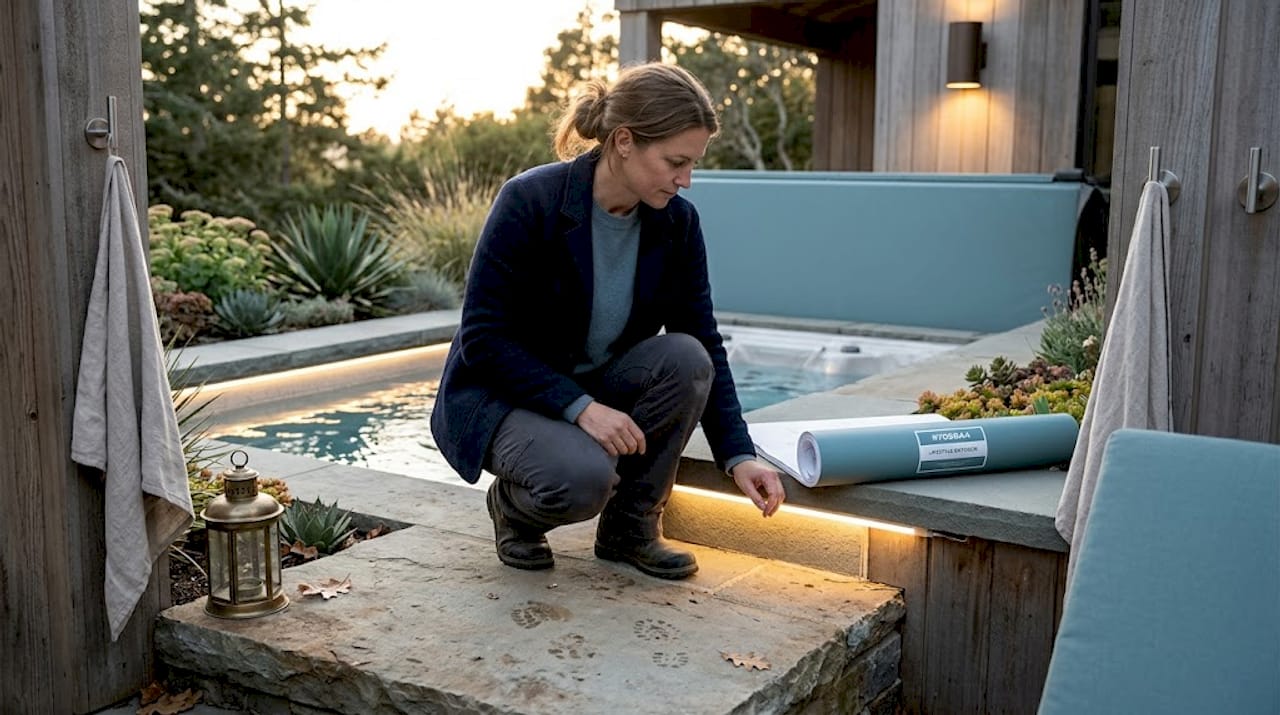
Layered lighting with warm tones and dimmable controls is the foundation of a well-designed spa environment. The key is knowing what role each layer plays and where to position it. You can find more inspiration in our guide on creating a tranquil spa atmosphere and our collection of spa styling ideas.
| Lighting layer | Primary purpose | Best placement | Recommended color temp |
|---|---|---|---|
| Ambient | Overall mood and general visibility | String lights, wall sconces, overhead lanterns | 2700K to 3000K (warm white) |
| Task | Safety at entry points and during maintenance | Step lights, pathway lights, under-rail lighting | 3000K to 3500K (neutral white) |
| Accent | Visual interest, feature highlighting | Uplights on plants, in-water LED lights, spotlights | 2700K to 3000K (warm white) |
Here are practical tips for combining all three layers effectively:
- Start with ambient. Install your base layer first so you can judge how much additional light you actually need before adding more.
- Keep task lights directional. Point them at the surface that needs illumination, not outward where they create glare.
- Use accent lights sparingly. Two or three well-placed accent fixtures create more drama than a dozen scattered ones.
- Match color temperatures across layers. Mixing warm and cool tones in the same space creates visual tension that undermines relaxation.
- Always include dimmers. The ability to shift from bright task mode to soft ambient mode is what makes a spa space truly versatile.
Understanding these three layers allows you to design a spa area that balances both function and luxury. Next, let’s address the technical requirements that keep your space safe and comfortable.
Choosing the right fixtures: Safety requirements and smart controls
This is where many homeowners make costly mistakes. Outdoor spa lighting is not the same as standard outdoor lighting. Water and electricity are a dangerous combination, and the fixtures you choose must meet specific safety standards to protect everyone who uses the space.
Low-voltage fixtures running on 12V or 24V systems, rated IP65 or higher for waterproofing, and paired with GFCI outlets are the baseline requirement for any spa lighting installation. IP65 means the fixture is fully dust-tight and protected against water jets from any direction. Anything less is a safety risk near a hot tub or swim spa.
Here is a quick reference for fixture selection:
| Specification | Minimum requirement | Why it matters |
|---|---|---|
| Voltage | 12V or 24V (low-voltage) | Reduces shock risk near water |
| IP rating | IP65 or higher | Protects against water and moisture |
| Outlet type | GFCI protected | Cuts power instantly if a fault is detected |
| Bulb type | LED | Energy efficient, cool-running, long lifespan |
| Dimmer compatibility | Yes | Allows mood adjustment and energy savings |
Follow these steps when choosing and installing your spa lighting fixtures:
- Audit your current setup. Check whether your outdoor outlets are GFCI protected. If not, that is your first upgrade.
- Choose low-voltage systems. Work with a licensed electrician to install a low-voltage transformer if you don’t already have one.
- Select IP65 or IP67 rated fixtures. IP67 offers even greater protection for fixtures positioned very close to the water.
- Plan your zones. Separate your task lighting circuit from your ambient and accent circuits so you can control them independently.
- Integrate smart controls. Smart lighting systems with app-based dimmers and multi-zone switching let you shift from bright cleaning mode to soft soaking mode with a single tap.
- Test before finalizing. Run the system at night before committing to fixture placement. What looks good in a showroom can feel very different in your actual backyard.
You can also review our swim spa safety tips for additional guidance on creating a safe water environment, and our spa oasis planning guide covers the broader design picture.
Pro Tip: Smart bulbs and app-controlled dimmers let you create lighting “scenes” saved to your phone. Set one scene for evening soaking, another for entertaining, and a third for maintenance. You’ll never fumble with switches in the dark again.
With fixture safety and controls handled, the next step is optimizing atmosphere without common mistakes that sabotage spa serenity.
Common lighting mistakes and expert design tips
Even homeowners who invest in quality fixtures often end up with a spa area that feels more like a parking lot than a private retreat. The culprit is almost always one of a handful of recurring mistakes.
Over-lighting is the most common error. Too many fixtures, or fixtures that are too bright, destroy the relaxed atmosphere you’re trying to create. They also cause glare that makes it hard to see clearly and can bother neighbors. The fix is almost always to remove lights, not add them.
“Balancing safety and mood is the real challenge. You can achieve both, but only if you resist the urge to keep adding more light every time something feels unclear. Subtlety is the signature of a well-designed spa space.” — Outdoor Design Expert
Mixing warm and cool color temperatures is another frequent problem. A cool white pathway light next to a warm amber wall sconce creates a jarring visual contrast that undermines the sense of calm. Stick to one color temperature range across all your fixtures.
Here are the most important design tips for achieving a truly spa-like atmosphere:
- Conceal your fixtures wherever possible. Recessed step lights, under-rail strips, and buried uplights create light without visible hardware. The effect feels magical because the source is hidden.
- Use warm white exclusively. Bulbs in the 2700K to 3000K range mimic candlelight and firelight, which are the most universally relaxing light sources humans know.
- Avoid colored LED modes for everyday use. Color-changing LEDs are fun occasionally, but blue or green light at night suppresses melatonin and works against relaxation.
- Light the water, not the people. Position accent lights to illuminate the surface of the water or the surrounding landscaping, not to shine directly into the eyes of people soaking.
- Less is genuinely more. A single well-placed uplight on a nearby tree creates more atmosphere than five poorly placed path lights.
You can find more ideas on enhancing your spa environment in our hot tub accessory tips guide.
Pro Tip: Before finalizing any lighting plan, spend an evening in your spa area with just a few candles or a single warm lamp. Notice what you naturally want to see illuminated and what you’re happy to leave in shadow. That exercise will tell you more than any lighting catalog.
Now that you can spot common pitfalls and advanced tricks, let’s see how to tie everything together with a clear design approach.
Pulling it all together: Practical steps for your outdoor spa
You don’t need to overhaul everything at once. Good spa lighting is often built incrementally, starting with the most impactful changes and adding layers over time. Here is a practical framework to get you started.
- Start with safety. Add pathway lights and step lights first. These deliver the highest immediate value and protect everyone who uses the space after dark.
- Upgrade your outlets. Confirm all outdoor outlets near the spa are GFCI protected. This is a non-negotiable safety step.
- Add a dimmer to your primary ambient light. Even a single dimmable fixture changes the entire feel of the space. Warm, dimmable ambient lighting in the 2700K to 3000K range is the single most impactful upgrade most homeowners can make.
- Layer in accent lighting. Once your safety and ambient layers are in place, add two or three accent fixtures to highlight plants, water features, or architectural elements.
- Consider smart controls. If you find yourself adjusting lights frequently, a smart system pays for itself quickly in convenience and energy savings.
- Evaluate after 30 days. Live with the setup for a month before adding anything else. You may find you need less than you thought.
- Consult a professional for complex installs. If you’re adding in-water lighting, running new circuits, or working near the spa’s equipment, a licensed electrician is worth every penny.
For a broader look at designing your ideal outdoor space, our guide on choosing outdoor hot tubs covers the full picture from equipment to environment.
A designer’s take: What most guides get wrong about spa lighting
Here’s something we’ve seen repeatedly when helping homeowners upgrade their outdoor spaces: the biggest lighting problems aren’t caused by bad fixtures or wrong bulb colors. They’re caused by a fundamental misunderstanding of what spa lighting is supposed to do.
Most people approach it as a visibility problem. “I need to see where I’m going, so I’ll add more lights.” That logic works in a parking garage. It doesn’t work in a personal wellness retreat. A spa is supposed to be a place where the outside world fades away. The moment you flood it with bright, even light, you’ve recreated the feeling of being indoors under fluorescents. The retreat disappears.
Over-lighting ruins the relaxation atmosphere more reliably than almost any other design mistake. Yet it’s the most common one we see. The counterintuitive truth is that a darker spa area, with a few carefully placed warm lights, feels more luxurious and more private than a brightly lit one.
The best spa lighting we’ve encountered in real home projects shares one quality: restraint. The homeowners who got it right were the ones who kept asking “can I take something away?” rather than “what should I add?” They treated darkness as a design element, not a problem to solve.
Small, intentional touches make all the difference. A single uplight behind a potted plant. A recessed strip under the spa’s lip. A warm lantern on a nearby table. These little luxuries add up to something that feels genuinely high-end without requiring a large budget or a complex installation.
The lesson: trust the darkness. Use light to guide, to highlight, and to warm. Let the shadows do the rest.
Bring your spa vision to life with expert help
You now have a solid foundation for transforming your outdoor spa into a true wellness sanctuary. The right lighting strategy makes every soak feel intentional, safe, and deeply restorative.

If you’re ready to take the next step, our team at Lifestyle Outdoor is here to help you bring it all together. Whether you’re starting from scratch or refining an existing setup, our plan your hot tub oasis guide gives you a practical roadmap. You can also explore our detailed resource on creating the perfect hot tub atmosphere for design ideas that go beyond lighting. Our showrooms and specialists are ready to help you create the backyard retreat you’ve always imagined.
Frequently asked questions
What type of outdoor lighting is safest for a spa?
Low-voltage fixtures running on 12V or 24V systems, rated IP65 or higher, and paired with GFCI-protected outlets are the safest choice for any spa or hot tub area. These specifications are the industry standard for wet outdoor environments.
How do I avoid harsh lighting in my spa area?
Use dimmers, warm white bulbs in the 2700K to 3000K range, and conceal fixtures wherever possible to eliminate glare and maintain a calm, relaxing atmosphere. Hidden light sources always feel more luxurious than exposed ones.
Can I control spa lighting from my phone?
Yes, many modern systems integrate with smart apps for remote control, scheduling, and scene setting, making it easy to switch between task and relaxation modes without touching a switch.
Does outdoor lighting really affect stress and relaxation?
Absolutely. Layered, warm-toned lighting in the 2700K to 3000K range signals your nervous system to slow down and relax, making it a genuine wellness tool rather than just a decorative choice.