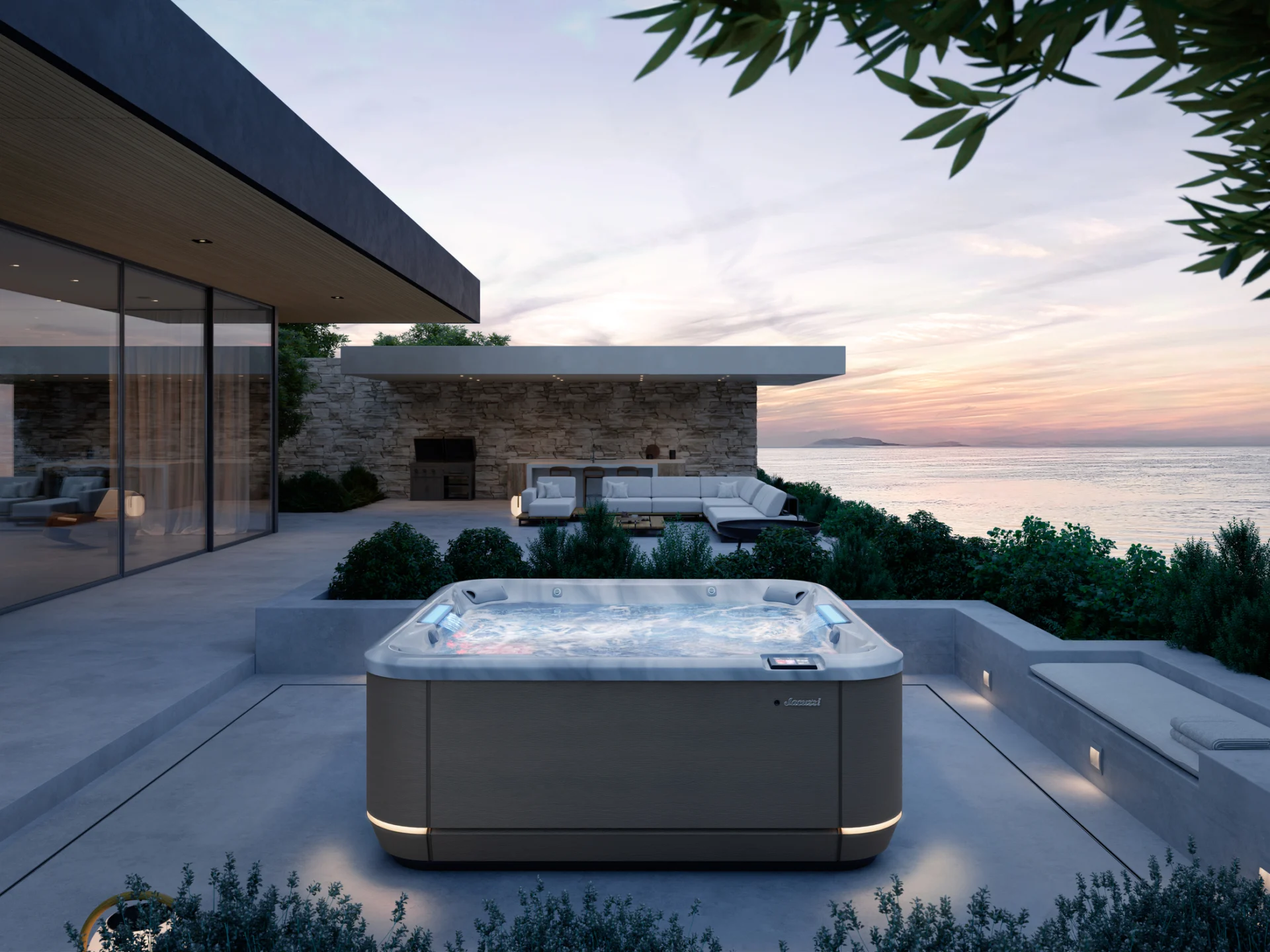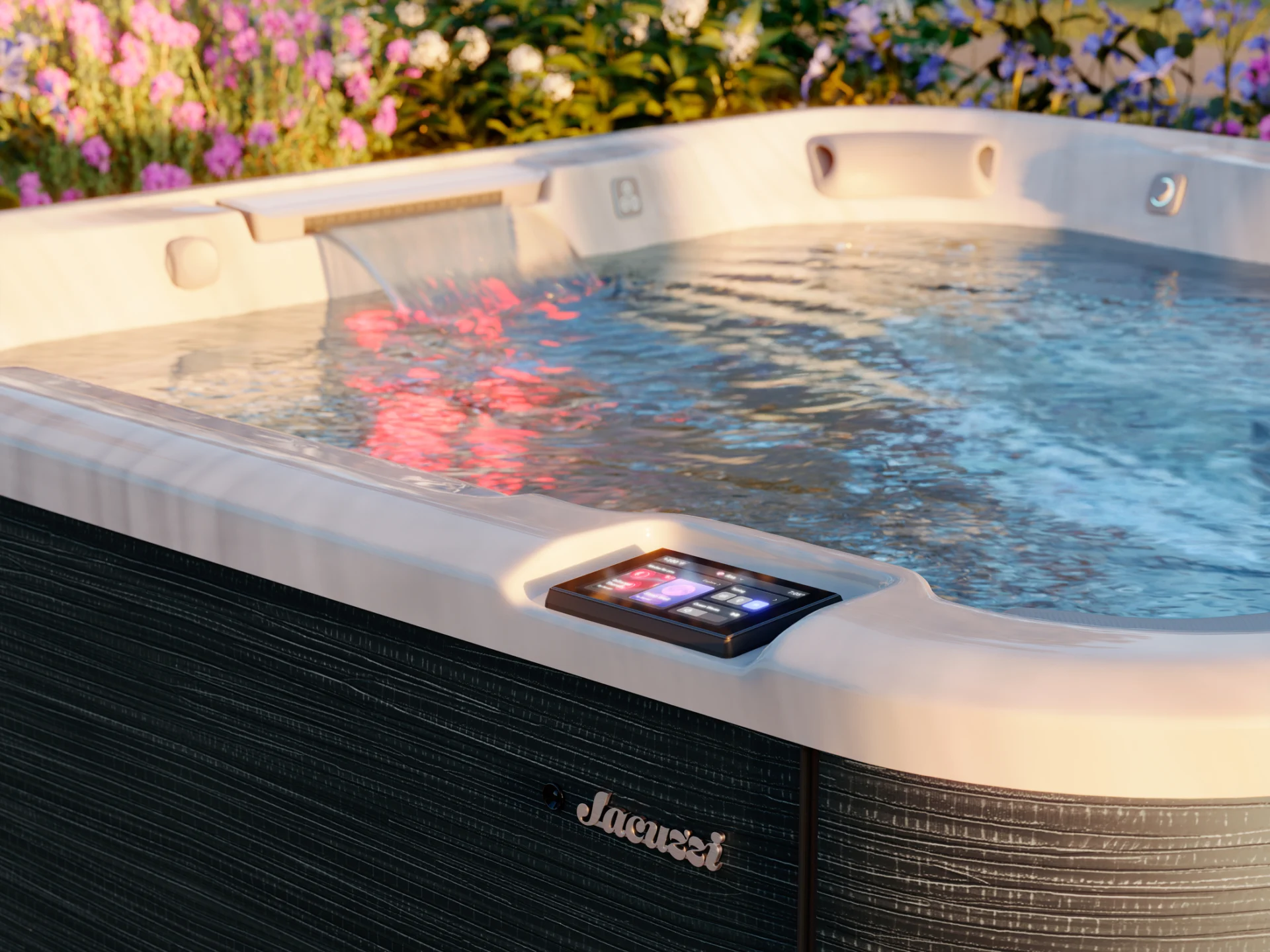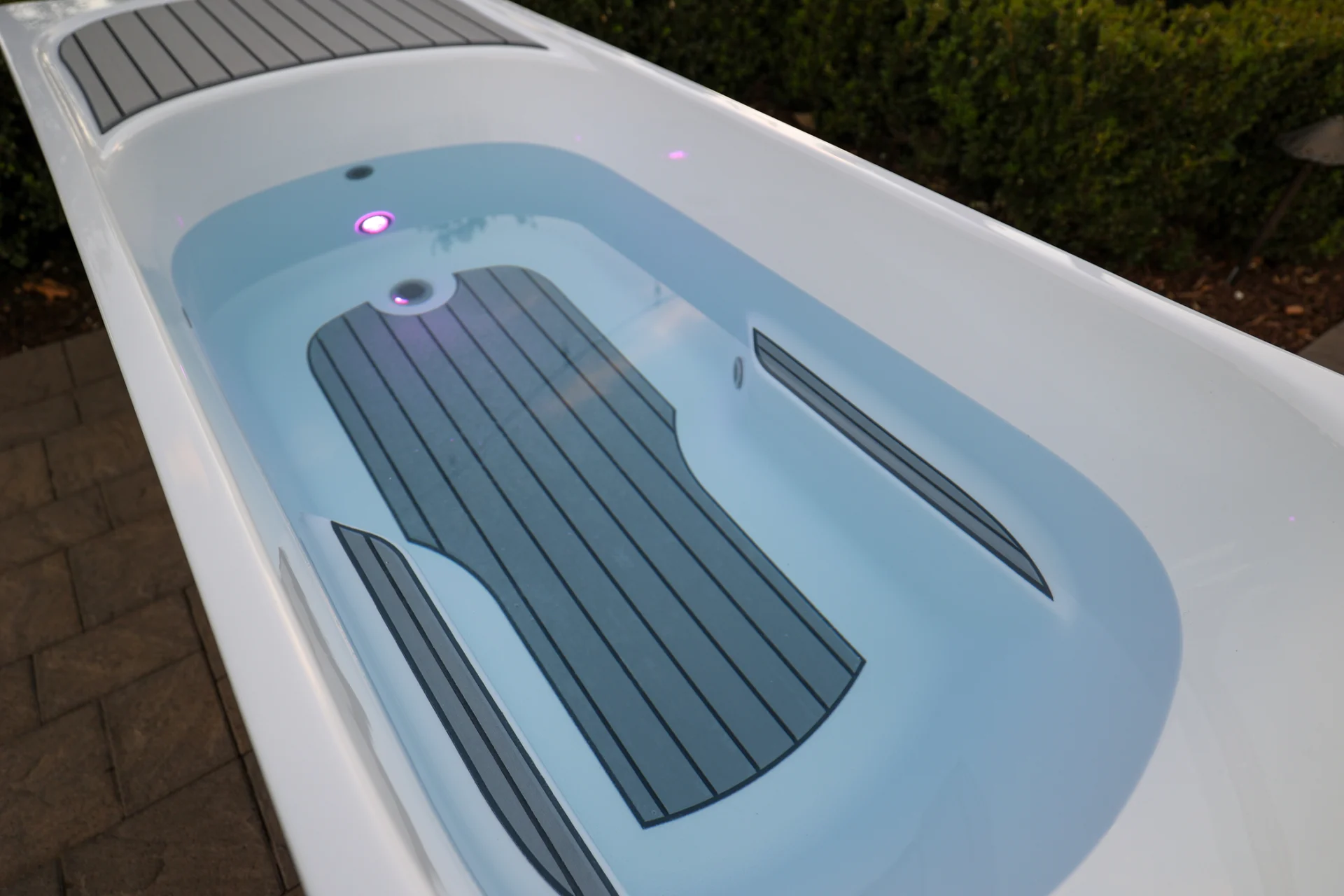
Are you wondering how to choose a hot tub?
Buying a hot tub should feel exciting, not overwhelming. But many homeowners discover, too late, that a purchase driven by a showroom demo or a weekend sale left them with a model that costs too much to run, doesn’t fit their space, or simply doesn’t deliver the daily relaxation they imagined.
The good news?
Most of those regrets are completely avoidable. This guide walks you through every major decision, from defining your goals to finalizing your installation, so you can invest with confidence and actually enjoy your backyard oasis for years to come.
Table of Contents
- Clarify your hot tub goals and space
- Understand costs: Upfront, running, and hidden
- Hot tub types and features: How to compare your options
- Location and installation: Avoiding costly mistakes
- Before you buy: Test, compare, and finalize your decision
- Our expert perspective: Choosing a hot tub that actually fits your life
- Ready to make your backyard a retreat?
- Frequently asked questions
Key Takeaways
Here are the top key takeaways to consider when asking the age old question: how to choose a hot tub?
| Point | Details |
|---|---|
| Understand total costs | Consider purchase price, installation, maintenance, and energy use before buying. |
| Match features to needs | Prioritize jets, seating, and amenities that support your primary use and enjoyment. |
| Avoid installation mistakes | Plan ahead for site prep, electrical work, and compliance to prevent delays and added costs. |
| Test before you buy | Trying hot tubs in person ensures comfort and helps you pick the best model for your lifestyle. |
Clarify Your Hot Tub Goals and Space
Before you look at a single model, get clear on why you want a hot tub. It’s not enough to ask how to choose a hot tub, but you really do need to clarify your goals and assess your space.
That answer shapes every decision that follows. Are you looking for a therapeutic soak to ease sore muscles after workouts? A social hub for weekend entertaining? A family-friendly spot the kids will love? Or a quiet personal retreat where you can decompress after a long day?
Your intended use directly affects the features you need. A couple focused on hydrotherapy will prioritize targeted jet placement and ergonomic seating. A family with teenagers needs more seats, durable surfaces, and easy-to-manage controls. Entertaining-focused buyers often want mood lighting, Bluetooth audio, and a sleek exterior cabinet.
Key goals to define before you shop:
- Primary users (couple, family, solo, guests)
- Frequency of use (daily, a few times a week, occasional)
- Wellness priorities (jet therapy, heat soaking, relaxation)
- Entertainment or social needs
- Budget for purchase and ongoing costs
Once you know your goals, assess your space. Measure your outdoor area and note any access restrictions, such as narrow gates or low-hanging structures, that could complicate delivery. Check privacy from neighbors and consider sun exposure, wind, and proximity to your home’s electrical panel. A good spa preparation guide will walk you through what your site needs before the hot tub arrives.
Think about atmosphere, too. Creating the perfect hot tub atmosphere involves more than the tub itself. Landscaping, privacy screens, lighting, and nearby seating all contribute to how much you actually use and enjoy the space.
Pro Tip: Visit a showroom and physically sit in the models you’re considering. Test jets and seating in person to see what actually feels comfortable for your body, because what looks good on a spec sheet may feel awkward in real life. Jet pressure, seat depth, and headrest position vary significantly between models.
Knowing how to purchase the right hot tub starts with this honest self-assessment. Homeowners who skip this step often end up with a tub that’s too large for their yard, too small for their family, or loaded with features they never use.
Understand Costs: Upfront, Running, and Hidden
With your list of must-haves and a sense of your available space, the next step is understanding the full cost picture. The sticker price is just the beginning. Your real investment includes site preparation, electrical work, delivery, permits, and ongoing operating expenses.
Typical hot tub cost breakdown:
| Cost category | Typical range |
|---|---|
| Hot tub purchase price | $3,000 to $16,000+ |
| Concrete pad installation | $1,400 to $3,500 |
| 240V electrical wiring | $800 to $2,200 |
| Delivery and setup | $200 to $800 |
| Permits and inspections | $50 to $500 |
| Annual maintenance (chemicals, filters) | $400 to $1,000 |
Installation requires a level concrete pad, proper 240V wiring, and clearances of at least five feet from structures. Indoor installations add ventilation requirements and potential structural reinforcement costs.
Energy is where ongoing costs surprise most buyers. On average, hot tubs cost $20 to $60 per month in electricity at the US average rate of around 17 cents per kilowatt-hour. That’s $240 to $720 per year. High-efficiency models can drop that to $10 to $20 monthly. In cold climates, winter heating costs can push monthly bills past $100.
Important: Lowering your set temperature by just 1°F saves approximately 10% on energy costs. If you use your hot tub less in winter, turning it down rather than leaving it at full temperature year-round is one of the easiest ways to manage your electricity bill.
Efficient vs. standard model: Long-term cost comparison
| Factor | Standard model | High-efficiency model |
|---|---|---|
| Purchase price | $4,000 to $6,000 | $7,000 to $12,000 |
| Monthly energy cost | $40 to $60 | $10 to $20 |
| Annual energy cost | $480 to $720 | $120 to $240 |
| 5-year energy cost | $2,400 to $3,600 | $600 to $1,200 |
| Repair frequency | Higher | Lower |
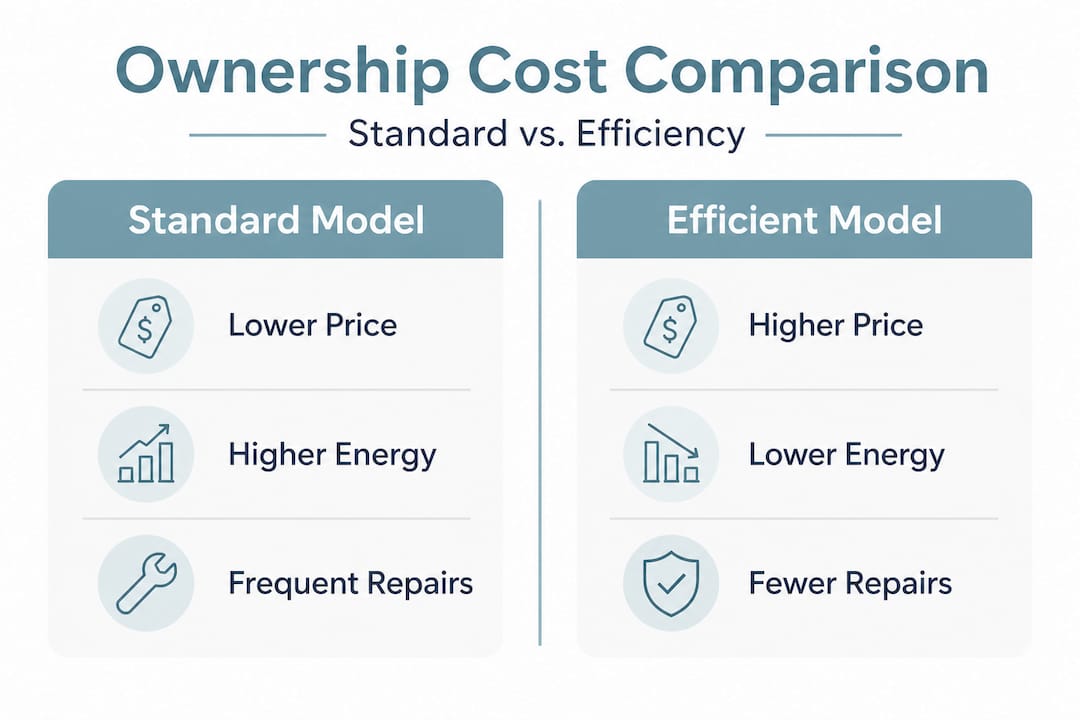
As this comparison shows, total ownership cost consistently exceeds the purchase price when you factor in energy and repairs. Premium models often pay for themselves within three to five years through lower operating expenses.
Pro Tip: Ask dealers for the model’s estimated annual energy cost based on your local utility rate. A reputable dealer will provide this without hesitation. If they can’t, that’s a red flag.
Our hot tub maintenance guide covers routine upkeep in detail, and our breakdown of how hot tubs affect your electricity bill gives you a clearer picture of what to expect month to month.
Hot Tub Types and Features: How to Compare Your Options
After preparing your budget, the real fun begins, sorting through the menu of models, features, and technologies available in today’s hot tubs. The market offers several distinct categories, each with different strengths.
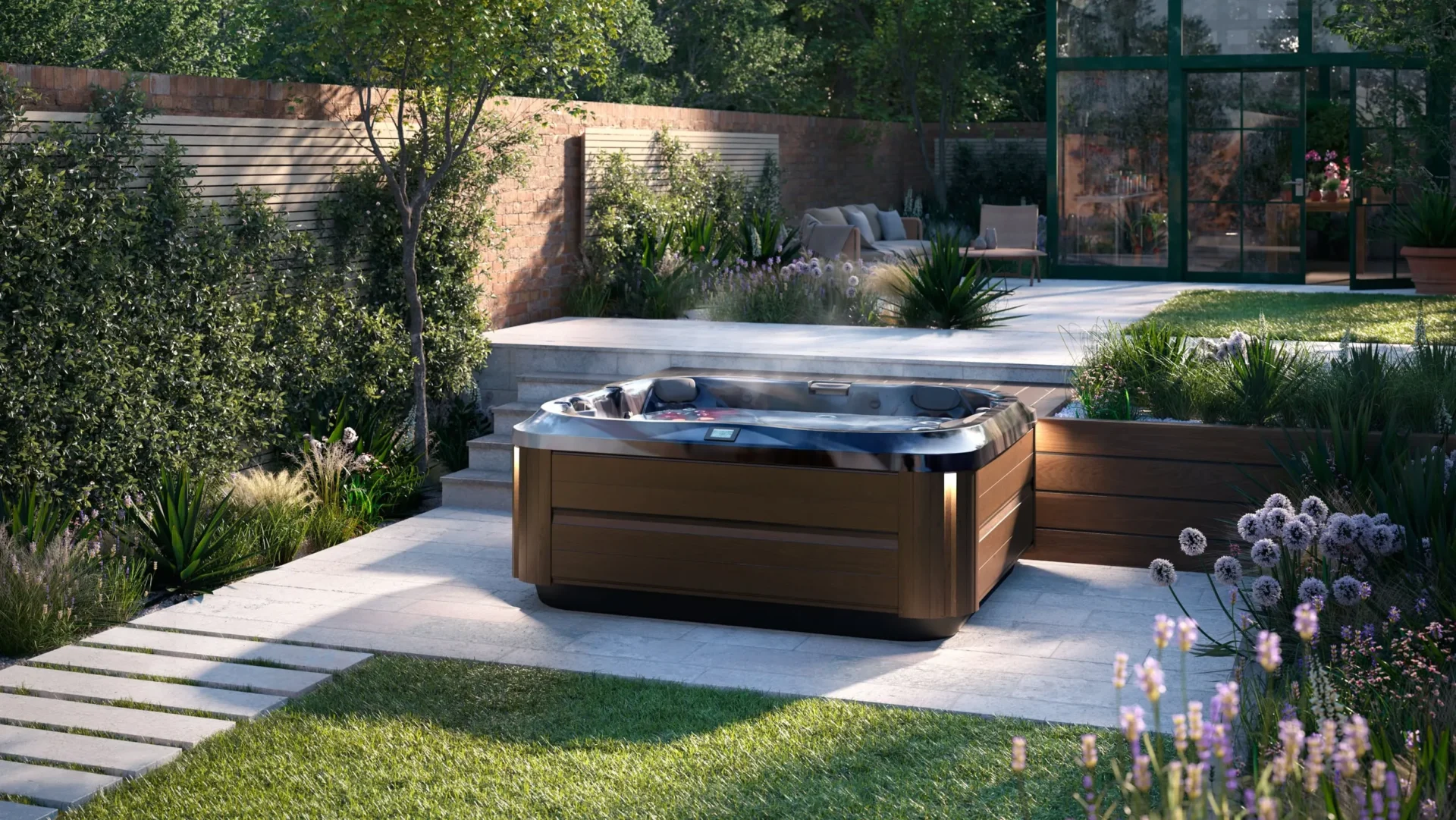
Main hot tub types:
| Type | Best for | Key advantage | Drawback |
|---|---|---|---|
| Traditional acrylic | Most homeowners | Durable, full-featured | Requires 240V, professional install |
| Plug-and-play | Renters, first-timers | Easy setup, 120V | Limited jets, less insulation |
| Portable/freestanding | Flexibility | Can be relocated | Less premium feel |
| In-ground spa | Permanent luxury | Seamless aesthetics | High cost, major renovation |
| Swim spa | Fitness + relaxation | Exercise and soaking | Larger footprint, higher price |
For most homeowners, a traditional acrylic model delivers the best balance of comfort, efficiency, and longevity. Plug-and-play models are tempting for their simplicity, but their lower jet count and weaker insulation make them a compromise for regular use.
Features worth prioritizing:
- Jets: Look at the number, type, and placement. Rotating jets and targeted lumbar or shoulder jets matter more than raw jet count.
- Seating: Lounge seats offer full-body immersion; upright seats work better for socializing. Mixed layouts serve both.
- Insulation: Full-foam insulation dramatically reduces heat loss and energy costs compared to partial-foam designs.
- Filtration: A reliable, easy-to-clean filtration system keeps water clear and reduces chemical use.
- Smart controls: Wi-Fi-enabled systems let you preheat your tub remotely and monitor energy use from your phone.
- Lighting: LED lighting with color options transforms the experience after dark.
- Accessibility: Wider steps, handrails, and lower entry points matter for older adults or anyone with mobility considerations.
The benefits of owning a hot tub go well beyond relaxation, including improved sleep, reduced muscle tension, and stress relief, so features that support those outcomes are worth the investment.
How to build your shortlist:
- Rank your top five must-have features.
- Set a firm budget range (purchase plus installation plus first-year operating costs).
- Identify two or three models that check your top boxes.
- Visit a showroom and physically test each one.
- Compare warranty terms and dealer support before deciding.
Remember to test jets and seating in person rather than relying solely on online specs. Comfort is subjective, and what works for one person may not work for another.
Location and Installation: Avoiding Costly Mistakes
You’ve narrowed the field, but placement and preparation can make or break your investment. Choosing the wrong location or skipping proper site prep leads to delays, unexpected costs, and sometimes serious structural problems.
Top installation mistakes to avoid:
- Skipping the permit process. Many municipalities require permits for hot tub installation. Skipping this step can result in fines, forced removal, or problems when you sell your home.
- Choosing an unsupported surface. Decks must be engineered to support a filled hot tub, which can weigh 3,000 to 6,000 pounds. Always get a structural assessment first.
- Underestimating electrical costs. A 240V dedicated circuit is non-negotiable for most full-size models. Trying to cut corners here creates safety hazards.
- Poor placement for access. You need clearance around the tub for maintenance, cover removal, and filter access. Tight placements become frustrating quickly.
- Ignoring drainage. Water must drain away from your home’s foundation. A flat or inward-sloping surface causes long-term water damage.
- Forgetting about privacy. A beautiful tub in a fully exposed yard rarely gets used as often as one in a private, sheltered setting.
Installation requires a level concrete pad and 240V electrical wiring. Setbacks of at least five feet from structures are standard, and indoor installations must include proper ventilation to prevent moisture damage and mold.
Warning: Never place a hot tub on an existing deck without first confirming the deck’s load capacity with a licensed contractor. A filled hot tub exerts excess weight, and structural failure is a serious safety risk.
Our detailed spa installation steps break down each phase of the process, and our guide to planning your hot tub oasis helps you think through location, landscaping, and long-term enjoyment from the start.
Before You Buy: Test, Compare, and Finalize Your Decision
Careful shopping prevents regrets. Here’s how to confidently make your final pick before signing anything.
What to do before committing:
- Visit a showroom. Sit in the actual models you’re considering. Spend at least 15 to 20 minutes in each one to assess comfort, jet pressure, and ease of entry and exit.
- Ask about the wet test. Some dealers offer a wet test, where you actually soak in a filled tub. This is the gold standard for making a confident decision.
- Review warranty terms carefully. Look for separate coverage on the shell, surface, plumbing, and equipment. A strong warranty signals manufacturer confidence in the product.
- Research the dealer. Check reviews, ask about service response times, and confirm they offer local installation and ongoing support. A hot tub bought from a dealer who disappears after delivery is a problem waiting to happen.
- Get everything in writing. Confirm delivery timelines, installation scope, what’s included, and what costs extra before you pay a deposit.
- Check financing options. Many dealers offer financing that makes a premium model accessible without straining your budget.
Experts consistently recommend testing jets and seating in person before buying. Don’t let a great deal rush you past this step.
Pro Tip: Bring your checklist to the showroom and compare it against each model side by side. It’s easy to get swept up in a beautiful display model. Your list keeps you grounded in what actually matters for your daily life.
Understanding the full hot tub buying process before you walk into a showroom puts you in a much stronger position to ask the right questions and recognize a genuinely good fit.
Our Expert Perspective: How to Choose a Hot Tub That Actually Fits Your Life
Here’s something most buying guides won’t tell you: the hot tubs that get used every single day are rarely the ones with the most jets or the flashiest features. They’re the ones that fit seamlessly into the owner’s actual life.
We’ve seen this pattern repeatedly. A buyer gets excited by a premium showroom display, purchases a large eight-seat model, and then realizes it takes 45 minutes to heat up, costs a fortune to maintain chemically, and feels awkward for two people. Meanwhile, a neighbor with a modest six-seat model uses theirs five nights a week because it’s the right size, heats quickly, and requires minimal upkeep.
Sales pitches focus on features because features are easy to demonstrate. But owner satisfaction comes down to daily use, family fit, and real upkeep costs. The unexpected benefits of hot tubs, like better sleep and reduced anxiety, only materialize if you actually use the tub consistently. A model that’s inconvenient or expensive to run quietly falls out of the routine.
The cheapest models also carry a hidden cost that’s easy to overlook. Frequent repairs, higher energy bills, and uncomfortable seating add up to a frustrating ownership experience. Comfort is impossible to buy back after the fact. If you compromise on seat ergonomics or jet quality to save $1,500 upfront, you’ll feel that compromise every single time you soak.
Our honest advice: trust your body over the brochure. Test before you buy. Don’t skip learning about maintenance before you commit. And if a premium model fits your needs, the upfront investment almost always saves you years of small annoyances and wasted money. The right hot tub isn’t the most expensive one or the cheapest one. It’s the one you’ll actually love using.
How to Choose a Hot Tub for the Ultimate Retreat
You now have a clear framework for making a smart, confident hot tub purchase. From defining your goals to understanding installation requirements, every step you take before buying pays off in long-term satisfaction.
At Lifestyle Outdoor, we make it easy to find the right fit. Explore our curated selection of the best outdoor hot tubs and get inspired by ideas for designing your backyard retreat. Our team of specialists is ready to help you match the right model to your space, lifestyle, and budget. Whether you’re ready to buy or just starting to explore, we’re here to guide you every step of the way. Visit a showroom, request a quote, or browse our resources online to take the next step toward your personal outdoor oasis.

Frequently Asked Questions
How much does it cost to run a hot tub per month?
Most hot tubs cost $20 to $60 per month in energy at average US electricity rates, but high-efficiency models can bring that down to $10 to $20, while cold climates can push costs above $100 in winter.
Do hot tubs require special installation?
Yes. A level concrete pad, dedicated 240V electrical wiring, and proper clearances are all required, and indoor installations must also include adequate ventilation to prevent moisture issues.
Is it worth spending more for a premium hot tub?
Absolutely. Premium models save money on energy and repairs over time, and the higher upfront cost typically pays for itself within three to five years through lower operating expenses and fewer breakdowns.
What features matter most for comfort and maintenance?
Seating design, jet placement, full-foam insulation, and a reliable filtration system are the four features that have the biggest impact on both daily comfort and how easy the tub is to maintain over time.