Turning your backyard into a personal wellness retreat with a luxurious home spa upgrade sounds exciting, until you’re staring at a catalog of options with wildly different price tags, installation requirements, and lifestyle fits.
Should you swap your lighting and add a diffuser, or go all-in on a hot tub and sauna? Most homeowners feel stuck somewhere between “I want it to feel like a spa” and “I don’t want to over-invest in something I’ll barely use.”
This guide walks you through a clear, honest framework for choosing the home spa upgrade that will genuinely improve your daily life, from sensory tweaks to luxury water features.
Table of Contents
- How to choose your home spa upgrade
- Sensory upgrades: Transform your space with lighting, scent, and texture
- Hot tubs, saunas, and swim spas: Features, costs, and complexities
- Luxury upgrades comparison: Which home spa feature fits your lifestyle?
- Our take: The case for mixing small changes and luxury features
- Bring your home spa vision to life
- Frequently asked questions
Key Takeaways: Home Spa Upgrade Ideas
| Point | Details |
|---|---|
| Sensory upgrades first | Quick lighting and scent changes offer outsized wellness results for low investment. |
| Know the true costs | Hot tubs and similar features can require significant installation and ongoing costs. |
| Plan for safety | Professional installation is a must for any complex electrical or water-based upgrade. |
| Layer small and large changes | Blend easy sensory enhancements with one major luxury feature for long-term satisfaction. |
How to choose your home spa upgrade, or upgrades
Before you spend a dollar, it pays to get honest about what you actually want from your home spa experience. Are you chasing deep relaxation after long workdays? Recovery and pain relief? A place to entertain guests? A swim workout without a full pool? Each goal points toward a different type of upgrade, and mixing them up leads to expensive regret.
Start by asking yourself these key questions:
- What is my primary motivation? Relaxation, hydrotherapy, fitness, socializing, or a combination?
- Where will the upgrade go? Indoor bathroom, backyard, covered patio, or a dedicated outbuilding?
- What is my realistic budget? Include installation, permits, and ongoing running costs, not just the sticker price.
- How much maintenance am I willing to do? Some upgrades need daily or weekly upkeep, others are nearly hands-off.
- How often will I use it? Daily use justifies a bigger investment; occasional use does not.
Once you have honest answers, you can align your spending with your actual habits rather than your fantasy weekend routine. Spa lighting ideas are a perfect starting point for many homeowners, because they deliver an immediate mood shift with zero structural work.
It’s also worth noting that a home spa upgrade can be accomplished through sensory design, especially lighting changes and layered scent, to improve the wellness feel without any major renovation. This means you do not have to choose between “a quick fix” and “a full renovation.” You can start small, test what you enjoy, and layer in larger features over time.
Pro Tip: Before committing to any major purchase, spend two weeks focusing on your current space. Notice which moments you crave stillness and recovery most. That data tells you whether you need a soak, a sweat, or simply softer lighting.
Hot tubs, saunas, and swim spas: Features, costs, and complexities
This is where the conversation shifts from quick wins to genuine lifestyle investments. Hot tubs, saunas, and swim spas each deliver a distinct wellness experience, and each comes with its own installation requirements, cost range, and maintenance profile.
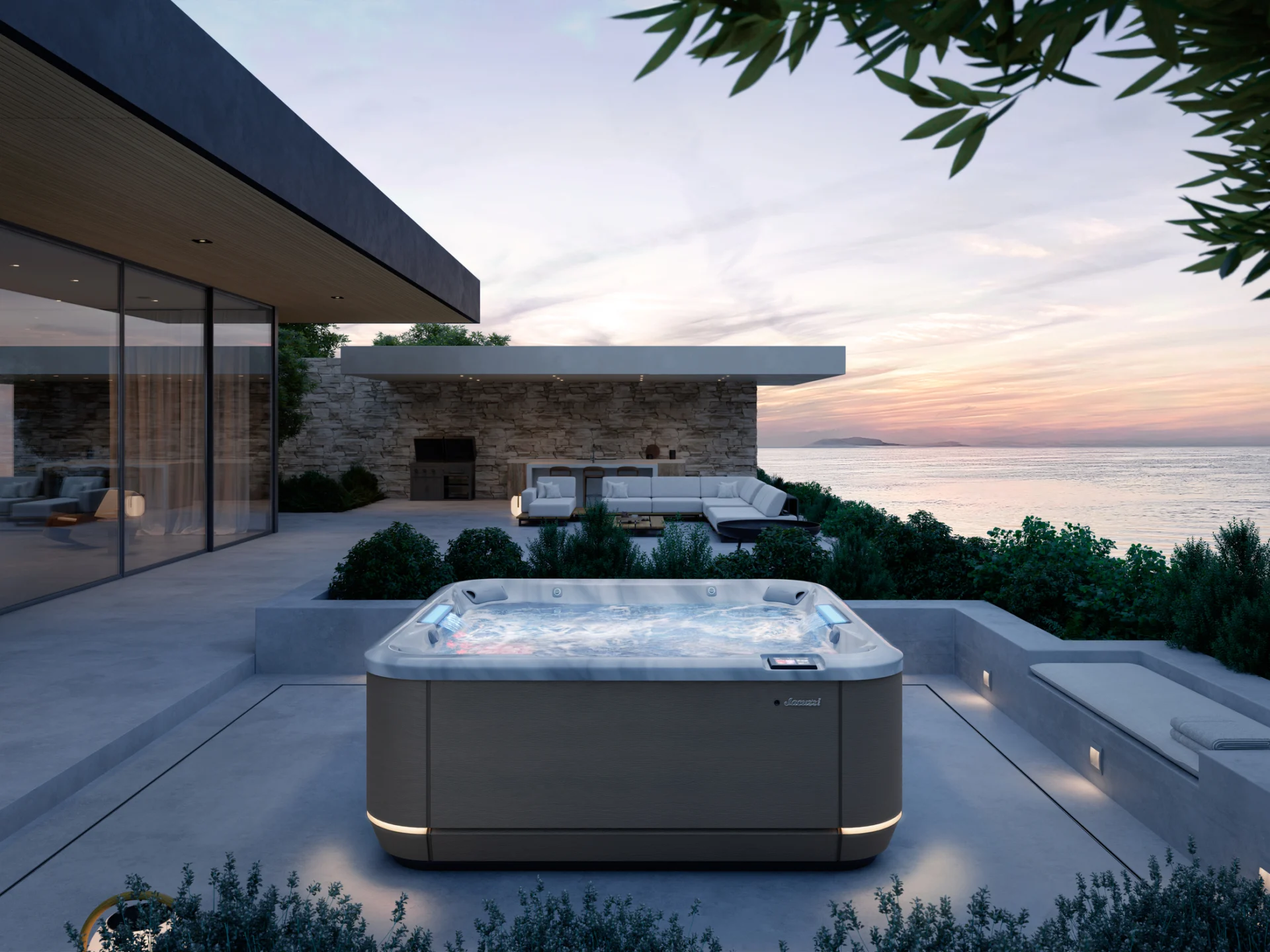
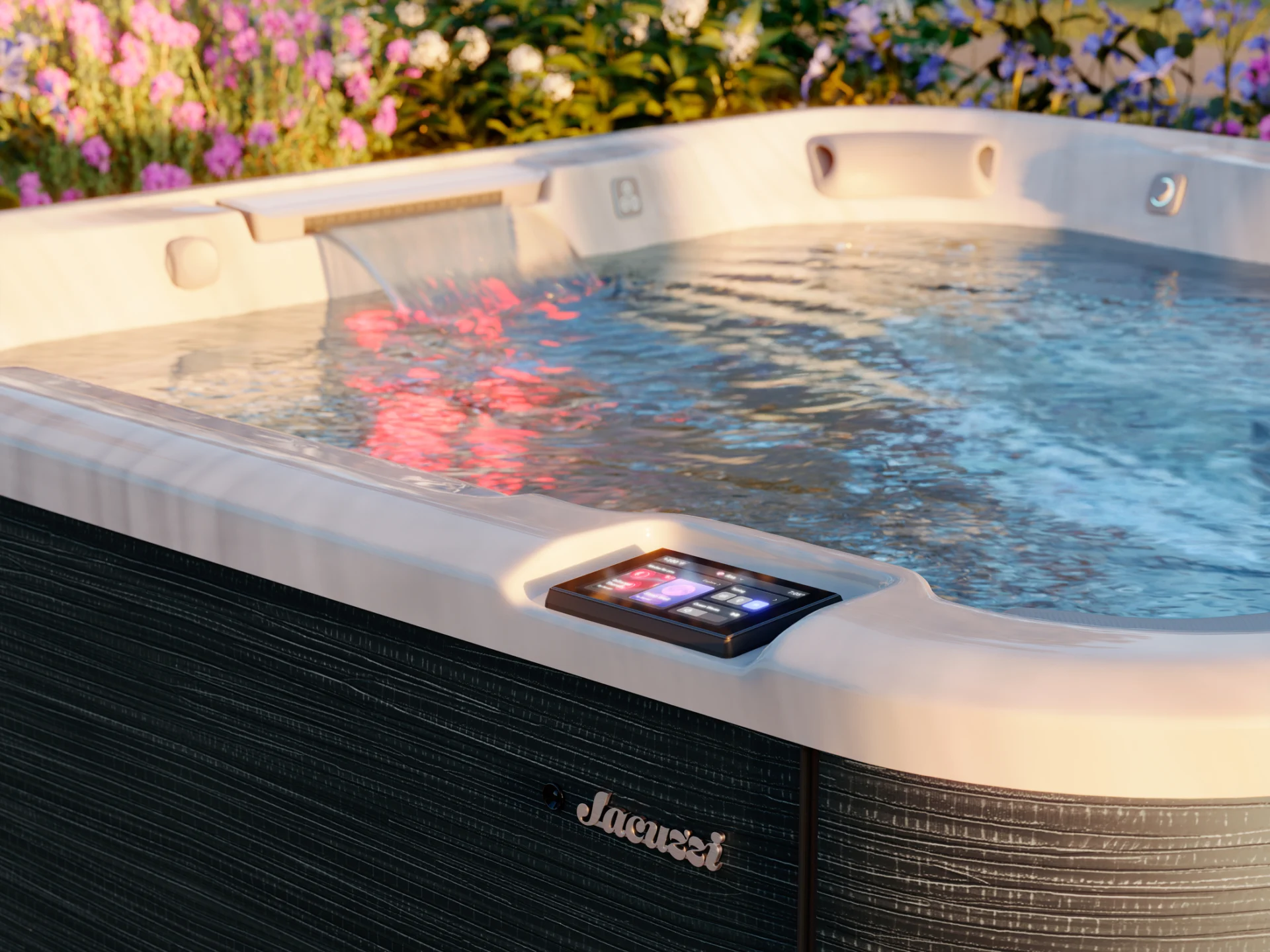
Hot tubs are the most popular luxury outdoor wellness feature for a reason. They offer hydrotherapy through pressurized jets, adjustable water temperature, and seating for multiple users. They’re social, therapeutic, and genuinely enjoyable year-round. But installation involves more than placing the tub and filling it with water. Hot tub installation prep typically includes site assessment, electrical hookup (most require a dedicated 240V circuit), a reinforced pad or deck, and permits depending on your municipality.
Budgeting for a hot tub means accounting for not just the unit price but also electrical work, pad or deck reinforcement, delivery fees, potential crane rental, and permits. These installation costs can add several thousand dollars to the total project price, so factor them in from the start.
Saunas deliver a different kind of wellness benefit: dry heat that promotes sweating, cardiovascular circulation, and deep muscle relaxation. Outdoor barrel saunas and indoor prefab units have both grown dramatically in popularity. However, they are not as simple to install as they might look. As one expert caution notes, you should not treat a sauna like a generic outdoor appliance. Heater loads, moisture control systems, vapor barriers, ventilation, and GFCI-protected electrical layouts all need to be addressed correctly. Always confirm requirements with licensed contractors and local building inspectors before starting.
Important: Treating a sauna or hot tub as a plug-and-play appliance is one of the most common and costly mistakes homeowners make. Proper moisture control, correct electrical disconnect placement, and code-compliant installations protect both your investment and your safety.
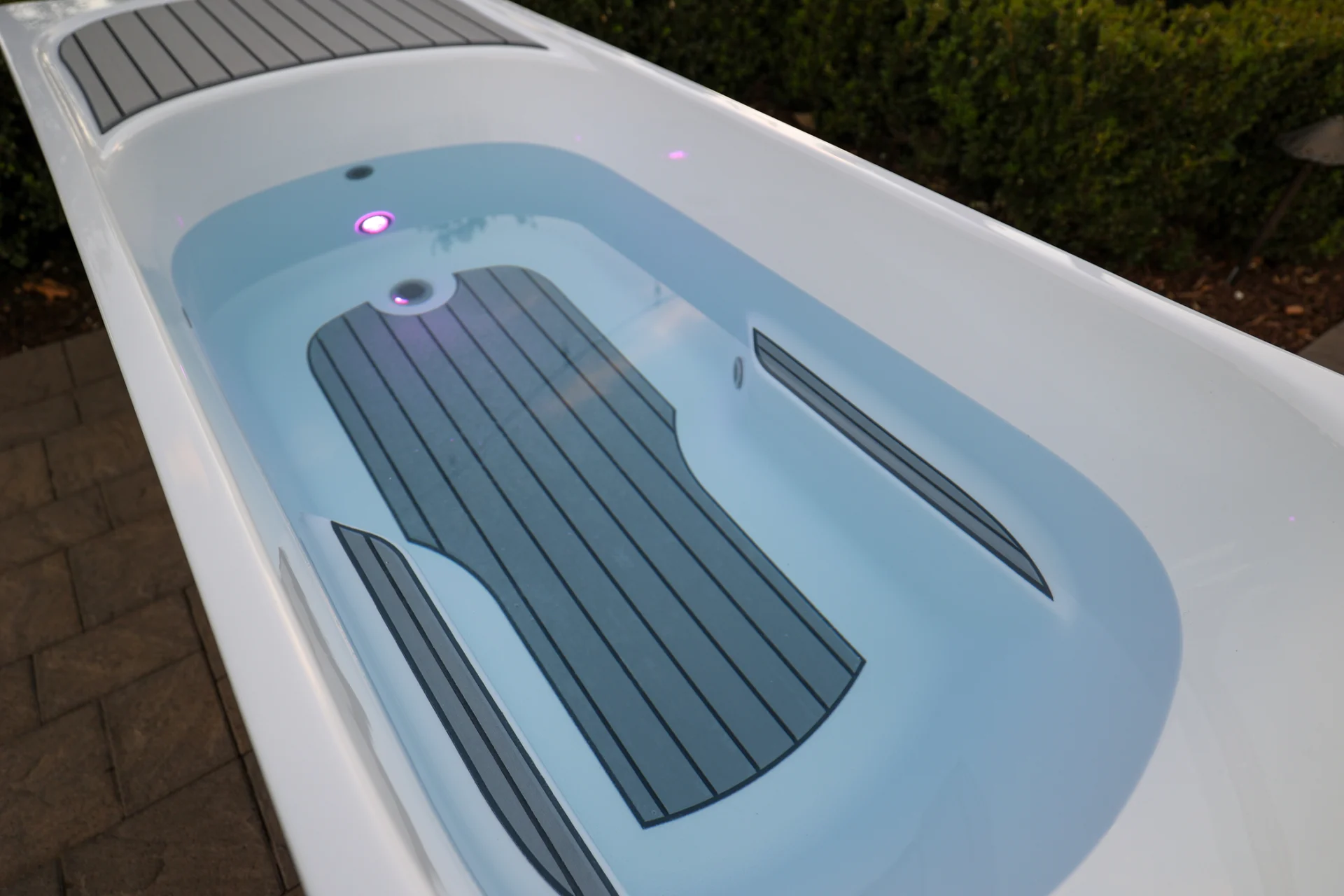
Swim spas are the most versatile option. They combine a resistance swimming current with hydrotherapy jets, giving you both a fitness tool and a recovery soak in one unit. They’re longer than hot tubs but far smaller than traditional pools, making them a realistic choice for mid-size backyards. Understanding hot tub running costs applies equally to swim spas, since both require heating, filtration, and chemical maintenance year-round.
Here’s a side-by-side look at the three main luxury options for your next home spa upgrade:
| Feature | Hot tub | Sauna | Swim spa |
|---|---|---|---|
| Primary benefit | Hydrotherapy and relaxation | Dry heat, detox, and circulation | Fitness swimming plus therapy |
| Typical cost range | $5,000 to $16,000+ | $3,000 to $10,000+ | $15,000 to $30,000+ |
| Space required | Small to medium | Small to medium | Medium to large |
| Electrical needs | 240V dedicated circuit | 240V dedicated circuit | 240V dedicated circuit |
| Installation complexity | Moderate | Moderate to high | Moderate to high |
| Maintenance level | Weekly water care | Low (clean and inspect) | Weekly water care |
| Year-round use | Yes | Yes | Yes |
Each option has a strong use case. The right home spa upgrade depends entirely on how you plan to spend your time in it.
Luxury upgrades comparison: Which home spa upgrade fits your lifestyle?
Now that you understand each option for a home spa upgrade individually, here’s a practical guide to matching the right feature to your specific situation.
| Lifestyle scenario | Best upgrade choice |
|---|---|
| Chronic pain or muscle tension recovery | Hot tub with deep therapy jets |
| Fitness-focused household | Swim spa with resistance current |
| Stress relief and daily wind-down | Hot tub or sensory upgrades plus hot tub |
| Social entertaining focus | Large hot tub or hot tub with seating deck |
| Cardiovascular wellness and detox | Outdoor sauna |
| Limited backyard space | Corner hot tub or sensory-only upgrades |
| Maximum budget flexibility | Layered sensory upgrades with future equipment |
As a contrasting point of view worth considering, some upgrades deliver a stronger wellness return through low-cost sensory changes rather than major water-based equipment. This shifts the investment question from capital expense to daily experiential satisfaction, which is a perfectly valid priority for many households.
Here is a ranked list of upgrades by impact-to-cost ratio to help you prioritize:
- Lighting overhaul — Highest sensory impact per dollar spent
- Scent and sound system — Fast mood transformation at minimal cost
- Hot tub — Best all-around investment for daily relaxation and therapy
- Sauna — Ideal for wellness-focused households wanting dry heat benefits
- Swim spa — Best for active households that want fitness plus recovery in one unit
- Texture and décor refresh — Low cost, high perceived quality shift
- Full outdoor spa zone — Multiple features combined for maximum lifestyle impact
Prepping for an upgrade properly — from site selection to contractor vetting — is what separates a smooth installation experience from a frustrating, over-budget project. Never skip the planning phase, no matter which option you choose.
Our take: The case for mixing small changes and luxury features
Here’s something most home spa upgrade guides won’t tell you: treating home spa improvements as an either/or decision is the biggest mistake you can make. It’s not “lighting vs. hot tub.” It’s “lighting and hot tub,” layered intentionally.
We’ve seen homeowners drop $15,000 on a premium swim spa and then feel vaguely disappointed because the area around it still feels like a backyard utility corner. No lighting. No scent. No warmth in the environment. The equipment is incredible, but the experience falls flat. On the flip side, we’ve seen homeowners transform a modest backyard patio into their favorite room in the house with smart lighting, a diffuser, plush towels, and a well-placed hot tub, all for a fraction of what a full pool renovation would cost.
The insight is this: the sensory environment amplifies the luxury equipment, and the equipment gives the sensory environment a focal point. Neither works as powerfully without the other.
Our honest recommendation is to spend roughly 25% of your total budget on everyday sensory enhancements like lighting, scent, and texture before or alongside any large equipment purchase. That portion of the budget delivers the most noticeable daily payoff, because you interact with those elements every time you step into the space, not just when you’re soaking or sweating.
Also watch out for two common pitfalls. First, loading up on high-tech features (chromotherapy, built-in sound systems, app-controlled jets) without covering the basics of physical comfort. Second, buying equipment sized for your aspirational self rather than your realistic self. A 7-person hot tub for a household of two usually means extra water, extra chemicals, and extra energy costs for a tub you only fill to one corner.
Choosing the right spa means being honest about your actual lifestyle, not the version you imagine having once the spa is installed. That honesty leads to far greater long-term satisfaction.
Bring your home spa vision to life
You’ve done the thinking. Now it’s time to take action and turn your outdoor space into the retreat you’ve been picturing.
At Lifestyle Outdoor, we carry a full range of premium hot tubs, swim spas, and saunas to suit every backyard size, wellness goal, and budget. Whether you’re looking to shop hot tubs for a daily hydrotherapy soak, shop swim spas for a fitness and recovery combo, or browse saunas to add dry heat wellness to your routine, our team is here to help you find the right fit. Visit one of our showrooms or reach out directly for personalized guidance on planning, installation, and everything in between. Your backyard oasis is closer than you think.
For more help or information while looking for the best home spa upgrade, contact our team of experts at Lifestyle Outdoor today.
Frequently asked questions
What is the most cost-effective way to create a spa feel at home?
A sensory home spa upgrade, such as dimmable lighting and scent layering, offers the largest wellness boost for the lowest cost, requiring no structural work and delivering an immediate mood shift.
What extra costs come with outdoor hot tub installation?
Beyond the purchase price, hot tub installation budgets must include electrical work, a reinforced pad or deck, permit fees, and potential delivery or crane charges.
Are saunas and hot tubs safe for DIY installation?
Professional installation is strongly recommended because heater loads, moisture control, and GFCI-protected electrical layouts all require licensed tradespeople and local code compliance to be done safely.
How can I choose the best home spa upgrade for my small backyard?
For smaller spaces, consider a compact corner hot tub or prioritize sensory upgrades such as lighting and aromatherapy to create a strong spa feel without consuming much square footage. Even with a smaller backyard space, the right home spa upgrade can truly make all the difference.