Most people assume hot tubs are a splurge item reserved for vacation resorts or lottery winners. That assumption is why so many homeowners miss out on something genuinely useful. The real reasons why homeowners install hot tubs go well beyond aesthetics or status. Modern hot tubs deliver measurable wellness benefits, improve sleep, create social spaces that your living room simply cannot replicate, and add functional value to your home life in ways that compound over time. This article breaks down exactly what drives homeowners to make the investment, backed by research and real-world experience.
Table of Contents
- Key takeaways
- Why homeowners install hot tubs: wellness first
- Hot tubs and sleep quality
- Social and lifestyle benefits that change your home
- Practical installation and what to expect
- The advantages of owning a hot tub add up
- My honest take on hot tub ownership
- Find your perfect hot tub at Lifestyleoutdoor
- FAQ
Key takeaways
| Point | Details |
|---|---|
| Wellness benefits are real | Hydrotherapy reduces muscle tension, joint pain, and daily stress with regular use. |
| Sleep quality improves measurably | A short soak before bed can help you fall asleep faster and sleep more deeply. |
| Hot tubs redefine your social space | A well-placed hot tub becomes the gathering spot your outdoor area has been missing. |
| Installation is more accessible than expected | Plug-and-play models can be up and running the same day, without an electrician. |
| Configuration matters more than jet count | Jet placement and adjustability determine therapeutic quality, not the number of jets. |
Why homeowners install hot tubs: wellness first
Ask any hot tub owner why they bought one, and most will say some version of the same thing: their body needed it. That answer is more grounded in science than it sounds.
Warm water immersion activates hydrotherapy, a practice with deep roots in physical therapy. The heat dilates blood vessels, improves circulation, and relaxes muscles that carry the tension of a long workday. For homeowners dealing with lower back pain, tight shoulders, or arthritis-related joint stiffness, this is not a luxury. It is relief that arrives on your schedule.
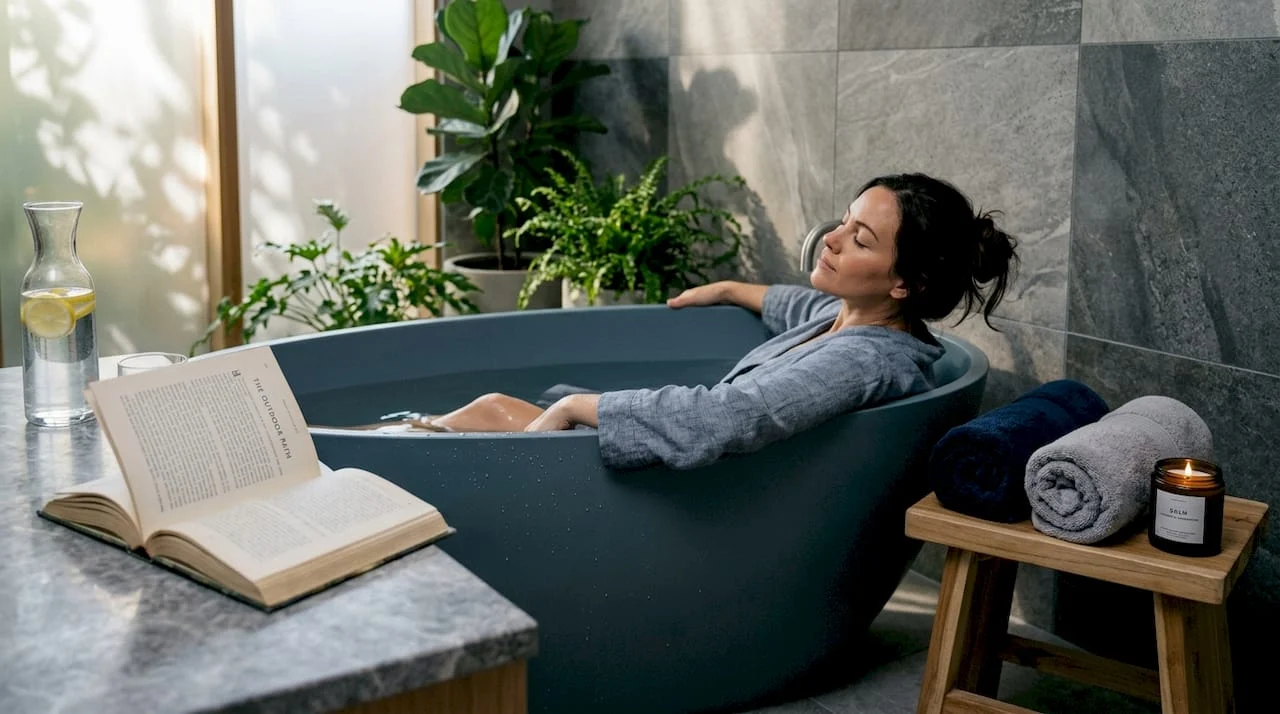
The benefits of hot tubs for homeowners extend into mental wellness territory, too. Regular soaks create a built-in decompression routine. You step in stressed and step out calmer. That shift in mood is not imaginary. Warm water stimulates the parasympathetic nervous system, pulling your body out of fight-or-flight mode and into genuine rest.
A few specific wellness advantages worth knowing:
- Muscle recovery: Hot water loosens tight muscles before or after exercise, reducing soreness and recovery time.
- Joint pain relief: Buoyancy takes pressure off joints, making movement in warm water feel easier for those with arthritis or chronic pain.
- Stress reduction: The combination of heat, water pressure, and sensory quiet creates a calming environment that reduces cortisol levels.
- Mood improvement: Regular warm water immersion has been linked to improved emotional regulation and reduced anxiety.
One thing that surprises new buyers is that jet placement matters more than raw jet count. A lounger seat with strategically placed jets targeting the lumbar spine and calves delivers far more therapeutic relief than a tub with twice as many poorly positioned jets. When you shop, focus on jet adjustability and placement, not the number printed in the brochure.
Pro Tip: If muscle or joint relief is your primary goal, look for tubs with dedicated lounger seating and adjustable jet pressure. Sit in the tub before you buy, if possible, to feel where the jets actually hit.
Hot tubs and sleep quality
This is where the research gets genuinely surprising. Most homeowners think of a hot tub soak as a relaxing nighttime ritual. What they do not realize is that the mechanism behind better sleep has nothing to do with relaxation alone. It is about body temperature.
When you soak in warm water and then get out, your body begins rapidly dissipating heat. That drop in core temperature mimics the natural cooling your body does as it prepares for sleep. The result is faster sleep onset and deeper, more restorative sleep cycles.
The National Sleep Foundation has identified warm bathing before bedtime as one of the most effective sleep-onset rituals available to adults, particularly older adults who often struggle with sleep fragmentation.
“Soaking in a hot tub before bedtime has been shown to improve both objective and subjective sleep quality, with participants falling asleep faster and experiencing improved heat dissipation.”
— National Sleep Foundation
The dosing guidance is specific: under 18 minutes at below 107°F is the sweet spot for sleep benefits. Push past that window and you may actually delay the cooling process your body needs, which can work against you. Hotter and longer does not equal better here.
This is one of the most underappreciated home hot tub installation reasons among new buyers. The sleep benefit alone can justify the investment for anyone who struggles with falling or staying asleep.
Pro Tip: Aim to finish your soak about 60 to 90 minutes before bed. That gap gives your body time to complete the cooling process and triggers the physiological signals your brain associates with sleep.
You can read more about timing and temperature guidance in Lifestyleoutdoor’s hot tub sleep guide, which walks through exactly how to structure your evening routine for the best results.
One important caution: oversoaking or using very high temperatures can diminish the sleep benefit entirely. Treat your pre-bed soak as a timed ritual, not an open-ended session. Set a timer. Keep the temperature dialed in. That small discipline makes a measurable difference.
Social and lifestyle benefits that change your home
Here is something most people do not think about when considering reasons to buy a hot tub: it creates an entirely new social environment in your home. Not just a seat or a room, but a destination.
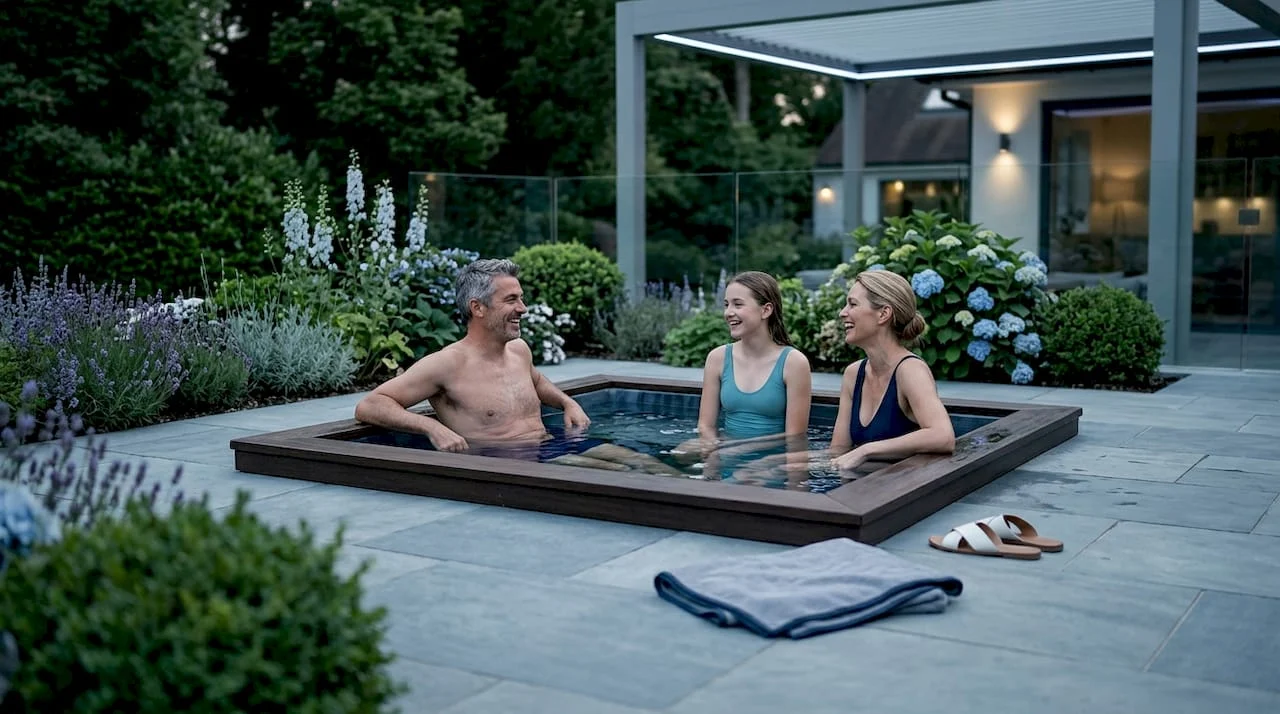
Think about how most evenings at home unfold. People end up on separate couches, on phones, half-watching something on TV. A hot tub changes that dynamic completely. It pulls people away from screens and into a shared space where conversation actually happens. Kids talk to parents. Couples reconnect. Guests linger longer than they would around a patio table.
The social and lifestyle advantages of owning a hot tub tend to compound over time:
- Family bonding time: Regular evening soaks create a natural, screen-free ritual that kids and adults both look forward to.
- Entertainment hosting: Larger hot tubs seating six to seven people are specifically favored by families who host gatherings, turning the backyard into a party-ready retreat.
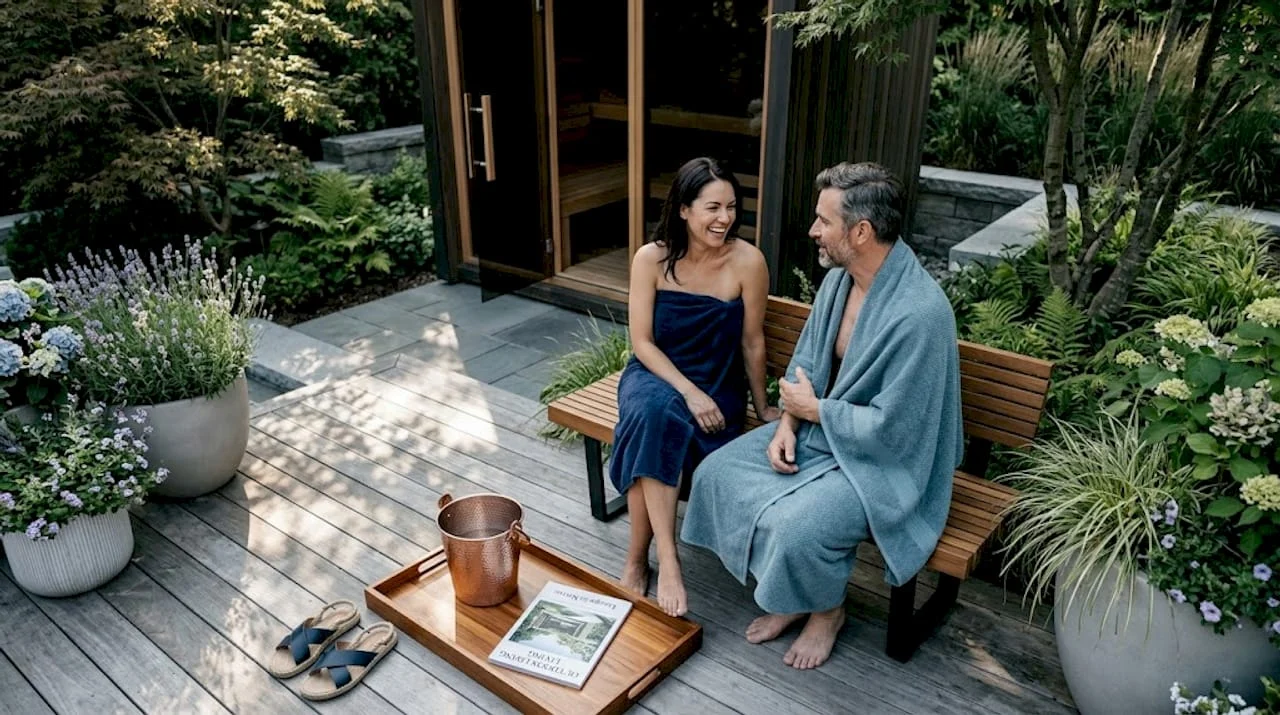
- Outdoor living enhancement: A hot tub anchors your outdoor space and gives it a purpose, transforming a basic patio into a backyard retreat people actually use.
- Year-round usability: Unlike a pool, a hot tub is enjoyable in cold weather, which means your outdoor space stays functional in every season.
Social usage patterns directly influence which tub size and features people choose. Families frequently upsize their purchase once they realize how central the tub becomes to their social calendar. Buying a two-person tub for a household that entertains regularly is one of the most common buyer regrets in this category.
If you are thinking about entertaining, Lifestyleoutdoor has a resource on hot tub party ideas worth exploring before you decide on size and features.
Practical installation and what to expect
One of the biggest barriers between homeowners and a hot tub is the assumption that installation is complicated, expensive, or disruptive. The reality is more flexible than most people expect.
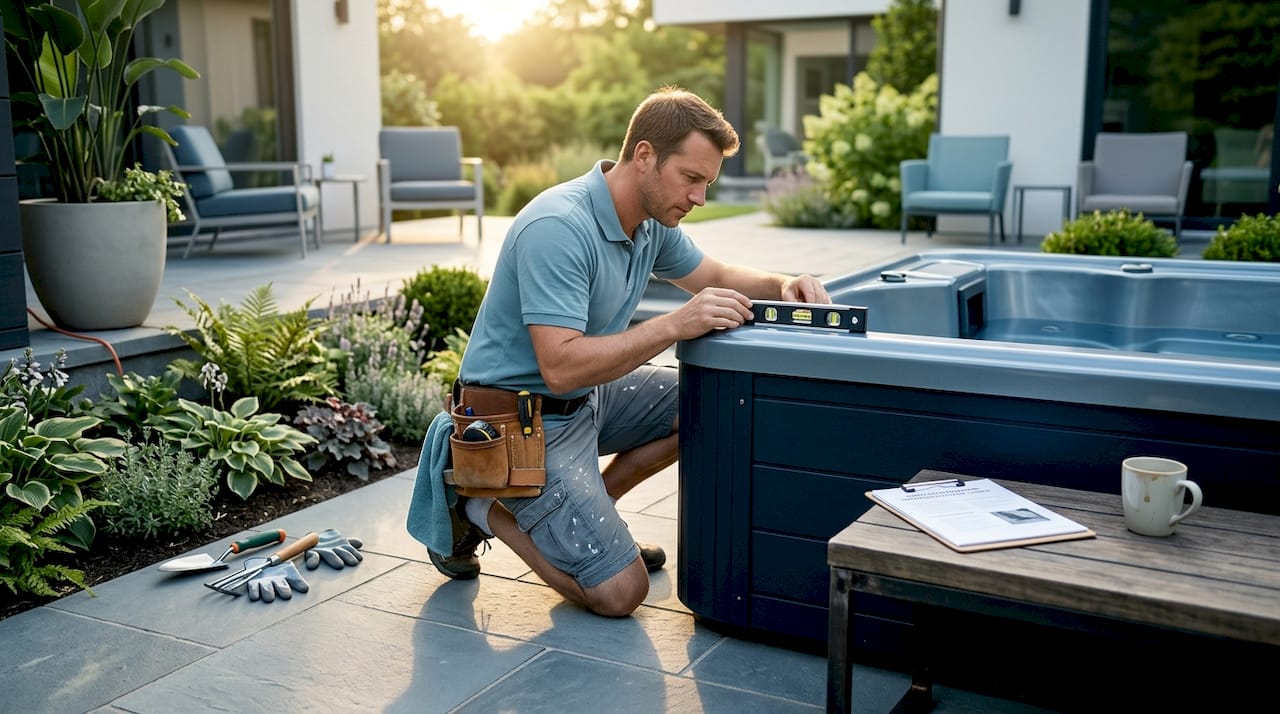
There are two primary electrical setups to understand:
| Feature | Plug-and-play (110V) | Hardwired (240V) |
|---|---|---|
| Installation complexity | Low, no electrician needed | Requires licensed electrician |
| Setup time | Same day | Several days with permitting |
| Jet power | Moderate | Stronger, more therapeutic |
| Heating speed | Slower | Faster |
| Insulation quality | Basic | Better for year-round use |
| Best for | Rental properties, trial use | Permanent home installation |
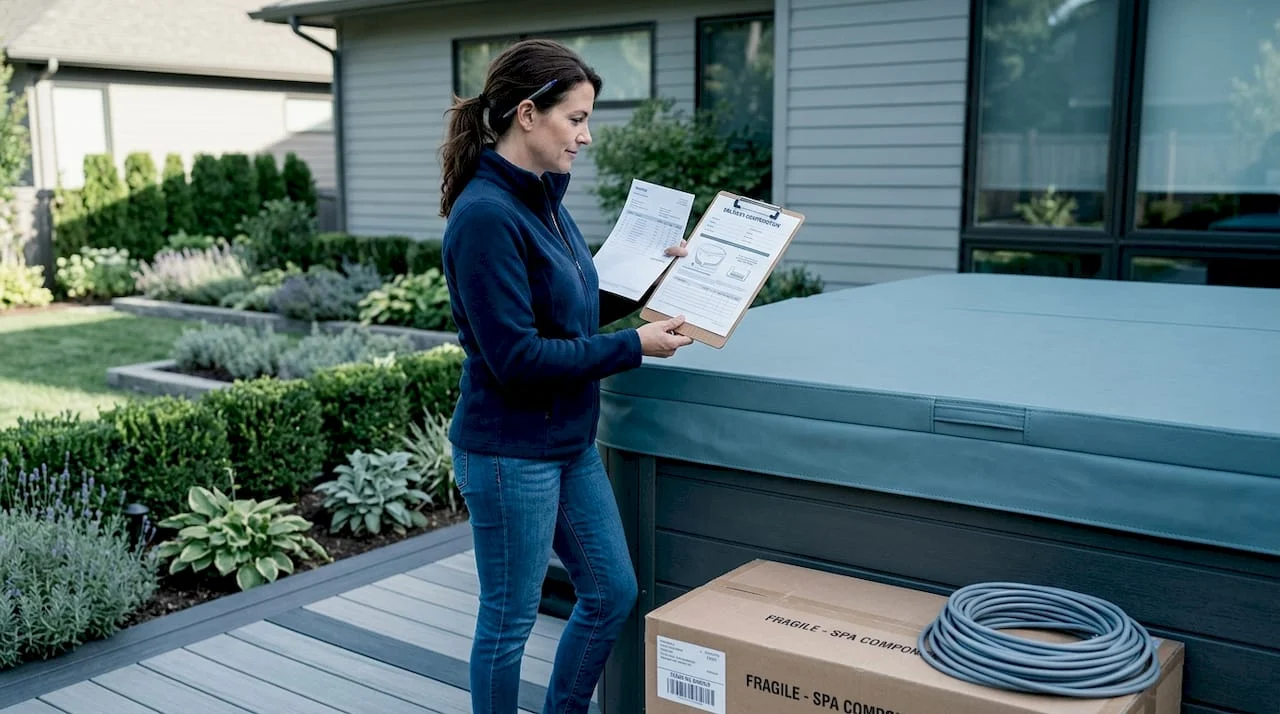
Plug-and-play models are genuinely accessible. You place the tub, connect it to a standard outdoor outlet, and you are in the water that same day. The trade-off is lower jet power and slower heating. For a permanent installation you plan to use daily, a hardwired 240V setup with a licensed electrician delivers a far better long-term experience.
Insulation quality is another factor that catches buyers off guard after purchase. The R-value of a hot tub’s insulation directly affects how much energy it uses to hold temperature. A tub with poor insulation in a cold climate will cost significantly more to run each month. Check the R-value before you buy, especially if you live somewhere with cold winters.
Placement matters, too. Outdoor placement is most common, but your local climate, wind exposure, and sun position all affect comfort and energy use. Heating method, insulation, and ambient climate should all factor into your selection. For a detailed walkthrough of what installation actually involves, Lifestyleoutdoor’s step-by-step installation guide covers electrical, surface preparation, and placement decisions in plain language.
Pro Tip: Before you order a hot tub, confirm your outdoor surface can handle the weight when filled. A standard six-person tub filled with water weighs well over 4,000 pounds. Reinforced decking or a concrete pad is often required.
The advantages of owning a hot tub add up
When you map out the full picture, the advantages of owning a hot tub reach further than most homeowners anticipate before purchase. You get a dedicated wellness tool that addresses stress, muscle tension, and sleep quality. You gain a social space that changes how your household and guests interact with your home. And you get a practical outdoor feature that stays usable across all four seasons.
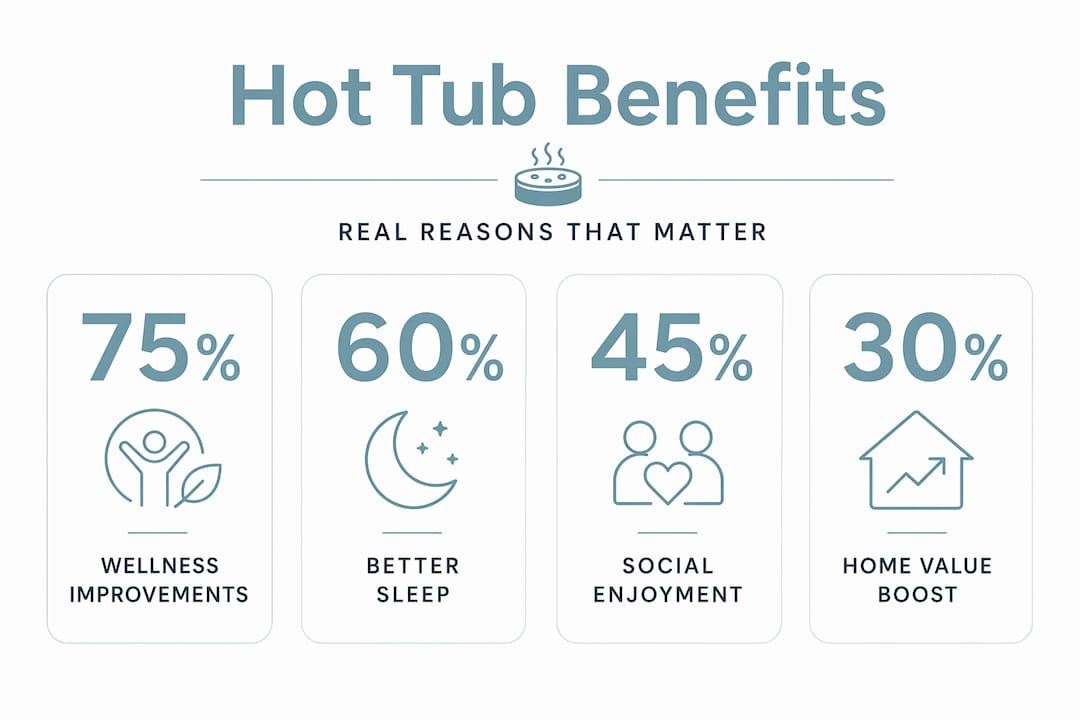
The reasons homeowners install hot tubs are rarely just one thing. More often, it is the convergence of several needs landing at the same time: a bad back, disrupted sleep, a desire to spend more quality time with family, and a backyard that has never quite lived up to its potential. A hot tub addresses all of those at once, which is why owners consistently report that the investment felt more worthwhile than they expected. For a broader overview, Lifestyleoutdoor’s post on owning a hot tub covers six core benefits in detail.
My honest take on hot tub ownership
I’ve spent years talking with homeowners at every stage of this decision, and what I’ve noticed consistently is that people underestimate how much the daily routine changes. They think about the “big moments” — the holiday gatherings, the Saturday-night soaks. What they don’t anticipate is the Tuesday-at-10pm soak that becomes the best part of a difficult week.
In my experience, the homeowners who get the most value are not the ones who use the tub for grand occasions. They are the ones who treat it as a standing appointment with themselves. Twenty minutes before bed, a few times a week. That consistency is where the sleep improvements and stress relief actually show up.
What I’d push back on is the idea that a hot tub needs to be justified by one standout benefit. The real case for installation is cumulative. Wellness plus sleep plus social connection plus year-round outdoor use adds up to something that reshapes your relationship with your home. That is harder to put in a brochure, but it is exactly what I hear from owners who have had theirs for a few years.
My practical advice: do not buy the smallest model you think you need. People almost always wish they had sized up.
— Philipp
Find your perfect hot tub at Lifestyleoutdoor
If the benefits covered here resonate with you, the next step is finding the right tub for your space, budget, and lifestyle goals.

Lifestyleoutdoor carries a curated selection of premium hot tubs from trusted brands including Jacuzzi®, Caldera®, Hot Spring®, and Fantasy Spas®. Whether you are looking for a compact two-person model or a seven-seat entertainer’s tub, the lineup covers a wide range of sizes, jet configurations, and price points. Expert staff are available at Lifestyleoutdoor showrooms to walk you through options, discuss installation requirements, and help you find a model that fits your home. Browse the full hot tub catalog to see current models, features, and financing options available now.
FAQ
Why do homeowners install hot tubs?
Homeowners install hot tubs for a combination of wellness, sleep, and social reasons. The most common motivations include muscle and joint pain relief, improved sleep quality, stress reduction, and creating a dedicated outdoor gathering space for family and guests.
Do hot tubs improve sleep quality?
Yes. Research from the National Sleep Foundation shows that soaking before bedtime for under 18 minutes at below 107°F accelerates sleep onset by triggering the body’s natural cooling process after you exit the water.
Do hot tubs increase home value?
Hot tubs can increase perceived home value and buyer appeal, particularly when they are permanently installed and well-maintained. Their impact varies by market, but they consistently enhance the functionality and attractiveness of outdoor living spaces.
What is the difference between plug-and-play and hardwired hot tubs?
Plug-and-play tubs run on standard 110V outlets and require no electrician, making them easy to set up quickly. Hardwired 240V models require professional installation but deliver stronger jets, faster heating, and better insulation for long-term daily use.
How many jets does a good hot tub need?
Jet count is less important than placement and adjustability. A tub with fewer, well-positioned jets targeting the back, neck, and legs will outperform a higher-count tub with poorly configured jets in terms of real therapeutic benefit.