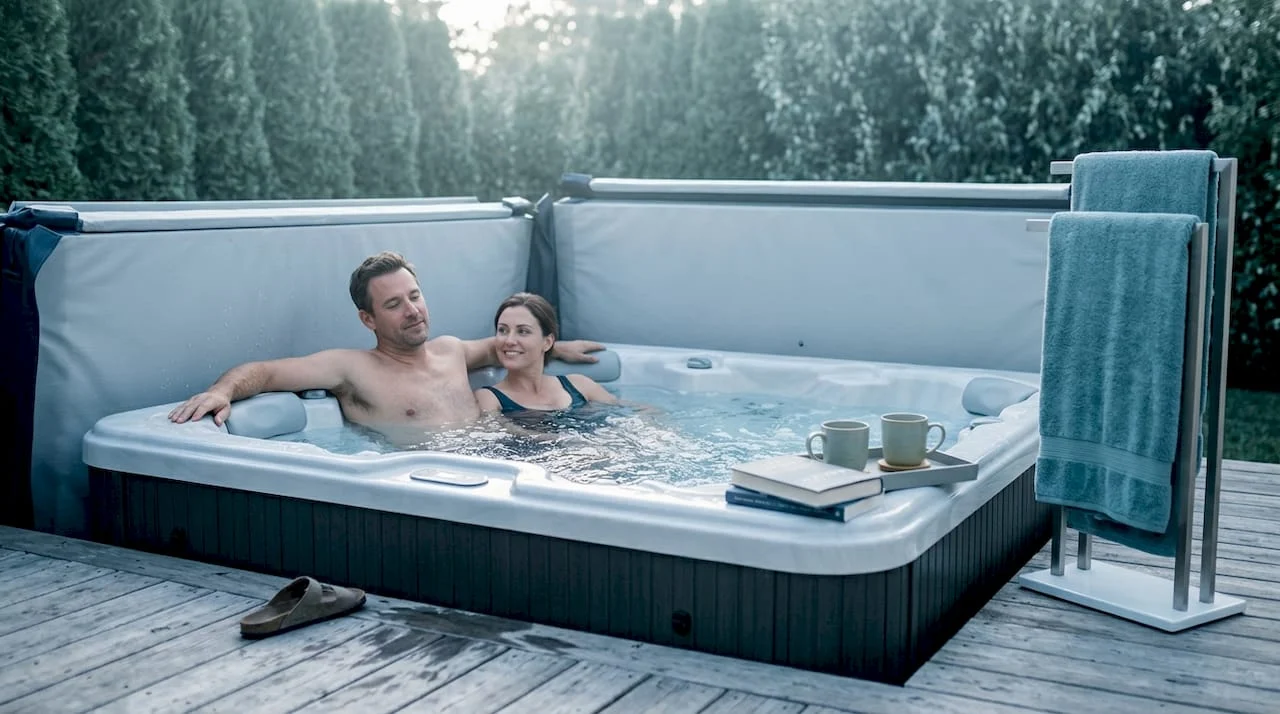
A swim spa sitting in your backyard is not just a luxury upgrade. It’s a wellness solution that quietly challenges everything you thought you knew about home fitness and relaxation. Most homeowners assume swim spas are simply oversized hot tubs or shrunken swimming pools, but that assumption misses the point entirely. In this guide, you’ll learn exactly what a swim spa is, how it stacks up against pools and traditional hot tubs, and why it might be the single smartest addition to your home wellness setup.
Table of Contents
- What is a swim spa? Defining the hybrid backyard wellness hub
- Swim spa vs. pool vs. hot tub: Key differences at a glance
- Top swim spa benefits: Wellness, convenience, and fun
- What should homeowners consider before buying a swim spa?
- Why swim spas succeed where other backyard upgrades fall short
- Ready to elevate your backyard with a swim spa?
- Frequently asked questions
Key Takeaways
| Point | Details |
|---|---|
| Hybrid wellness solution | Swim spas combine pool and hot tub features to provide exercise, relaxation, and hydrotherapy in one compact unit. |
| Space and efficiency | A swim spa fits in smaller yards and uses less energy than traditional pools. |
| Versatile year-round use | Enjoy swimming, therapy, and family fun in any season thanks to advanced temperature control. |
| Know your regulations | Always check local codes and HOA rules, as requirements may differ from pools or hot tubs. |
| Informed buying | Understand installation, maintenance, and what to avoid to find the right swim spa for your home. |
What is a swim spa? Defining the hybrid backyard wellness hub
A swim spa is a self-contained water unit that blends the exercise capability of a lap pool with the hydrotherapy comfort of a hot tub. Think of it as two experiences in one shell. Most swim spas range from about 12 to 19 feet in length, making them far more compact than a full-sized pool, yet spacious enough to swim, stretch, and soak.
The defining feature is the swim current, a powerful jet system that generates a continuous stream of water strong enough to swim against. You swim in place, like a treadmill for the water. This means you get a genuine cardiovascular workout without needing a 40-foot pool in your backyard.
Here’s a quick look at the core components you’ll find in most swim spas:
- Swim jets or propulsion system: Creates the adjustable current for swimming and resistance training
- Hydrotherapy jets: Targeted massage jets for muscle recovery and relaxation
- Temperature control: Most models allow you to heat the water between 80°F and 104°F
- Seating area: A dedicated section for soaking, often with contoured seats
- Insulated shell and cover: Keeps heat in and energy costs down year-round
- Filtration and sanitation system: Keeps water clean with minimal effort
The swim spa benefits go well beyond fitness. These units serve as a private retreat, a low-impact therapy tool, and a gathering spot for the whole family. When you’re considering which model fits your lifestyle, choosing Endless Pools swim spas offers an excellent starting point for understanding quality and performance standards.
Pro Tip: Before you buy or install, check with your homeowners association and local building department. As local regulations note, HOA rules may treat a swim spa differently than a pool or hot tub, and permit requirements can vary significantly by city or county.
Now that we’ve introduced the swim spa, let’s clarify exactly what sets it apart from the other popular backyard options.
Swim spa vs. pool vs. hot tub: Key differences at a glance
Now that you know how swim spas are defined, let’s compare them directly with traditional pools and hot tubs so you can see which best fits your lifestyle.
Here’s a side-by-side comparison to make the decision clearer:
| Feature | Swim Spa | In-Ground Pool | Hot Tub |
|---|---|---|---|
| Average size | 12 to 19 feet | 30 to 50+ feet | 5 to 8 feet |
| Installation time | Days to weeks | Weeks to months | 1 to 2 days |
| Year-round use | Yes | Limited (climate-dependent) | Yes |
| Exercise capability | Yes (swim current) | Yes (lap swimming) | No |
| Hydrotherapy jets | Yes | No | Yes |
| Average cost | $15,000 to $30,000+ | $35,000 to $100,000+ | $5,000 to $18,000 |
| Ongoing maintenance | Low to moderate | High | Low |
| Space required | Minimal | Large yard | Small deck space |
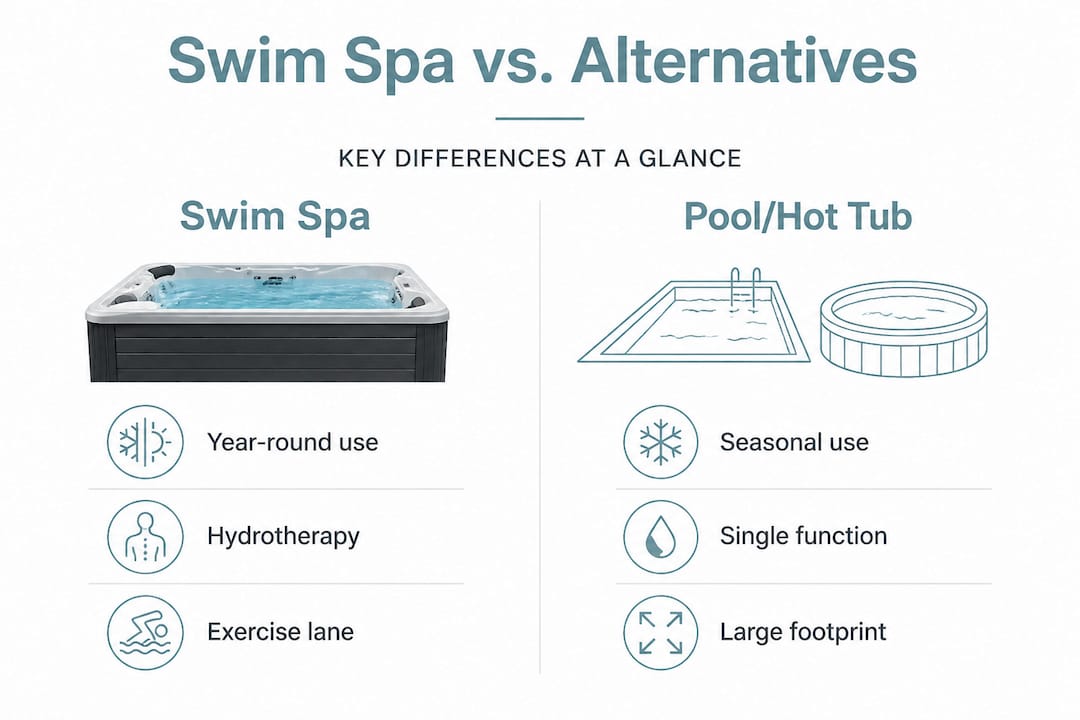
The numbers tell a clear story. Swim spas sit in a powerful middle ground. They cost significantly less than in-ground pools and demand far less yard space, while still offering the exercise current a hot tub simply cannot provide.
Common reasons homeowners choose each option:
- In-ground pool: Large family gatherings, competitive swimming training, traditional entertaining
- Hot tub: Pure relaxation and hydrotherapy, minimal space commitment, lower upfront cost
- Swim spa: Year-round wellness, fitness and relaxation combined, space efficiency, privacy
For homeowners who are still choosing between swim spas and hot tubs, the key question is whether exercise capability matters to you. If you want hydrotherapy alone, a hot tub may be enough. If you want both a workout and a soak, the swim spa wins every time. You might also want to explore hot tubs vs sauna benefits if you’re considering a broader wellness setup for your home.
One often overlooked point: local regulations may classify a swim spa as neither a pool nor a hot tub, which can affect fencing requirements, permits, and HOA approvals. This distinction matters before you commit to any purchase.
Top swim spa benefits: Wellness, convenience, and fun
Understanding what makes a swim spa unique, it’s time to explore the real-world benefits these systems offer for your home and well-being.
Hydrotherapy and muscle recovery are among the most compelling reasons people invest in a swim spa. The combination of warm water and targeted jets reduces joint stress, eases muscle soreness, and can help manage chronic conditions like arthritis and lower back pain. Unlike a gym or a physical therapy clinic, your swim spa is ready the moment you step outside.
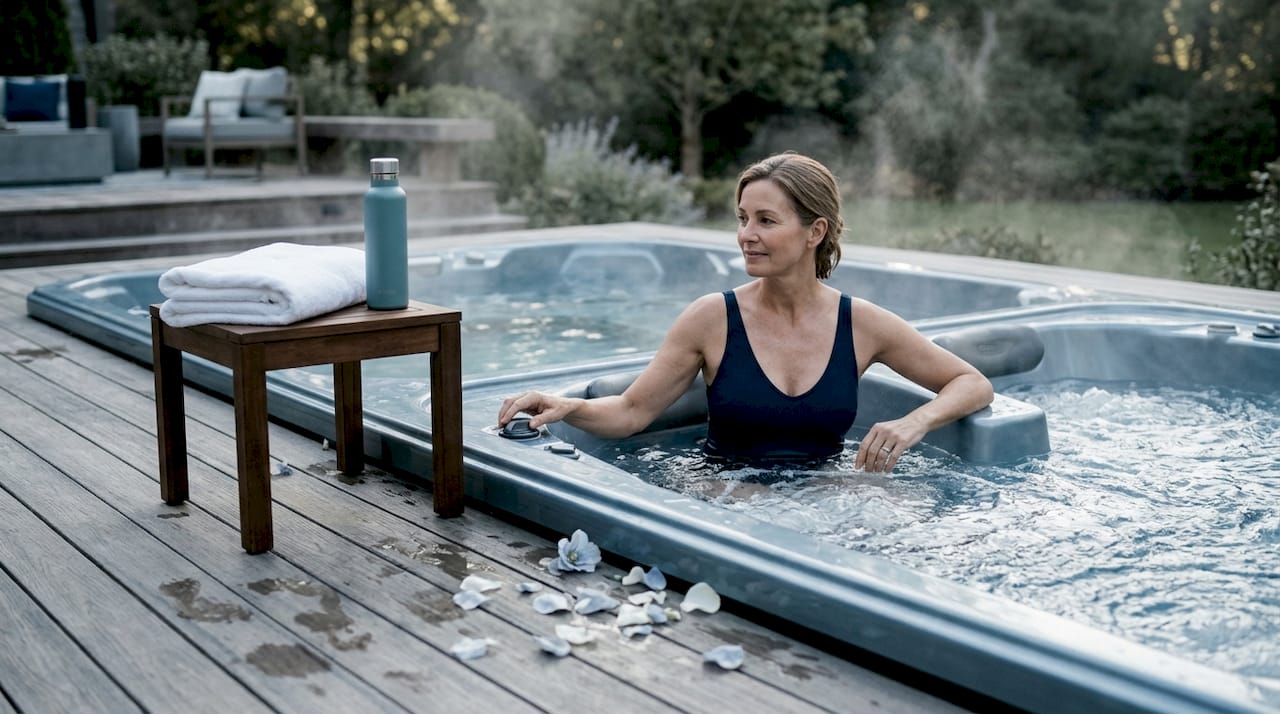
Fitness versatility is another major advantage. You’re not limited to swimming laps. Explore the best swim spa exercises and you’ll find options including water jogging, resistance band training, yoga stretching, and core workouts. Many homeowners also enjoy swim spa exercises specifically designed to build strength and improve cardiovascular health. Water provides up to 12 times more resistance than air, making even gentle movements genuinely effective.
Here’s a summary of the key benefits swim spa owners experience:
- Low-impact cardiovascular fitness with adjustable current resistance
- Hydrotherapy relief for sore muscles, joints, and stress
- Year-round use regardless of weather or season
- Family enjoyment with plenty of space for kids and adults
- Privacy compared to public pools or community gyms
- Mental wellness through regular water-based relaxation
- Improved sleep quality linked to regular warm water soaking before bed
Swim spas are used by a growing number of people for physical rehabilitation and low-impact exercise, because water reduces the effective weight on joints by up to 90% when submerged to the chest.
This makes swim spas particularly valuable for older adults, people recovering from injury, and anyone dealing with mobility limitations. It’s not just a luxury, it’s a functional wellness tool.
Family fun shouldn’t be underestimated either. A swim spa gives children a safe, enclosed space to splash and play, while adults can use the same water for an evening soak or morning workout. The dual-purpose design means the whole family gets something out of the investment.
Pro Tip: To get the most out of your swim spa, schedule your fitness sessions in the morning using the swim current, then dial down the jets and raise the temperature slightly for an evening relaxation soak. This way, you’re fully using both functions of the unit and reinforcing a consistent wellness routine.
Convenience and privacy also stand out. You eliminate the commute to a gym, the crowds at a public pool, and the seasonal limitations of an outdoor pool. Your swim spa is on your schedule, in your backyard, ready whenever you are.
Local rules may affect how and where you can install your swim spa, so factor that into your planning early. Knowing your local codes ahead of time saves time and prevents costly surprises.
What should homeowners consider before buying a swim spa?
Now that you know the advantages, here’s what you need to consider before making your swim spa purchase.
Key factors to evaluate before buying:
- Size and available space: Measure your yard or deck area carefully. Most swim spas need a clear, level surface with additional clearance on all sides for access and maintenance.
- Installation requirements: Consider whether you need a concrete pad, deck reinforcement, or crane access for delivery.
- Electrical setup: Most swim spas require a 240-volt dedicated circuit. Budget for electrician costs if your home needs an upgrade.
- Utility costs: Heating and running a swim spa adds to your monthly energy bill. Look for well-insulated models with energy-efficient pump systems.
- Budget: Factor in not just the purchase price but delivery, installation, accessories, and ongoing chemical and maintenance costs.
- Brand and warranty: Research brands carefully. Strong warranty coverage on the shell, jets, and mechanical components protects your investment for years.
Here’s a practical reference table to keep handy:
| Consideration | What to look for |
|---|---|
| Space | Minimum 12 x 12 ft level area |
| Electrical | 240V dedicated circuit, 50 to 60 amps |
| Foundation | Reinforced concrete pad or solid deck |
| Budget | Include installation, delivery, and accessories |
| Warranty | Shell lifetime, jets and equipment 2 to 5 years |
| Maintenance | Weekly chemical checks, monthly filter cleaning |
Avoiding common purchase errors is just as important as knowing what to look for. Review swim spa shopping mistakes that other homeowners have made so you can sidestep them entirely. And once your swim spa is installed, a solid maintenance guide for spas will help you protect your investment and keep the water clean and balanced.
Pro Tip: When meeting with a swim spa dealer or installer, ask these four questions: What is the total installation cost including electrical and foundation work? What is covered under warranty, and for how long? What is the estimated monthly operating cost for this model? Can I see the energy efficiency rating and insulation specs? These questions separate quality dealers from those who just want to close a sale.
One important reminder: as confirmed by industry guidance, HOA rules and local codes may treat your swim spa differently than a pool or hot tub. Some municipalities require fencing, specific setbacks from property lines, or electrical inspections. Confirm these requirements before signing any purchase agreement.
Why swim spas succeed where other backyard upgrades fall short
Here’s a perspective that most buyers don’t hear until after they’ve already made a decision.
Most homeowners who invest in a backyard upgrade are chasing a feeling. They want to feel relaxed, healthy, and connected to their home. The problem with in-ground pools is that they demand so much maintenance, seasonal preparation, and space that the initial excitement fades fast. The problem with hot tubs alone is that the fitness dimension is completely missing, so motivated buyers eventually feel like they’re not using their investment fully.
Swim spas quietly solve both problems. We’ve seen firsthand how homeowners who initially hesitated because swim spas seemed like a compromise end up being the most satisfied buyers. The “compromise” label is entirely wrong. A swim spa is not two things done halfway. It’s two experiences done well in one thoughtful package.
The year-round usability factor is genuinely underestimated. Most buyers imagine using their swim spa during warm months and then letting it sit. In practice, swim spa owners in cold climates often report using their units more in winter, not less. There’s something uniquely satisfying about stepping into warm, therapeutic water when it’s freezing outside. It becomes a daily ritual rather than an occasional indulgence.
The unexpected swim spa benefits that homeowners discover over time, like better sleep, reduced joint pain, and the mental reset that comes from a consistent water wellness routine, are often the ones they talk about most. These are not selling points. They’re lived experiences that accumulate quietly over months of use.
The most important advice we can offer is this: don’t evaluate a swim spa based only on its feature list. Evaluate it based on how it will fit into your daily routine 18 months from now. That long-term lens changes everything about how you choose, install, and use one.
Ready to elevate your backyard with a swim spa?
You’ve just covered everything from how swim spas work to what separates them from pools and hot tubs, and what to look for before buying. Now it’s time to take action.

At Lifestyle Outdoor, we specialize in helping homeowners find the right swim spa for their space, lifestyle, and wellness goals. Whether you’re looking to start a fitness routine, recover from daily stress, or simply create a backyard retreat the whole family will love, we have the expertise and the product lineup to make it happen. Start by exploring the full range of swim spa lifestyle benefits on our site, or get inspired with a complete guide to best swim spa exercises to picture how your daily routine could change. Visit our showroom or connect with our team today.
Frequently asked questions
How much space do I need for a swim spa?
Most swim spas require a space of at least 12 to 20 feet in length and a stable, level base for proper installation. Always add clearance on all sides for safe access and routine maintenance.
Are swim spas more energy efficient than pools?
Yes, swim spas are typically smaller and better insulated than pools, making them more energy efficient for year-round use. Their insulated covers and advanced shell designs help retain heat and reduce operating costs significantly.
Can I use a swim spa during winter?
Yes, most swim spas are designed for year-round use and maintain warm water temperatures even in cold climates. Many owners actually find winter to be one of the most enjoyable times to use theirs.
Do I need special permits or HOA approval for a swim spa?
Local codes and HOAs may treat swim spas differently from pools or hot tubs, so always confirm regulations before purchase or installation. Requirements can include fencing rules, electrical permits, and setback distances from property lines.
What types of exercises can I do in a swim spa?
You can swim, jog, use resistance jets, or practice water aerobics for a versatile fitness routine in most swim spas. The adjustable current lets you tailor the intensity to your fitness level, from gentle rehabilitation to serious cardio training.
Recommended
- Top 3 Swim Spa Exercises – Get Active in Your Home Spa
- 11 Best Swim Spa Benefits for an Improved Lifestyle in 2026
- 9 Best Swim Spa Exercises You Can Try Today
- Swim Spas For Sale – Best Endless Pools Deals in Los Angeles – Lifestyle Outdoor
- Why use saunas for wellness: Benefits and insights 2026 – Coldture Wellness