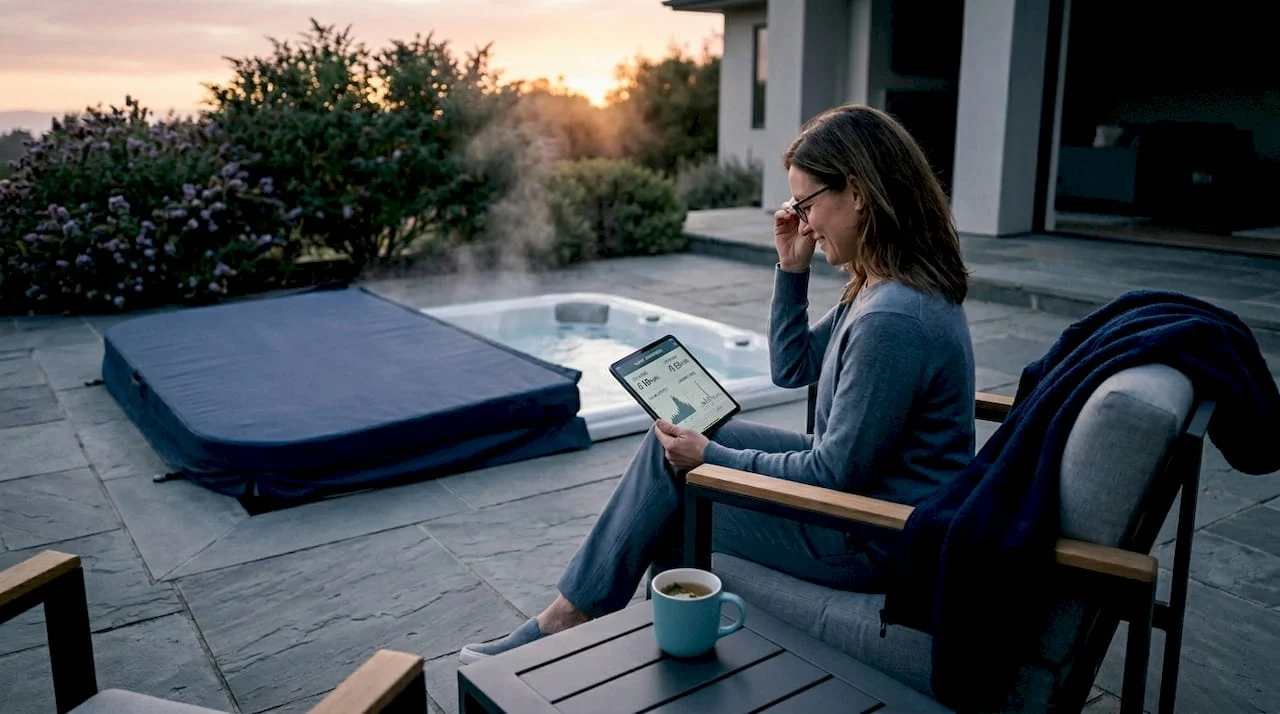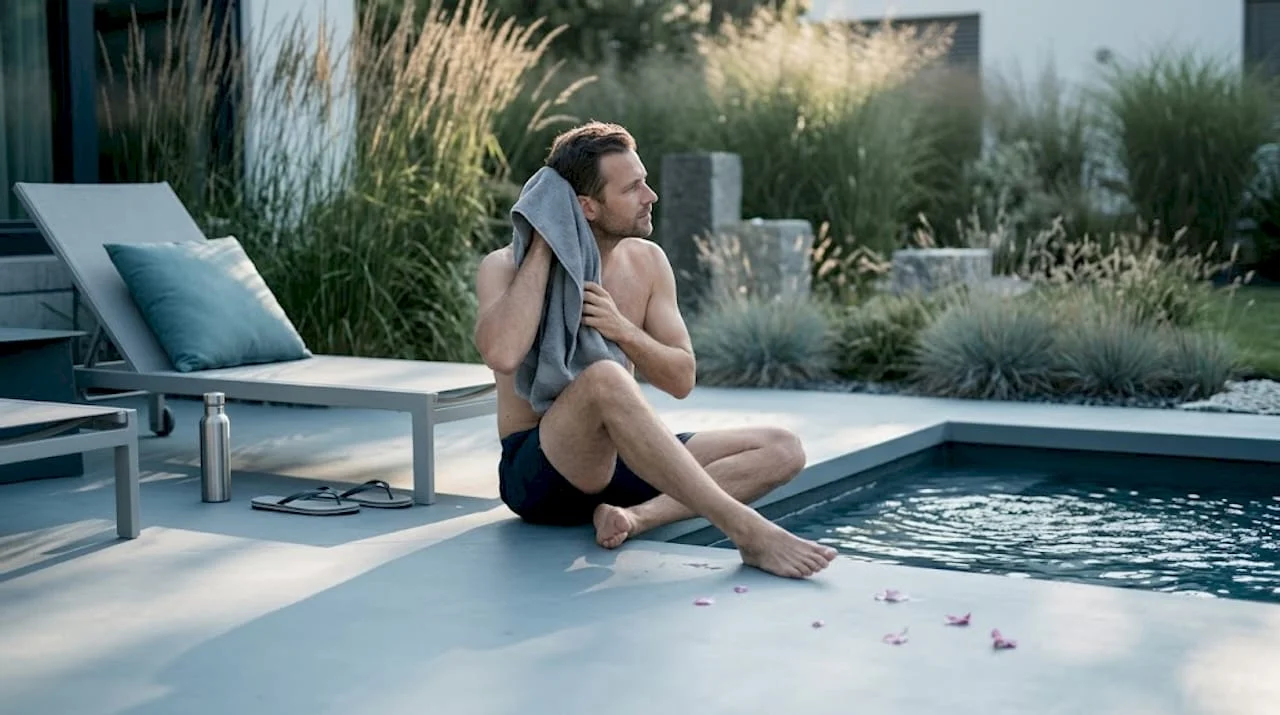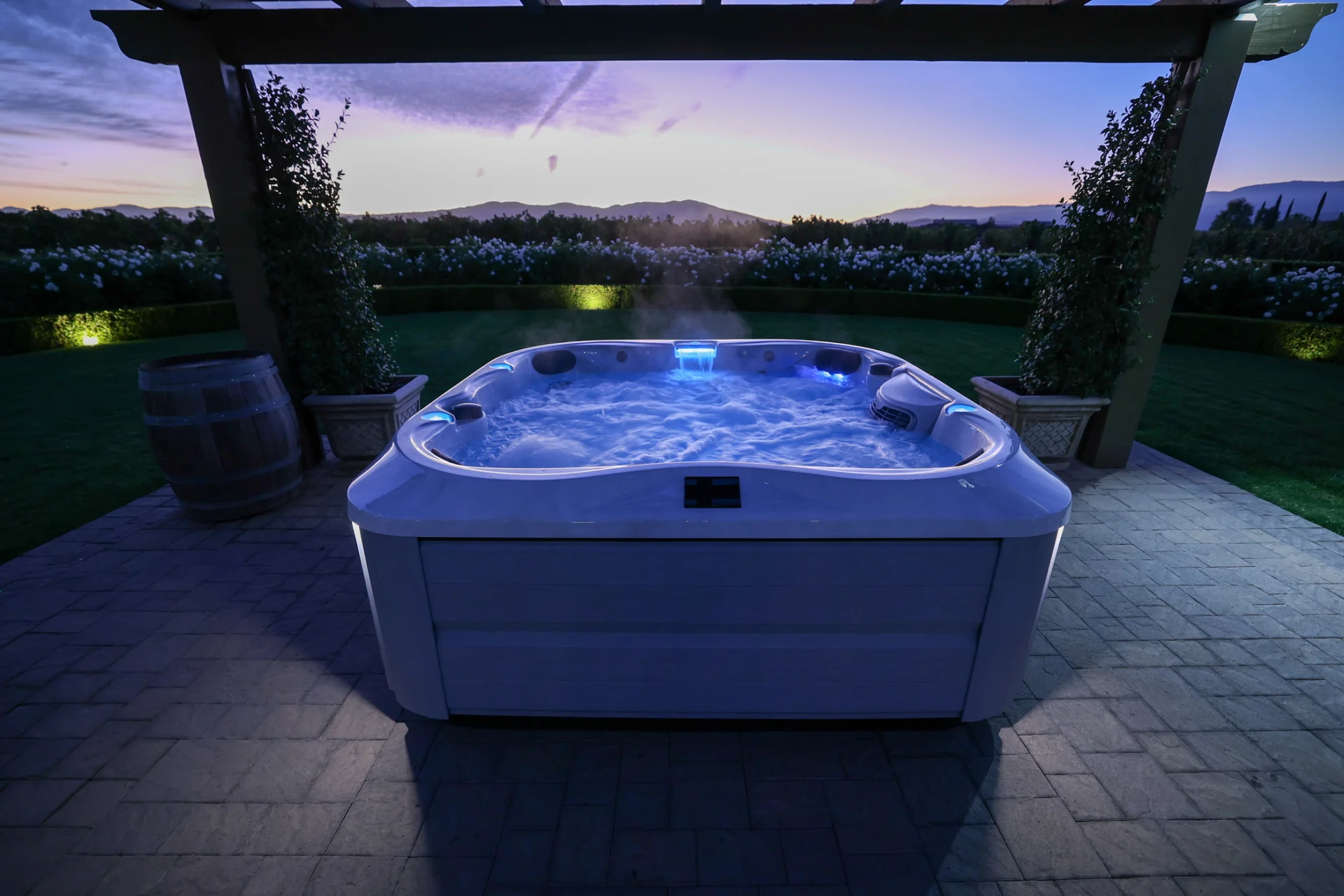
Most homeowners add furniture to their patio and wonder why it still feels like a leftover space. The difference between a backyard that looks expensive and one that actually feels luxurious comes down to intentional design. Think of it as outdoor interior design, where every layer from lighting to materials to movement flow has a purpose. These luxury outdoor living tips go beyond surface-level decorating. They help you build a space that works for daily rituals, evening entertaining, and every moment in between.
Table of Contents
- Key takeaways
- 1. Luxury outdoor living tips start with intentional design
- 2. Layered lighting for atmosphere and function
- 3. Premium outdoor furniture worth the investment
- 4. Smart pergola systems and shade structures
- 5. Fire features and heating options compared
- 6. Elegant outdoor decor and textural layers
- 7. Luxury alfresco dining setup essentials
- 8. Multi-zone planning for cohesive backyard flow
- My take on what truly makes outdoor spaces feel luxurious
- How Lifestyleoutdoor can complete your outdoor retreat
- FAQ
Key takeaways
| Point | Details |
|---|---|
| Design around daily rituals | Plan zones for morning coffee, afternoon reading, dining, and evening entertaining rather than decorating at random. |
| Layer light and warmth | Combine ambient, task, and accent lighting with targeted heat sources to extend usability well into the evening. |
| Invest in premium materials | Choose weather-resistant textiles, architectural stone, and treated hardwood that improve with age rather than degrade. |
| Plan multi-zone flow early | Unify pools, gardens, kitchens, and seating into one cohesive circulation plan before placing any single element. |
| Integrate technology at the start | Install AV, irrigation, and lighting controls during construction rather than retrofitting later for the best results. |
1. Luxury outdoor living tips start with intentional design
Luxury is defined more by how spaces are used daily than by expensive decor alone. Before you buy a single piece of furniture, ask yourself: what will I actually do out here, and when? A space built around your morning coffee ritual looks completely different from one designed for twilight dinner parties. The most successful high-end patio designs are built as a sequence of outdoor rooms, each with a specific purpose, proportion, and sensory atmosphere.
Start by mapping your day. Where does the sun hit at 8 a.m.? Where does shade fall by 3 p.m.? Which area catches the evening breeze? Once you understand your yard’s natural rhythms, you can design outdoor zones that match them. A shaded reading corner with a plush chair and side table serves a completely different function than an open dining terrace, and trying to force one space to do both usually means it does neither well.
A strong seating decision anchors every other choice. Pick your primary gathering spot first, then let the rest of the layout radiate from it.
2. Layered lighting for atmosphere and function
Lighting is the single most underestimated element in upscale garden living. Most homeowners stop at string lights and call it done. The designers who create genuinely stunning outdoor spaces use at least three lighting layers: ambient, task, and accent.
Layered lighting combining pendant statements over dining tables, ground LEDs along pathways, and cafe-style strings creates both function and atmosphere. Each layer serves a purpose. Ground LEDs define pathways and prevent tripping hazards. Pendant fixtures over an alfresco dining table create a sense of intimacy. Accent lighting draws the eye to a water feature or a specimen plant.
- Ambient lighting: Overhead fixtures, string lights, or wall-mounted sconces that create general illumination
- Task lighting: Focused light over cooking areas, reading spots, or dining surfaces
- Accent lighting: Uplights on trees, downlights on textured walls, or submerged pool lights for drama
Pro Tip: Install dimmers on every outdoor lighting circuit. The ability to shift from bright entertaining light to a warm, candlelit glow without changing fixtures is what separates truly polished spaces from ordinary ones.
Smart lighting controls tie the whole system together. You can set scenes for different times of day, adjust color temperature, and manage energy consumption from your phone. This is one upgrade that pays back in usability every single evening.
3. Premium outdoor furniture worth the investment
Premium outdoor furniture is not just about aesthetics. It is about choosing materials that improve or at least hold their quality over years of exposure to sun, rain, and temperature swings. Teak, powder-coated aluminum, and high-density polyethylene wicker are all proven performers. The mistake most people make is buying beautiful furniture that degrades after one season and ends up feeling like a loss rather than a luxury.
Weather-resistant fabrics with throw pillows, blankets, and outdoor rugs transform a patio from utilitarian to genuinely cozy. Solution-dyed acrylic fabrics like Sunbrella resist fading and mildew. An outdoor rug defines a seating zone the same way it would indoors and adds warmth underfoot.
For cooler climates or shoulder-season use, heated outdoor furniture changes the equation entirely. Products like Outmore Living’s heated loveseat offer five heat settings ranging from 85 to 120°F and up to 11 hours of battery-powered warmth. That kind of comfort extends your outdoor season by months, not just weeks.
4. Smart pergola systems and shade structures
A pergola is no longer just a wooden frame with climbing vines. Modern all-weather pergola systems function as outdoor rooms with adjustable roofs, integrated lighting, heating, and smart home connectivity. Hansø’s Horizon Gen5 pergola, for example, is rated for category 5 hurricane-force winds and features dual-color LED lighting with smart controls built directly into the structure.
The key insight here is that advanced pergola systems should be treated as architectural elements, not accessories. They define the ceiling of your outdoor room and anchor the spatial boundaries of your entertaining zone. When you choose a structure that integrates lighting, heating, and AV systems, you stop needing to retrofit those elements later, which always costs more and looks less polished.
Pro Tip: Plan electrical conduit and speaker rough-ins at the same time as your pergola or outdoor room structure. Adding them after the fact means tearing up hardscaping or running visible cables.
Louvered roof systems give you the most flexibility, letting you open to a clear sky on warm days and close to full weather protection when conditions change. For homeowners serious about year-round use, this is the single best structural investment you can make.
5. Fire features and heating options compared
Heat is what actually keeps people outdoors after sunset. The choice between fire features and dedicated heaters is not simply aesthetic. Each option offers different warmth coverage, conversation dynamics, and energy profiles.
| Option | Coverage Area | Ambiance | Energy Source | Best For |
|---|---|---|---|---|
| Fire pit table | 6–8 ft radius | Very high | Propane or gas | Central gathering focal point |
| Lounge heater | Targeted zone | High | Propane or electric | Seating areas without open flame |
| Ceiling-mounted heater | Overhead zone | Low | Electric | Covered patios and pergolas |
| Fire bowl/chiminea | 4–6 ft radius | Very high | Wood or propane | Casual corner accent |
Separating task lighting from accent lights and fire focal points balances visibility with comfort without washing out the ambiance. A fire feature should draw the eye and anchor the conversation zone. Overhead heat should disappear into the background.
Lava Heat Italia’s Bellagio Lounge heater illustrates what purpose-built luxury heating looks like. It delivers 46,000 BTU output with integrated LED ambiance lighting in a design that preserves sightlines across the seating area. You get warmth without a visual obstacle in the middle of your space.
6. Elegant outdoor decor and textural layers
Elegant outdoor decor works exactly the way great interior styling does: through the layering of textures, materials, and focal points. The spaces that feel genuinely sophisticated are not the ones with the most expensive individual pieces. They are the ones where every surface, from the stone underfoot to the cushion fabric to the planter material, feels deliberate.
Texture creates visual depth. A smooth concrete dining table paired with woven rattan chairs and a jute rug reads as intentional contrast. A rough-hewn limestone wall behind a sleek fire bowl creates the same effect. The goal is to avoid visual monotony, where every surface has the same finish and the space feels flat.
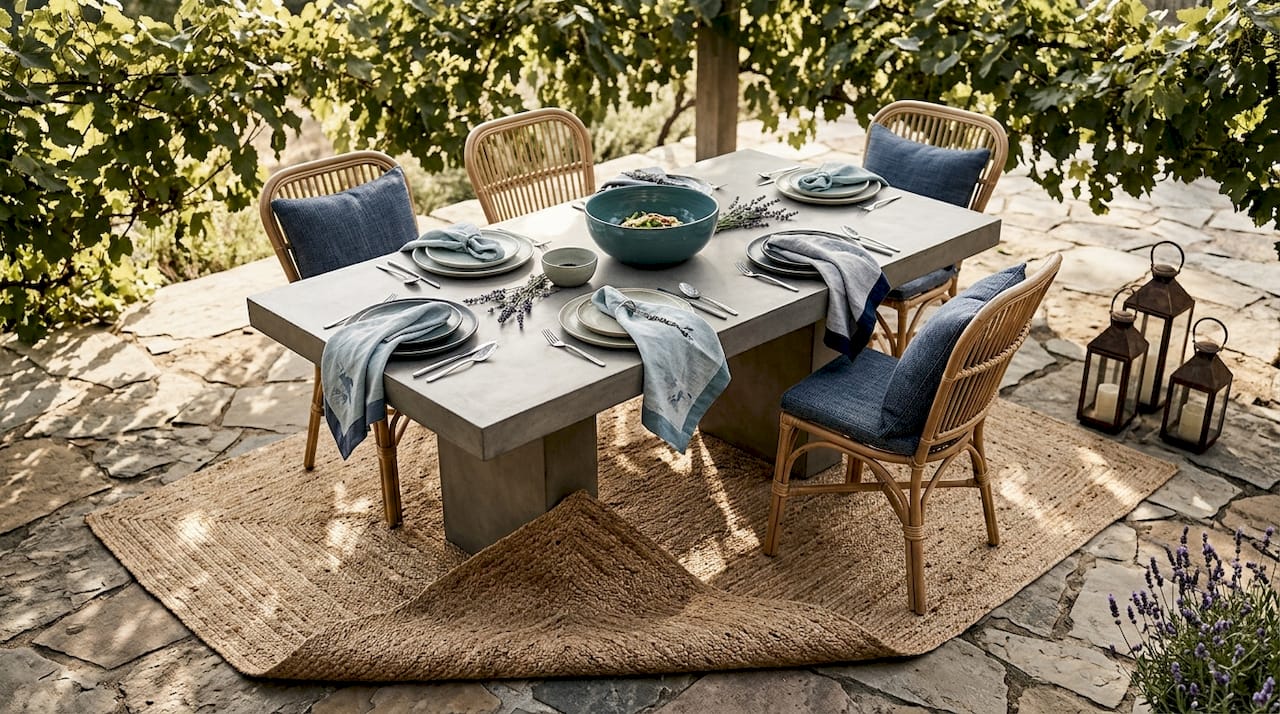
Scent and sound are two sensory layers most design guides skip entirely. A row of lavender or rosemary along a pathway, a small fountain nearby, or a low-volume outdoor speaker system playing ambient sound adds atmosphere that photographs cannot capture. These are the details guests feel without knowing why.
7. Luxury alfresco dining setup essentials
Luxury alfresco dining is less about the table and more about the ritual surrounding it. A beautiful dining table placed without thought about wind, light, or proximity to the kitchen becomes frustrating rather than pleasurable. Position your dining zone where it catches evening light without direct western glare, close enough to the outdoor kitchen or indoor connection that serving is effortless.
The table itself should seat two more people than your typical gathering. Nothing collapses an outdoor entertaining moment faster than scrambling to add chairs. Choose a material, teak, powder-coated steel, or cast aluminum, that you can leave outside year-round without a seasonal storage challenge.
Outdoor tableware matters more than most homeowners realize. Heavy ceramic plates, real glassware rather than plastic, and cloth napkins signal that this meal is an occasion. These details cost very little compared to the furniture but shift the entire experience from casual to genuinely elevated.
8. Multi-zone planning for cohesive backyard flow
A holistic multi-zone master plan prevents the fragmented design that makes even expensive backyards feel disjointed. The goal is to connect your outdoor kitchen, pool or spa, garden, and lounge areas with clear circulation paths and unified material choices.
Here is a practical planning sequence:
- Anchor your primary zone. Identify the single space where you spend most of your outdoor time. Build outward from there.
- Define circulation paths. Draw the natural walking lines between your house, dining area, pool, and garden. Use hardscape materials to formalize those paths.
- Unify your palette. Choose two or three hardscape materials, one stone, one wood or composite, and one metal, and repeat them across zones for visual cohesion.
- Create natural privacy boundaries. Use architectural plantings, raised planters, or pergola screens rather than solid fencing wherever possible. These add greenery and soften boundaries simultaneously.
- Add smart irrigation early. Smart irrigation systems can save up to 40% on water use while maintaining the lush planting that makes high-end gardens feel alive year-round.
Seamless aesthetic flow across outdoor zones is what distinguishes genuinely high-end projects from disjointed ones. When the materials, lighting, and planting tell one continuous story, the whole space feels larger and more intentional than the sum of its parts.
My take on what truly makes outdoor spaces feel luxurious
I’ve reviewed and helped shape a lot of outdoor living projects over the years, and the single most common mistake I see is the “statement piece” approach. A homeowner invests in a stunning fire table or a dramatic pergola, and then the rest of the space doesn’t support it. The statement sits in a vacuum. It looks impressive in a photo and feels awkward in real life.
What I’ve learned is that luxury is not about individual objects. It’s about the experience of moving through a space. The moment you step outside and the lighting, the temperature, the scent, and the sound all work together, that’s when a backyard stops being a yard and becomes a retreat.
My strongest piece of practical advice is to integrate technology at the very beginning of any outdoor project. I’ve seen homeowners spend a fortune on a beautiful structure and then run surface-mounted conduit across it because no one planned for speakers and lighting controls upfront. That single oversight undermines the entire aesthetic.
The other thing I’d push back on is the idea that luxury outdoor spaces require massive budgets. Creating a true outdoor retreat is more about discipline and editing than about spending. A smaller, perfectly detailed space always outperforms a large, cluttered one.
— Philipp
How Lifestyleoutdoor can complete your outdoor retreat
If these design principles have you rethinking your backyard, the next step is adding a water feature that genuinely transforms how you use the space.

At Lifestyleoutdoor, we specialize in the products that turn a well-designed backyard into a true wellness destination. Our curated selection of hot tubs for sale includes Jacuzzi, Caldera, Hot Spring, and Fantasy Spas models, each designed to anchor a luxury outdoor zone with both visual presence and genuine therapeutic value. For homeowners who want the best of fitness and relaxation, our swim spas combine exercise and hydrotherapy in one elegant footprint. Our team is ready to help you find the right fit for your space, style, and wellness goals.
FAQ
What makes an outdoor space feel truly luxurious?
Luxury outdoor living comes from intentional design built around daily rituals, layered sensory elements, and cohesive multi-zone flow rather than individual expensive items.
How do I choose between a fire pit and an outdoor heater?
Fire pits work best as central focal points for social gatherings, while purpose-built lounge heaters like high-BTU propane models provide targeted warmth without blocking sightlines in seating zones.
What outdoor furniture materials last the longest?
Teak, powder-coated aluminum, and high-density polyethylene wicker are the most durable options for premium outdoor furniture, holding up well through sun, moisture, and temperature changes.
When should I plan for smart home integration outdoors?
Integrate electrical conduit, AV rough-ins, and smart lighting or irrigation controls during initial construction. Retrofitting these systems after hardscaping is complete always costs more and compromises the finished look.
How many lighting layers does a luxury patio need?
Three layers work best: ambient lighting for general illumination, task lighting over cooking and dining surfaces, and accent lighting to highlight architectural features, plants, and water elements.