Most homeowners picture spa installation as a simple delivery day.
A truck pulls up, the spa slides into place, and you’re soaking by evening. The reality of what is spa installation involves permits, electrical circuits, foundation work, and scheduling that spans weeks, not hours. Skip any of these steps and you risk fines, a voided warranty, or a spa that simply won’t run.
This guide walks you through every stage of the spa installation process, from the first site assessment to your first soak, so you know exactly what to expect and how to plan for it.
Table of Contents
- Key takeaways
- What is spa installation: requirements you need first
- The spa installation process from site prep to first use
- Comparing spa types and what they mean for installation
- Common pitfalls and how to avoid them
- My honest take on what homeowners underestimate
- Ready to make your backyard a soothing oasis?
- FAQ
Key Takeaways
| Point | Details |
|---|---|
| Installation takes weeks, not days | Plan for 2 to 4 weeks from purchase to first use, with delivery itself completed in a single day. |
| Electrical work requires a licensed professional | Full-size spas need a dedicated 220V/240V circuit and a GFCI disconnect box, which must be installed by a licensed electrician. |
| Permits protect your investment | Skipping electrical or building permits can void your homeowner’s insurance and lead to costly fines. |
| Foundation quality determines longevity | A flat, solid surface capable of supporting a filled spa’s weight is non-negotiable before delivery day. |
| Spa type shapes installation complexity | Plug-and-play 110V models are simpler to set up, while hardwired 220V spas offer better performance and require more preparation. |
What is Spa Installation: Requirements You Need First
Before any spa touches your backyard, four foundational requirements must be in place. Getting these right determines whether your installation day goes smoothly or turns into a costly delay.
Foundation: The Surface That Holds Everything Together
A filled spa can weigh between 3,000 and 6,000 pounds depending on size. Your foundation must be completely flat and capable of bearing that load without shifting. The most reliable options are a reinforced concrete pad, a pre-existing patio slab rated for the weight, or compacted gravel with a solid base. If you need to pour a new concrete pad, factor in curing time.
Concrete curing takes 7 days before the spa can be placed on top, which is one reason installations take longer than buyers expect. Decking is a popular choice for aesthetics, but it must be reinforced structurally and assessed by a contractor before you commit.
Electrical Requirements at a Glance
| Spa Type | Voltage | Amperage | GFCI Requirement |
|---|---|---|---|
| Plug-and-play | 110V | 15 amps dedicated | Outlet 5 to 10 feet from tub |
| Hardwired (standard) | 220V/240V | 40 to 60 amps | Disconnect box min. 5 feet away |
| In-ground swim spa | 220V/240V | 50 to 60 amps | Disconnect box min. 5 feet away |
Full-size spas require a dedicated 220V/240V circuit with a GFCI disconnect box located at least 5 feet from the spa. This is not optional. The National Electrical Code (NEC) Article 680 governs all spa wiring, and non-compliant installations can fail inspection and void your warranty. Plug-and-play models are simpler. They use a dedicated 15-amp circuit and a standard outlet, with the outlet positioned 5 to 10 feet from the spa per NEC requirements.
Permits and Delivery Logistics
Electrical permits cost between $100 and $500, and most jurisdictions require them for any hardwired spa. In-ground installations typically also require a building permit. Skipping permits can void your homeowner’s insurance and result in fines if discovered. Apply early because permit approval timelines vary by city and can add one to two weeks to your schedule.
Delivery logistics are the most underestimated part of the spa setup guide. Your spa arrives on a pallet or dolly, and the delivery crew needs a clear path from the truck to the final location.
- Measure every gate, doorway, and pathway in the access route
- Confirm the path is at least 3 feet wide throughout
- Check for overhead obstructions like low-hanging branches or power lines
- Identify whether a corner turn is required and measure the turn radius
Pro Tip: Confirm your delivery path measurements with the retailer before you finalize the spa purchase. Discovering a 28-inch gate on delivery day means calling a crane company, and crane services can cost hundreds to thousands of dollars beyond your original budget.
The Spa Installation Process From Site Prep to First Use
Understanding the full spa installation process, step by step, removes the guesswork and helps you coordinate contractors without delays.
Site preparation
Pour or confirm your foundation surface. If pouring new concrete, schedule this two weeks before your target delivery date to allow full curing. Clear the area of furniture, debris, and any obstructions in the delivery path.
Electrical rough-in
Hire a licensed electrician to run conduit, install the subpanel breaker, and route wiring to the spa location. This work typically happens before the spa arrives so the electrician can connect the spa the same day it’s delivered.
Schedule your electrical inspection
Many jurisdictions require the wiring to be inspected before the spa is connected and filled. Coordinate with your local building department to schedule this inspection around your delivery date.
Delivery and placement
The spa arrives on a flatbed truck and is moved into position using a dolly or spa skids. Most crews place the spa and level it within a few hours. The electrical connection follows immediately if the inspection is already cleared.
Fill the spa correctly
This step is where many first-time owners make an expensive mistake. Insert your garden hose into the filter compartment, not the main tub interior. Filling via the filter compartment forces water through the pump lines, eliminating trapped air that would otherwise cause pump priming failure on startup.
Power on and initial programming
Once filled, turn on power, set your temperature, and allow the water to heat. This takes longer with 110V models. With a 220V hardwired spa, you’ll typically reach soaking temperature within 8 to 12 hours.
Water chemistry balancing
Test and balance pH, alkalinity, and sanitizer levels before your first soak. Most manufacturers include a startup chemical kit with the spa.
The total timeline runs 2 to 4 weeks from purchase to first use, though the actual installation day is typically completed within a single day. The weeks in between are consumed by foundation prep, permit approval, and electrician scheduling.
Pro Tip: Book your electrician at the same time you place your spa order. Good licensed electricians book out two to three weeks, and waiting until after delivery means your spa sits empty while you wait for electrical work.
For a detailed walkthrough of every step, Lifestyle Outdoor’s step-by-step installation guide covers homeowner-specific considerations from planning through first soak.
Comparing spa types and what they mean for installation
Not all spas install the same way. The type you choose has a direct impact on spa installation cost, timeline, and the trades you need to hire.
Plug-and-play vs. hardwired spas
Plug-and-play 110V spas are designed for accessibility. You plug them into a standard dedicated outlet, and they’re operational the same day. No electrician is required for the connection itself, and site prep is minimal. The trade-off is real. These models heat slowly, often less than 1 degree per hour, and the jets are noticeably less powerful than 220V models. They suit smaller households and warmer climates where the spa doesn’t need to recover heat as aggressively.
Hardwired 220V/240V spas are what most buyers picture when they imagine a full spa experience. They heat faster, run more jets simultaneously, and offer advanced features like programmable filtration cycles. The installation complexity is higher, the cost is higher, and you need a licensed electrician. For most homeowners investing in a premium outdoor wellness space, the performance difference makes the extra planning worthwhile.
Above-ground vs. in-ground installations
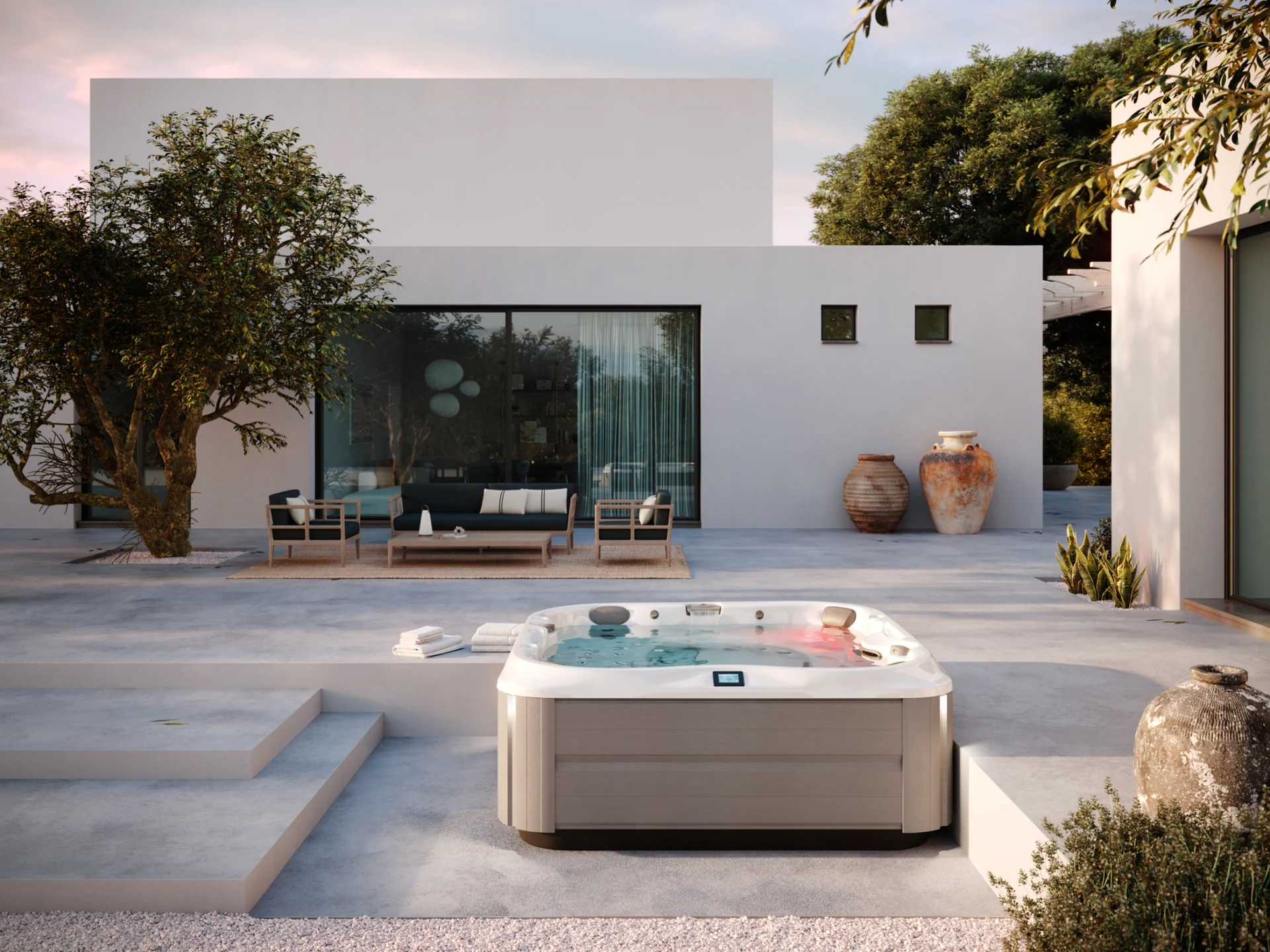
- Above-ground spas are the most common for residential settings. They sit on a prepared surface, connect to wiring run from a nearby subpanel, and can be relocated if needed.
- In-ground spas are built into a surrounding structure, often concrete or tile. They require excavation, drainage planning, and typically both an electrical permit and a building permit. They offer a polished, permanent look but come with significantly higher installation costs and longer timelines.
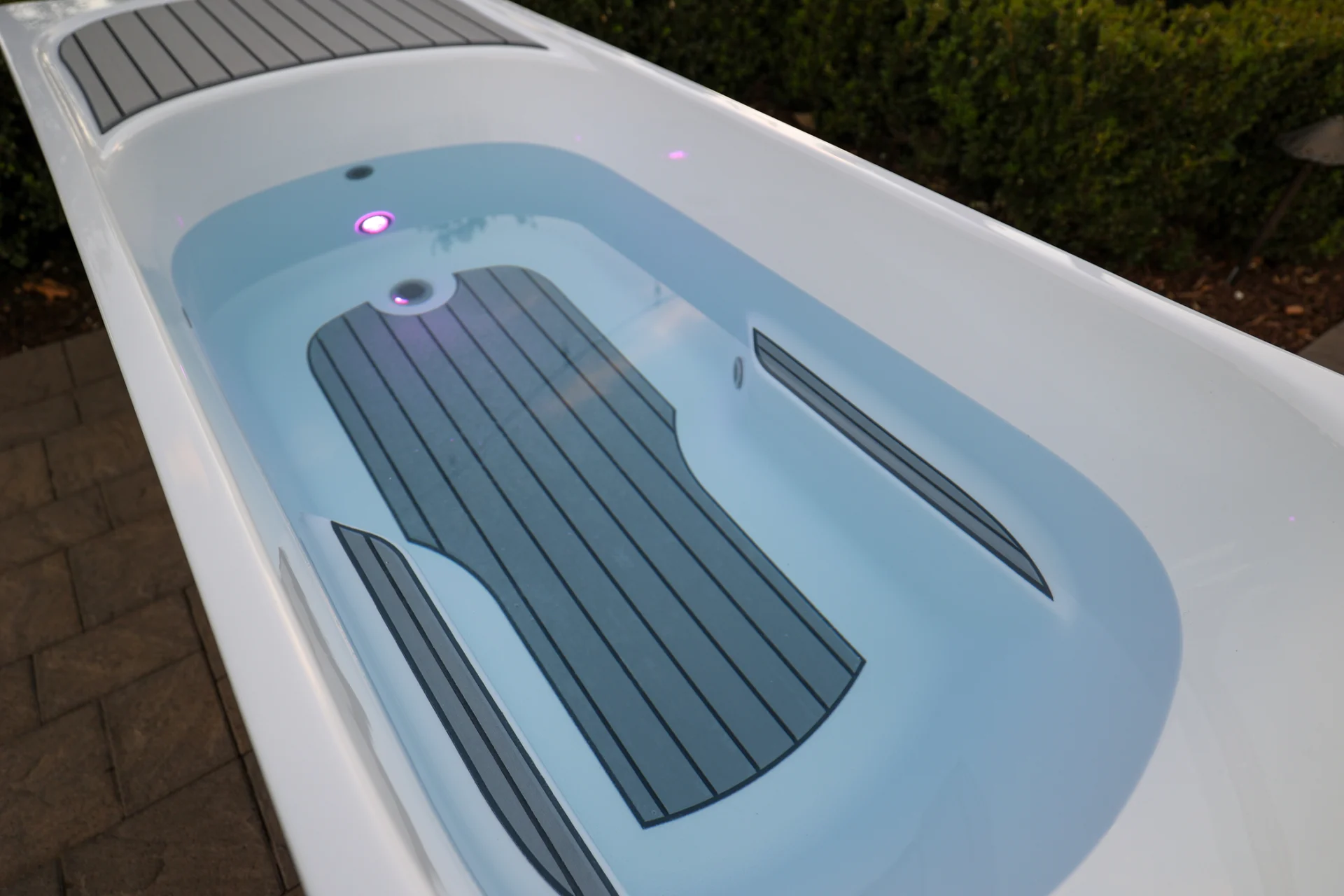
- Swim spas occupy a middle ground. Many are installed above-ground but partially recessed into a deck for a clean aesthetic. Their larger size means more demanding electrical requirements and greater foundation loads.
If you’re weighing your options between a traditional hot tub and a swim spa setup, Lifestyle Outdoor’s comparison of hot tub vs spa options breaks down performance, installation, and lifestyle fit in detail.
Common Pitfalls and How to Avoid Them
Most spa installations that go wrong follow a predictable pattern. Avoiding these mistakes saves money and stress.
Skipping the delivery path check
Measure every inch of the path before you order. A path that’s 2 inches too narrow on installation day means a crane rental that could cost more than your original delivery fee.
Hiring an unlicensed electrician
It’s tempting to save money here. Don’t. Improper wiring can void your manufacturer warranty and create a genuine safety hazard. NEC Article 680 exists for a reason.
Filling through the main tub body
Water added directly to the tub without passing through the filter compartment traps air in the pump lines. Your pump will fail to prime and may overheat trying. Use the filter compartment every time.
Ignoring permit requirements
Unpermitted electrical work discovered during a home sale or insurance claim can freeze a transaction or deny a claim outright. Permits are not bureaucratic noise. They’re protection.
Underestimating the timeline
Buyers who expect delivery within a week of purchase are consistently frustrated. Build four weeks into your planning from the start.
Pro Tip: Ask your retailer for a pre-installation checklist specific to your model. The best retailers, like Lifestyle Outdoor, provide this at purchase so you can coordinate foundation, electrical, and permits in the correct sequence without guessing.
“A spa installation is only as good as the planning that happens before the spa arrives. The day of delivery should feel like a celebration, not a scramble.”
For a site-specific preparation checklist, Lifestyle Outdoor’s backyard spa preparation guide is worth reviewing before you schedule anything.
What Homeowners Often Underestimate
At Lifestyle Outdoor, we’ve seen a lot of spa installations, and the single most consistent pattern is this: homeowners underestimate the coordination involved, and they discover it at the worst possible time.
The foundation and the electrician need to be scheduled in sequence, not in parallel. You can’t have the electrician show up before the foundation is cured, and you can’t take delivery before the wiring is roughed in if you want the connection done same day. Getting this sequence wrong by even a few days means your spa sits on a pallet in your driveway while you wait.
What experienced installers understand that most buyers don’t is that the permits are the longest pole in the tent. We’ve seen electrical permit approvals take three days in one city and three weeks in a neighboring one. Starting the permit process at the same time you place your order is not cautious. It’s necessary.
My other observation: the plug-and-play versus hardwired decision is often made for the wrong reasons. Buyers choose plug-and-play to avoid electrician costs, then spend two winters frustrated by slow heat recovery and weak jets. If your budget allows a hardwired model, the wellness benefits of hydrotherapy are fully realized with consistent heat and pressure. The upfront investment in proper installation pays for itself in daily use.
Finally, resist the urge to cut corners on professional labor to protect your warranty. The spa is the investment. The installation is what protects it.
Ready to Make Your Backyard a Soothing Oasis?
At Lifestyle Outdoor, we take the guesswork out of going from research to relaxation. Our team helps you select the right spa for your space, budget, and lifestyle, and we back that guidance with real installation support.
Whether you’re drawn to a classic hot tub or a full swim spa setup, our showroom experts help you understand every requirement before you commit. Explore our full lineup of premium hot tubs for sale and find the model that fits your backyard vision. You can also browse our swim spa collection if you want the combination of exercise and hydrotherapy in one installation. When you’re ready to plan, our team is one conversation away from helping you get every detail right.
FAQ
What does spa installation include?
Spa installation covers site preparation, foundation work, electrical wiring, permit acquisition, delivery, placement, and initial water fill and chemistry balancing. The full process typically spans 2 to 4 weeks from purchase to first use.
How much does spa installation cost?
Installation costs vary by spa type. Electrical permits run $100 to $500, site preparation such as a concrete pad adds $200 to $800, and electrician labor for hardwired spas typically ranges from $500 to $2,000 depending on your location and circuit complexity.
Do I need a permit to install a spa?
Most jurisdictions require an electrical permit for hardwired spas, and in-ground installations often require a building permit as well. Skipping permits can void your homeowner’s insurance and result in fines, so check with your local building department before starting any work.
Can I install a plug-and-play spa myself?
Plug-and-play 110V spas can be placed and filled without a licensed electrician for the connection, but you still need a dedicated 15-amp circuit and must follow NEC outlet placement rules. Foundation preparation and correct filling procedures still apply.
How long does it take to install a spa?
The actual delivery and setup is completed within a single day, but the full timeline from purchase to first soak runs 2 to 4 weeks when you account for foundation curing, permit approval, and electrician scheduling.