Most people assume a home spa means gutting a bathroom or spending thousands on equipment. Neither is true. A home spa is any intentional space or ritual in your home designed around relaxation and sensory wellness, and consumer interest is rising fast, with searches for spa-inspired home features growing by 33% in recent years. You don’t need a dedicated room or a designer budget. You need the right understanding of what actually creates a spa experience, and that’s exactly what this guide delivers.
Table of Contents
- Key takeaways
- What is a home spa, really
- How a home spa actually promotes relaxation
- Home spa setup ideas for every budget
- Home spa hardware worth considering
- Building your home spa ritual
- My honest take on home spa benefits and myths
- Ready to take your home spa further
- FAQ
Key takeaways
| Point | Details |
|---|---|
| Home spas are defined by intention | Any space or ritual focused on relaxation qualifies, from a bathtub setup to a dedicated sauna room. |
| Sensory layering drives relaxation | Combining warm light, scent, sound, and texture signals your brain to shift into genuine rest mode. |
| Budget doesn’t limit you | Meaningful spa experiences start under $30 with smart lighting, candles, and simple DIY treatments. |
| Hardware amplifies results | Hot tubs, saunas, and steam units extend benefits well beyond what a bath alone can achieve. |
| Ritual beats routine | Intentional, scheduled spa sessions deliver more lasting wellness benefits than occasional spontaneous ones. |
What is a home spa, really
A home spa is a relaxation-focused wellness space or ritual environment you create inside your own home. That definition is intentionally broad, because the format can look very different from person to person.
It is not the same as a professional day spa, which is a commercial service environment. And it is not just a hot tub sitting in your backyard, though a hot tub can absolutely be the centerpiece of one. What makes something a home spa is the purpose behind it: deliberate sensory comfort, physical unwinding, and mental decompression.
Home spas take several forms, and understanding which one fits your life is the first real decision:
- Dedicated spa room: A converted bathroom, basement space, or sunroom fully outfitted with sauna, steam, or hydrotherapy equipment
- Bathroom spa setup: Your existing bathroom upgraded with lighting, scent diffusers, bath soaks, and soft textures to create a retreat-like atmosphere
- Portable spa kit: A collection of products (bath salts, essential oils, face masks, candles) you assemble and use anywhere in your home
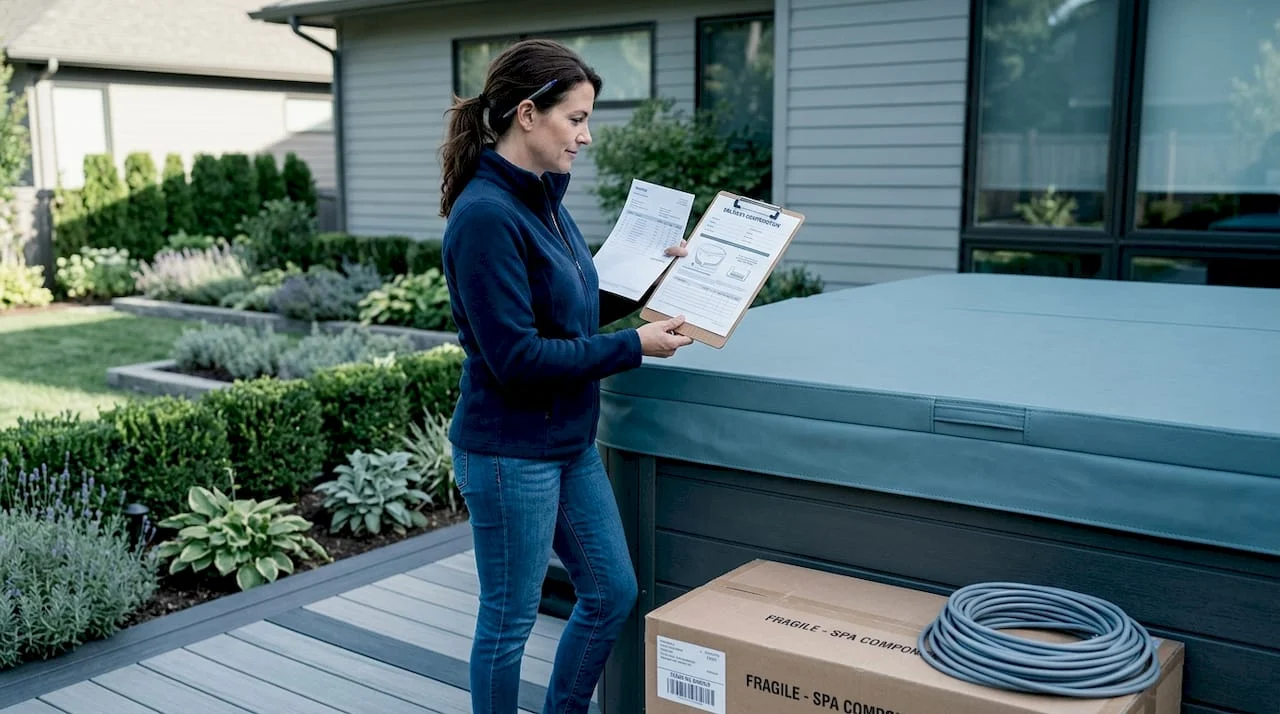
- Backyard spa station: An outdoor hot tub, barrel sauna, or cold plunge unit that functions as a personal wellness destination
- Simple rituals: A consistent self-care practice layering sensory elements, even without any special products or equipment
Each of these qualifies. The common thread is intentionality. You are creating conditions that signal to your body and mind that rest is the priority right now.
How a home spa actually promotes relaxation
The reason a home spa works isn’t mystical. It’s sensory science applied practically. Sensory layering combines warm lighting, aromatherapy, and soothing sound to help your brain transition out of active mode and into genuine rest. When multiple senses receive calm signals at the same time, the shift happens faster and goes deeper.
Think of it this way: if you take a bath with fluorescent lighting, your phone buzzing on the ledge, and the scent of dish soap drifting in from the kitchen, your brain doesn’t register “relaxation.” It registers “slightly warm chore.” The sensory environment shapes the experience entirely.
Here’s how each sensory layer contributes:
Sight: Warm, dimmable lighting is the single highest-impact change you can make. Lighting upgrades under $30, like smart bulbs or simple candles, shift a room from clinical to calm more effectively than any product you can apply to your skin.
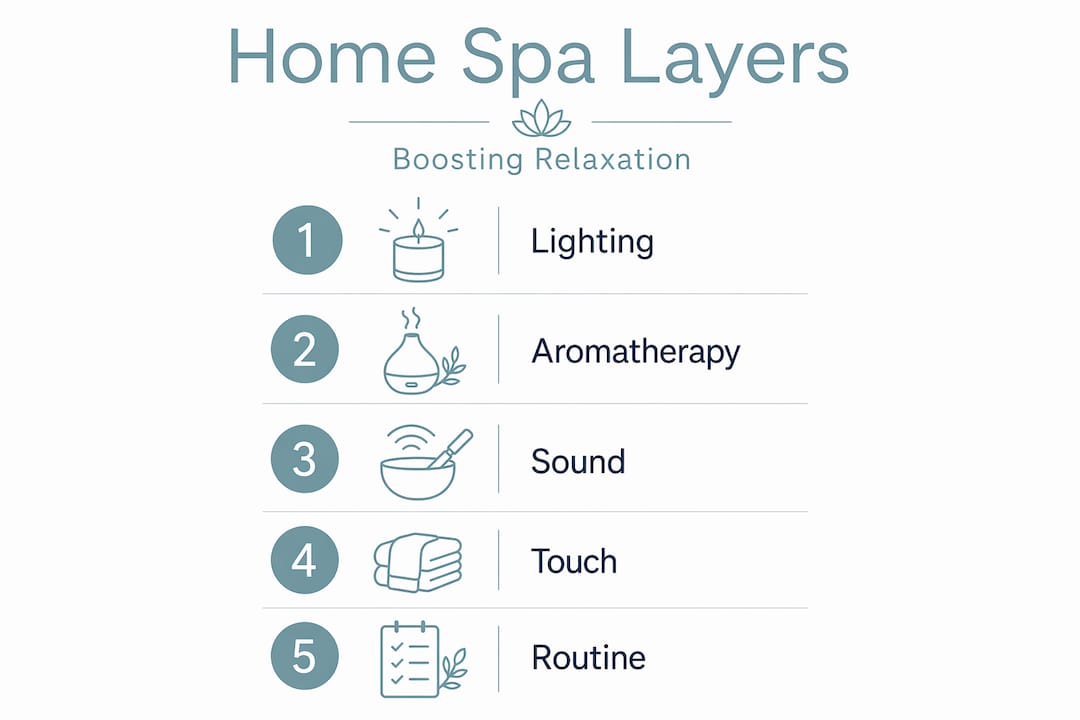
Smell: Aromatherapy through diffusers, bath oils, or candles activates the limbic system, the part of the brain tied directly to emotion and memory. Lavender, eucalyptus, and bergamot are reliable choices because they have a long track record of reducing perceived stress.
Sound: A playlist of soft ambient music or nature sounds completes the sensory picture. The goal is neutral sound that doesn’t demand attention.
Touch: Warm water, a plush towel, a soft robe. These aren’t luxuries. They are functional elements that reinforce the physical side of the relaxation signal.
A typical DIY home spa session lasts 1 to 3 hours, with even a one-hour block delivering real restorative value. Longer sessions simply deepen the effect. The key insight here: duration matters less than consistency and intentionality.
“Intentionality and sensory layering are what distinguish a ritual from a mere routine, and that distinction amplifies the wellness benefits you actually feel.” At-Home Spa Ideas
Pro Tip: Set a hard boundary for your session before you start. No phone checks, no “quick” tasks. The intentional separation from daily demands is itself a core element of what makes the experience restorative.
Home spa setup ideas for every budget
You don’t need to spend a lot to build something that genuinely works. The goal is to create an environment where relaxation feels like the default, not a struggle. Here’s a practical breakdown from minimal investment upward.
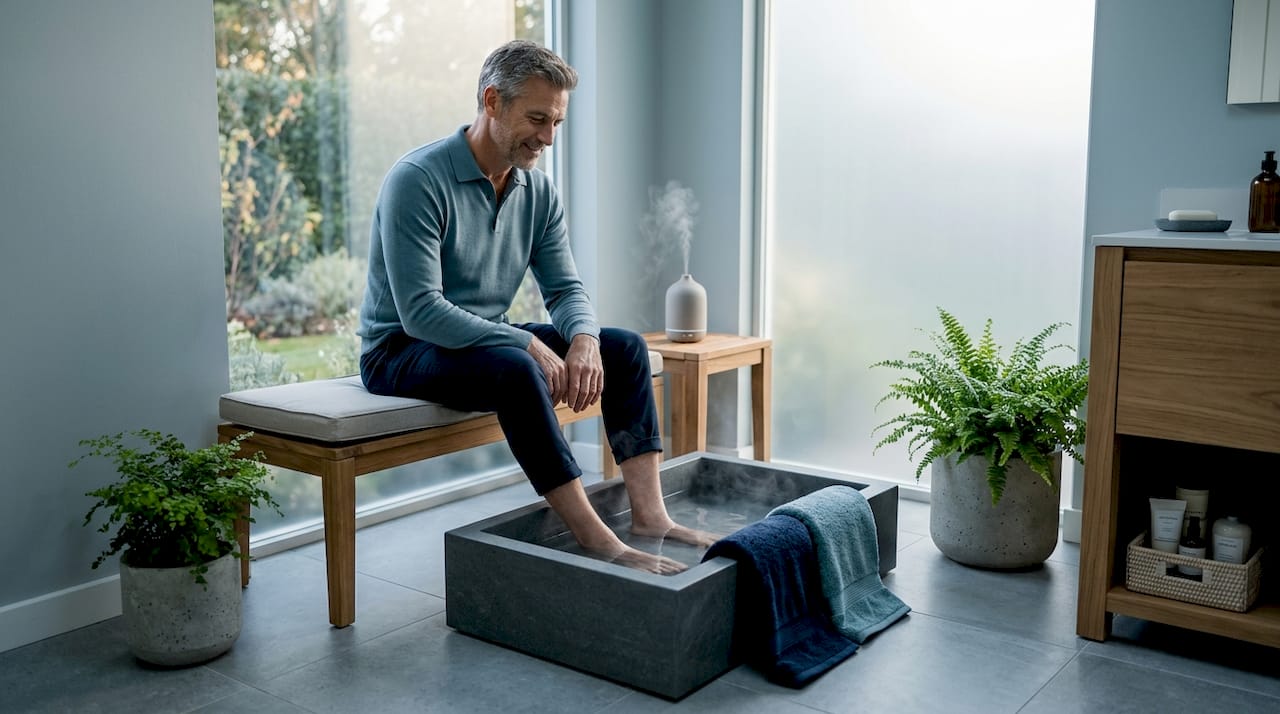
Start with the environment (under $30)
Clutter is the enemy of calm. Visible clutter reduces the calming effects of every other spa design choice you make. Clear surfaces, conceal toiletries in baskets or bins, and put your phone in another room. Then add one warm-toned smart bulb or a set of unscented candles. That alone changes the room.
Layer in DIY treatments (under $50 total)
Simple treatments you can mix at home deliver real results:
- Bath soak: Two cups of Epsom salts, a few drops of lavender essential oil, and warm water. Epsom salts help ease muscle tension; the scent completes the sensory layer.
- Facial steam: Fill a bowl with hot water, add a drop of eucalyptus oil, and drape a towel over your head for five minutes. It opens pores gently and forces slow breathing.
- Body scrub: Mix coconut oil with raw sugar for a simple physical exfoliant. Note: chemical exfoliants like AHAs are safer and more effective than harsh physical scrubs if you have sensitive skin, since physical scrubs can cause microtears.
- Hair treatment: Apply warm coconut or argan oil to your scalp and steam with a warm towel for three to six minutes. Steaming opens hair cuticles for better product absorption and improves shine without a salon visit.
- Cool rinse finish: End any water treatment with a brief cool rinse. It closes pores, improves circulation, and leaves skin feeling refreshed rather than sluggish.
Pro Tip: Build a dedicated “spa basket” that lives in your bathroom. Stock it with your go-to products and keep it ready. Removing the setup friction means you’ll actually use it regularly instead of saving it for special occasions.
For deeper inspiration on organizing your setup, the home spa essentials checklist from Lifestyleoutdoor breaks down exactly what to gather without overcomplicating the process.
Home spa hardware worth considering
Once you’ve experienced what intentional sensory layering does for your wellbeing, you may want to invest in hardware that deepens those results. The jump from a bath-based setup to equipment-based home spa is significant, but so are the benefits.
Here’s how the main options compare:
| Equipment | Upfront cost | Key benefits | Maintenance level | Best for |
|---|---|---|---|---|
| Hot tub | $3,000–$15,000+ | Hydrotherapy, jet massage, social use | Moderate (water chemistry) | Daily relaxation, muscle relief |
| Indoor sauna | $1,500–$8,000 | Deep heat, detox, cardiovascular support | Low (clean periodically) | Dry heat lovers, solo wellness |
| Barrel sauna (outdoor) | $2,000–$6,000 | Space-efficient, rustic aesthetic, strong heat | Low to moderate | Backyard setups, year-round use |
| Steam unit | $500–$3,000 | Skin hydration, respiratory benefit | Moderate (descaling required) | Bathroom retrofits, skin care focus |
| Cold plunge | $500–$5,000 | Recovery, alertness, circulation | Low (water changes) | Athletes, contrast therapy fans |
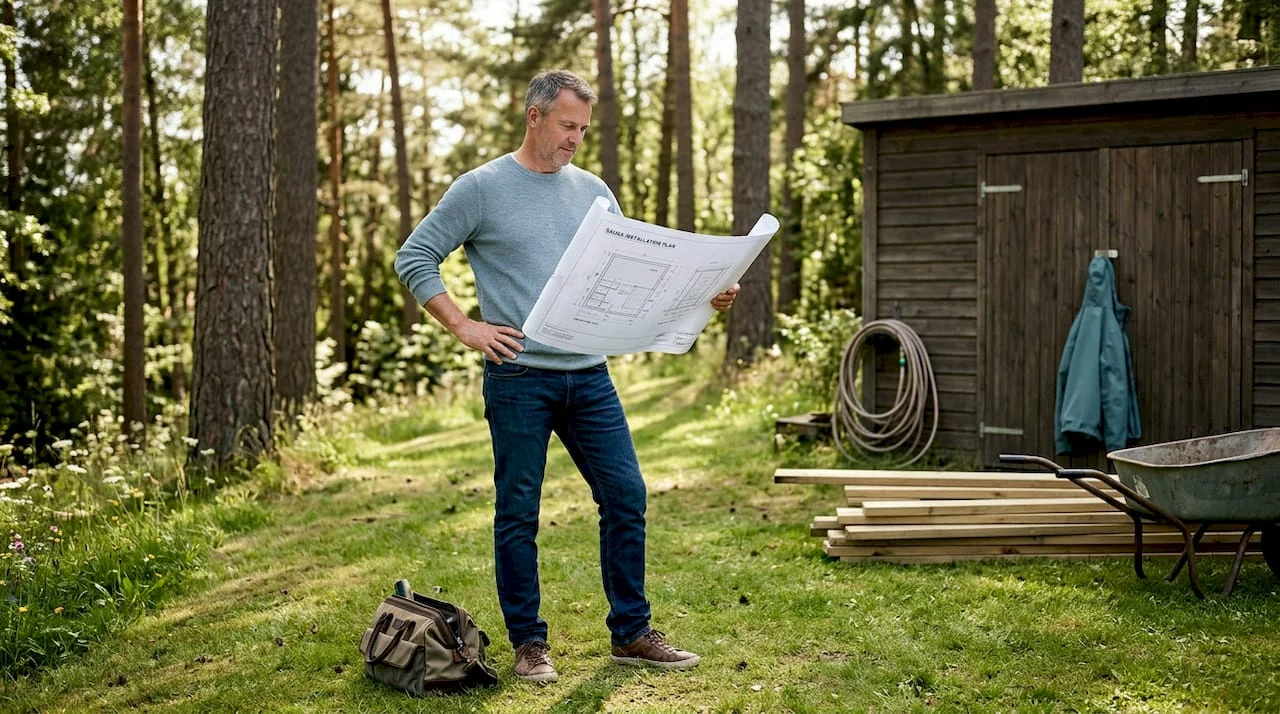
A key setup detail that most buyers overlook: proper site preparation is critical for outdoor sauna longevity. A level, draining pad protects the wood over time and prevents moisture damage. Mechanical assembly is often straightforward. Site prep is where installations fail.
For those curious about hardware upgrades across the spectrum, the Lifestyleoutdoor guide to backyard leisure upgrades covers hot tubs, saunas, and full spa retreats in detail.
Building your home spa ritual
Knowing what to include in a home spa is only half the work. The other half is building a practice around it. Here’s a simple framework for a one-to-two hour DIY home spa session:
- 15 minutes before: Prepare the space. Set lighting, start your scent diffuser or candles, queue your playlist, and lay out products and towels. Remove distractions.
- 10 minutes: Begin with a facial steam to open pores and ease into a slower breathing rhythm.
- 20 to 30 minutes: Take a warm bath or shower with your soak or scrub routine. Let the water do the heavy lifting.
- 10 minutes: Apply a face mask or hair treatment and rest quietly. This is not the time to scroll your phone.
- 15 minutes: Cool rinse, moisturize, put on a soft robe. Let your body temperature normalize.
- Remaining time: Rest. Read something light, journal, or simply sit in the quiet. This wind-down phase is often skipped and it’s what turns a nice bath into genuine restoration.
Schedule this at least once a week. Wellness habits compound. A monthly session feels special. A weekly session feels like part of who you are.
One safety note: always do a patch test before applying new DIY scrubs or oils to your skin, and avoid aggressive physical exfoliants on your face. Gentle approaches protect your skin barrier and keep your home spa treatments working long term.
My honest take on home spa benefits and myths
I’ve spent years watching people overcomplicate the home spa concept, and the pattern is almost always the same. They assume they need a bigger bathroom, a larger budget, or more time before they can start. So they wait. And they don’t start.
What I’ve actually seen work is the opposite of elaborate. A few candles, a good bath soak, and thirty minutes of silence will do more for your nervous system than a cluttered collection of luxury products you use twice a year. The simple change of dimmed lighting and natural scents creates a perception of luxury that expensive products alone can’t replicate.
The other myth I want to challenge is that home spas are passive. The most impactful practitioners I know treat their home spa time as an active mental health habit, scheduled with the same seriousness as a workout. That mindset shift changes everything.
When you do want to invest in hardware, hot tubs and saunas are genuinely worth the money over time. Not because they’re impressive, but because having a dedicated physical space makes it easier to protect the habit. Friction is the enemy of consistency, and good equipment removes friction.
Start with what you have. Refine over time. The goal is not a perfect setup. It’s a consistent one.
— Philipp
Ready to take your home spa further
If the setup ideas in this article have you thinking bigger, Lifestyleoutdoor is the place to start. From premium hot tubs to indoor and outdoor saunas, the collections are designed specifically for homeowners who want a real wellness retreat without the guesswork.

Browse the full selection of hot tubs for sale in Southern California, including Jacuzzi, Caldera, and Hot Spring models. If heat therapy is more your focus, explore the range of indoor and outdoor saunas for every home setup and budget. You can also add smaller touches through Lifestyleoutdoor’s spa side enhancements to upgrade your current space without a full installation. Whether you’re starting from scratch or upgrading an existing setup, the team is ready to help you find the right fit.
FAQ
What is a home spa in simple terms?
A home spa is any intentional space or self-care ritual in your home designed to promote relaxation and sensory wellness. It can be as simple as a scented bath with dim lighting or as elaborate as a room with a hot tub and sauna.
What do you need to create a basic home spa?
The core home spa essentials are warm or dimmable lighting, a calming scent (candles, diffuser, or bath oil), a quality bath soak, soft towels or a robe, and soothing background sound. You can build a meaningful setup for under $50.
How long should a home spa session last?
A session of one to three hours provides real restorative benefits, with even a focused one-hour block delivering measurable results. What matters more than duration is protecting that time from interruptions.
Are home spa treatments safe to do yourself?
Most DIY home spa treatments are safe when you use gentle products and follow basic precautions. Avoid harsh physical scrubs on sensitive skin and always patch test new oils or formulas before full application to prevent irritation.
Is a hot tub considered a home spa?
A hot tub is one of the most effective forms of home spa hardware, offering hydrotherapy and jet massage that a bath alone cannot replicate. Paired with the right sensory environment, it becomes a complete home spa experience.