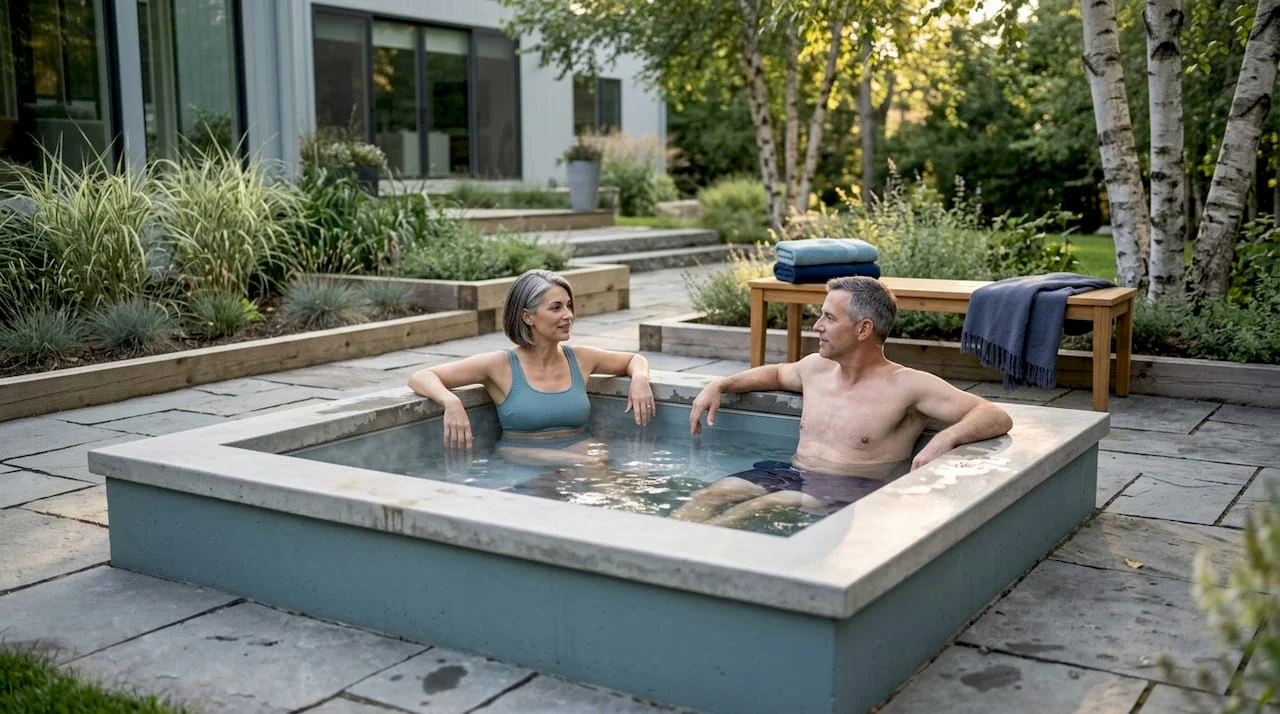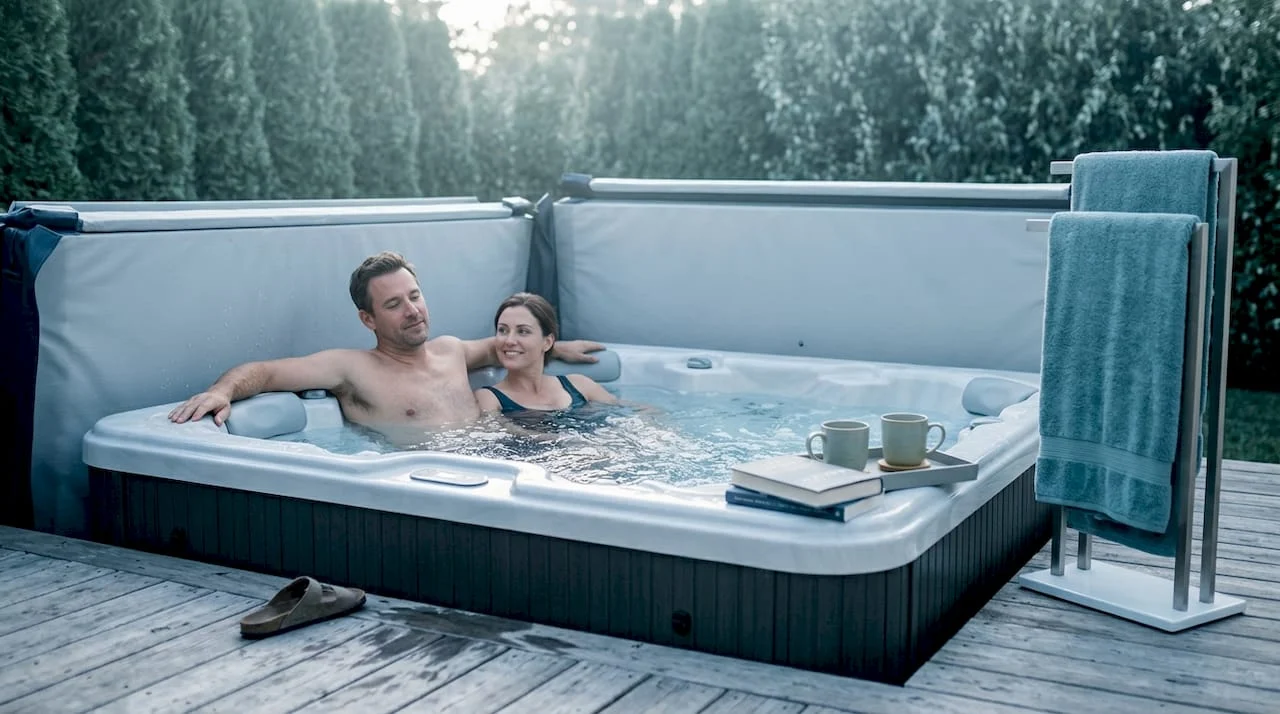
First-time hot tub owners often share the same early frustrations: cloudy water that won’t clear up, a utility bill that’s higher than expected, and a maintenance schedule that feels more confusing than relaxing. Sound familiar? You’re not alone, and more importantly, none of these problems are permanent. With the right preparation, a consistent routine, and a clear understanding of your equipment, owning a hot tub quickly becomes one of the most rewarding upgrades you’ll ever make to your home. This guide walks you through everything you need to know, from buying smart to keeping your water crystal clear season after season.
Table of Contents
- What to know before buying your first hot tub
- Hot tub essentials: Tools, materials, and setup
- Step-by-step: Routine care and water maintenance
- Sanitizer choices: Chlorine, bromine, and eco-friendly alternatives
- Troubleshooting, common mistakes, and tips
- Why most new owners underestimate maintenance: Our advice
- Ready to upgrade your outdoor leisure? Next steps
- Frequently asked questions
Key Takeaways
| Point | Details |
|---|---|
| Choose efficient insulation | Full foam open-cell insulation boosts energy savings and makes repairs easier. |
| Follow regular maintenance | Weekly testing, filter rinsing, and quarterly draining keeps your hot tub clean and functional. |
| Pick the right sanitizer | Select bromine for frequent use and warmth, or chlorine for cost savings; eco-options are available. |
| Budget realistically | Plan for $20–60/month in electricity and $15–30/month for chemicals, plus installation costs. |
| Prevent common mistakes | Scheduling routine care avoids costly repairs and prevents water quality issues. |
What to know before buying your first hot tub
Before you picture yourself soaking under the stars, a few practical decisions will shape your ownership experience for years to come. The biggest one? Quality and insulation type. Hot tubs last 10 to 20 years with proper maintenance, and the insulation inside the cabinet plays a major role in both energy efficiency and ease of repair. Full foam open-cell insulation fills the entire cabinet, keeping heat in and making leaks easier to spot and fix. Perimeter insulation only lines the walls, leaving the interior open. That might sound simpler, but it means less heat retention and harder-to-find leaks.
Running costs are another factor that surprises many buyers. Electricity runs $20 to $60 per month for efficient models, drawing anywhere from 4 to 12 kWh per day depending on your climate and usage habits. A well-insulated cover, a lower set temperature around 100°F, and full foam insulation all help keep that number at the lower end. These aren’t minor savings over time; they add up to hundreds of dollars across a single year.
Physical setup basics to plan for:
- A flat, reinforced concrete or composite pad to support 3,000 to 5,000 pounds when filled
- A dedicated 240V GFCI electrical circuit installed by a licensed electrician
- At least 3 to 4 feet of clearance around the tub for maintenance access
- A nearby water source for easy fill and drain cycles
- A locking safety cover if children or pets are present
Pro Tip: When choosing your hot tub, prioritize models with full foam open-cell insulation from the start. It’s harder to retrofit insulation later, and the efficiency gains pay off within the first two years of ownership.
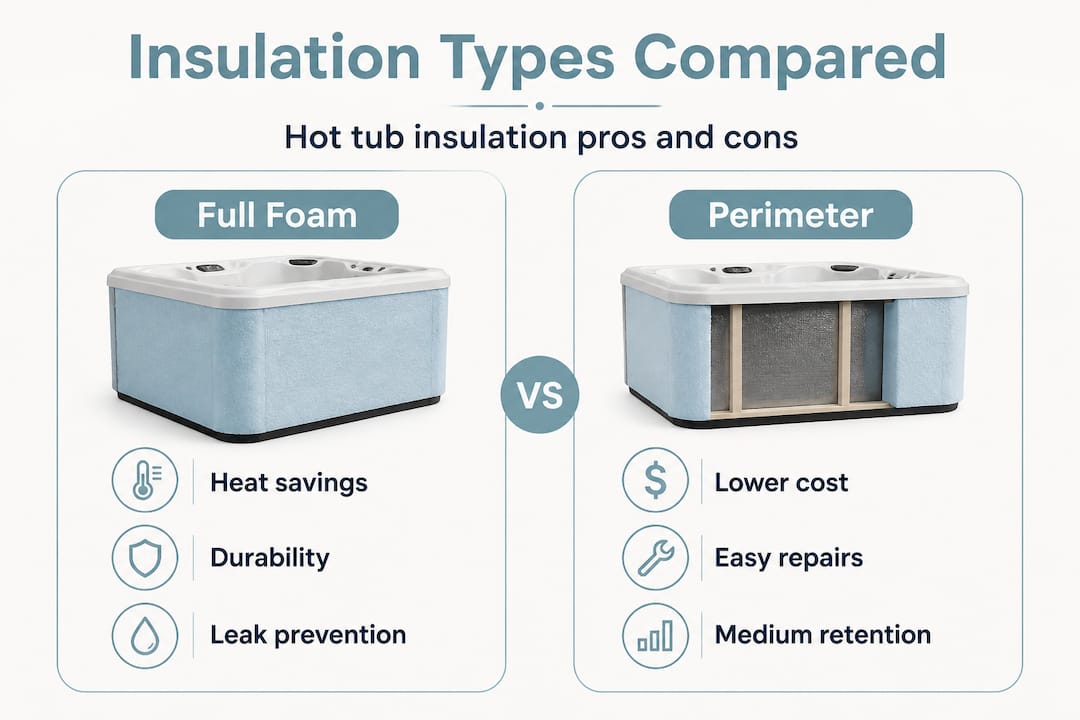
| Feature | Full foam insulation | Perimeter insulation |
|---|---|---|
| Heat retention | Excellent | Moderate |
| Leak detection | Easy | Difficult |
| Energy efficiency | High | Lower |
| Repair access | Good with proper panels | Limited |
| Long-term cost | Lower | Higher |
Hot tub essentials: Tools, materials, and setup
Once you’ve chosen your tub, assembling the right starter kit saves you from scrambling later. Water care is where most beginners feel overwhelmed, but it really comes down to a handful of products used consistently. Chemical costs typically run $15 to $30 per month, though eco-friendly alternatives like ozone systems, UV sanitizers, or mineral cartridges can lower that number by reducing how much sanitizer you need. Keep in mind these systems usually require more robust filtration to stay effective.
Your hot tub water care essentials kit should include the following:
- Sanitizer (chlorine granules or bromine tablets, your choice)
- pH increaser and decreaser (pH should stay between 7.2 and 7.8)
- Alkalinity increaser (total alkalinity target: 80 to 120 ppm)
- Calcium hardness increaser (target 150 to 250 ppm)
- Shock treatment (oxidizer to break down contaminants after heavy use)
- Test strips or a digital test kit (accuracy matters here)
- Filter cleaner spray and soak solution
- Waterline cleaner (for shell and cabinet surfaces)
| Chemical | Purpose | Frequency |
|---|---|---|
| Sanitizer | Kills bacteria and algae | 2 to 3x per week |
| pH balancer | Maintains water comfort | Weekly |
| Shock treatment | Oxidizes contaminants | Weekly or after heavy use |
| Filter cleaner | Removes oils and debris from filters | Monthly deep clean |
| Calcium hardness | Protects shell and equipment | Monthly check |
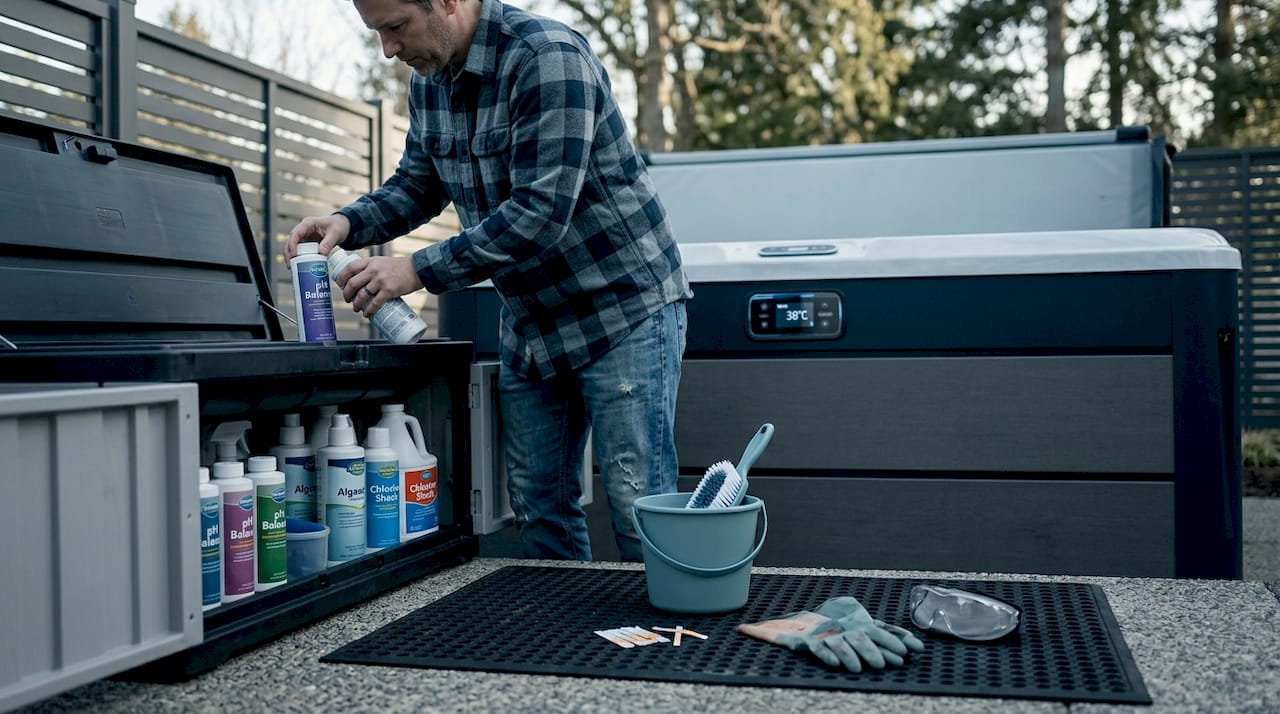
For safety gear, always keep rubber gloves, safety glasses, and a splash-proof container nearby when handling chemicals. Store chemicals in a cool, dry place away from direct sunlight and never mix them together before adding to water.
Step-by-step: Routine care and water maintenance
Once your tub is set up, ongoing care preserves both water quality and equipment life. The good news is that a routine takes less than 20 minutes most days once you get the hang of it.
Your maintenance schedule, broken down:
- Two to three times per week: Test your water using test strips or a digital kit. Adjust pH, alkalinity, and sanitizer levels as needed. This takes about five minutes and prevents almost every water quality problem before it starts.
- Weekly: Add a shock treatment to oxidize organic waste from bathers (body oils, lotions, and sweat). Rinse your filter cartridges with a garden hose to remove debris and restore flow. Wipe the waterline with a soft cloth and a non-abrasive cleaner.
- Monthly: Do a deeper filter soak using a chemical filter cleaner solution. Check the cabinet, jets, and cover for any visible wear or damage. Inspect the equipment compartment for any signs of moisture or leaks.
- Every 3 to 4 months: Drain and refill your hot tub completely to prevent dissolved solid buildup that test strips can’t fix. Before refilling, scrub the shell with a gentle cleaner and rinse thoroughly.
- Seasonally: For hot tub spring cleaning, deep clean the cabinet interior, inspect all jets for clogs, and check the cover’s foam core for waterlogging.
Following a hot tub maintenance basics routine removes the guesswork. Weekly maintenance including testing water two to three times per week, rinsing filters, shocking the water, and wiping surfaces keeps chemistry balanced and your water inviting.
Pro Tip: A tight-fitting, insulated cover does double duty. It cuts evaporation, reduces debris, and holds in heat so your heater works less. If your cover is waterlogged and heavy, it’s time to replace it. A damaged cover can add $30 or more per month to your energy bill.
Safety reminder: Always wear gloves when handling hot tub chemicals. Never add chemicals directly on top of each other, and always add them to the water separately. Keep the cover open for 15 to 20 minutes after adding chemicals to allow gases to dissipate before soaking.
Sanitizer choices: Chlorine, bromine, and eco-friendly alternatives
Water quality hinges on your sanitizer choice, and the right fit depends on how you use your tub. Let’s break it down so you can choose with confidence.
Chlorine is cheaper at roughly $150 to $300 per year and acts fast to kill bacteria, making it a strong option for occasional users or those on a tighter budget. The drawback is that it’s more sensitive to pH swings and produces a stronger odor, especially in a warm, enclosed soaking environment. Bromine runs closer to $400 to $600 per year but stays stable at higher temperatures and is generally gentler on skin and eyes. For most hot tub users soaking frequently at high heat, bromine feels noticeably more comfortable.
Quick guide: Which sanitizer fits your situation?
- Choose chlorine if: You soak occasionally (a few times per week or less), you want to keep costs low, or you’re comfortable monitoring pH more frequently
- Choose bromine if: You soak daily or at temperatures above 102°F, you have sensitive skin or eyes, or you want a more stable and low-odor experience
- Consider eco-friendly alternatives if: You want to reduce chemical exposure, you’re environmentally conscious, or you’re willing to invest in a system upfront for lower ongoing costs
Bromine is preferred for frequent, high-temperature use while chlorine suits budget-conscious or infrequent users. That’s not just marketing; it reflects real differences in how each chemical performs when your water is consistently warm.
| Sanitizer | Annual cost | Heat stability | Odor level | Best for |
|---|---|---|---|---|
| Chlorine | $150 to $300 | Moderate | Stronger | Occasional users |
| Bromine | $400 to $600 | Excellent | Mild | Frequent, high-temp use |
| Ozone + mineral | Lower over time | High | Minimal | Eco-conscious owners |
| UV system | Varies | High | Minimal | Low-chemical preference |
For a more thorough breakdown, browse our hot tub sanitizer comparison guide, which covers dosing, switching between sanitizers, and what to do when your water just won’t balance.
Troubleshooting, common mistakes, and tips
Mistakes happen, and troubleshooting helps you keep enjoying your investment. The most common issues beginners face are almost always preventable with a little know-how.
Watch out for these frequent missteps:
- Skipping water tests: Waiting until the water looks cloudy or smells off is too late. Test proactively, not reactively.
- Not draining on schedule: Dissolved solids accumulate over time and can’t be fixed with chemicals alone. Stick to your three to four month drain cycle.
- Using the wrong cover: A loose or damaged cover dramatically increases heat loss and contamination from debris.
- Ignoring filter maintenance: Clogged filters reduce water flow, strain the pump, and allow bacteria to thrive. Rinse weekly, soak monthly.
- Choosing poor insulation upfront: As noted earlier, open-cell full foam insulation is superior for both energy efficiency and leak detection compared to closed-cell or perimeter-only options. This is a buying decision you’ll live with for years.
- Shocking inconsistently: Many beginners shock only when water looks bad. Shock weekly regardless, especially after heavy use or a party.
If your water turns cloudy, the most common causes are low sanitizer levels, an out-of-range pH, or a dirty filter. Fix all three and shock the water. If the cloudiness persists after 24 hours, it’s time for a partial or full drain. Odors usually signal low sanitizer or high organic load. Shock the tub, rinse the filters, and let the cover sit open for an hour.
Pro Tip: Set recurring phone reminders for your weekly rinse, monthly filter soak, and quarterly drain. Consistent timing is the single biggest factor in the benefits of owning a hot tub without the stress. A five-minute weekly habit prevents a three-hour problem.
Our full guide to maintenance tips covers additional scenarios like foam on the surface, scale buildup on jets, and how to handle algae if your sanitizer lapses.
Why most new owners underestimate maintenance: Our advice
Here’s something we’ve seen consistently after helping thousands of homeowners find their perfect hot tub: the people who struggle most are not the ones who chose the wrong model. They’re the ones who assumed maintenance would be complicated and then avoided it entirely until something went wrong.
The truth is that routine maintenance is simpler than people imagine. Fifteen minutes twice a week is genuinely enough to keep most tubs in excellent condition. The complexity only shows up when chemistry is ignored for weeks at a stretch. At that point, you’re not maintaining a hot tub. You’re recovering one. And recovery takes time, money, and frustration that regular testing simply never allows to build up.
The second thing we’d share honestly is this: water chemistry problems almost never appear without warning signs. Slightly off pH feels different on your skin before it reads badly on a test strip. A filter that needs attention shows up as reduced jet pressure before it causes cloudy water. The tub is constantly communicating. Learning to read those small signals early is what separates effortless ownership from stressful ownership.
Our perspective is that focusing on insulation quality at purchase time and building a simple maintenance rhythm in the first two months are the two decisions that define the entire ownership experience. Everything else follows naturally. If you’d like to feel fully confident before your first soak, our hot tub safety tips page covers additional guidance for families and first-time users.
Ownership is about consistency, not complexity. That’s the single most honest thing we can tell you.
Ready to upgrade your outdoor leisure? Next steps
You’ve now got a clear picture of what hot tub ownership truly looks like from buying smart and setting up correctly to caring for your water and handling the occasional hiccup with confidence.

At Lifestyle Outdoor, we make it easy to turn that knowledge into action. Browse our curated selection of shop hot tubs to find the perfect fit for your backyard and lifestyle, or explore our premium Hot Spring spas lineup for top-tier comfort and energy efficiency. Our team is ready to help you match the right model to your space, budget, and wellness goals. Visit a showroom, use our virtual builder, or reach out directly. Your personal retreat is closer than you think.
Frequently asked questions
How often should I change my hot tub water?
You should change your water every 3 to 4 months to prevent dissolved solid buildup and keep water clarity at its best.
What’s the average monthly cost to operate a hot tub?
Efficient models typically cost $20 to $60 per month in electricity plus $15 to $30 per month in chemicals, totaling roughly $35 to $90 per month for most homeowners.
Which sanitizer is best for hot tubs?
Bromine works best for frequent, high-temperature use while chlorine is more cost-effective for occasional soakers. Your usage pattern is the deciding factor.
How long do hot tubs last?
With regular care, hot tubs last 10 to 20 years, and quality insulation at the time of purchase plays a key role in reaching that upper range.
Are eco-friendly sanitizers worth it?
Ozone and UV systems reduce chemical needs significantly, but they require stronger filtration and a higher upfront investment. For frequent soakers who are sensitive to chlorine or bromine, they’re well worth considering.
Recommended
- Must-Have Hot Tub Accessories for Enhanced Enjoyment – Lifestyle Outdoor
- Easy Hot Tub & Spa Exercises – Lifestyle Outdoor Blog
- The Top 7 Ways to Make Your Hot Tub Family-Friendly
- Backyard Improvement 101: Ultimate Spa Preparation Guide
- Upgrade your bathroom comfort: a step-by-step guide– Smart Toilets & Bidet Seats | Premium Bidet