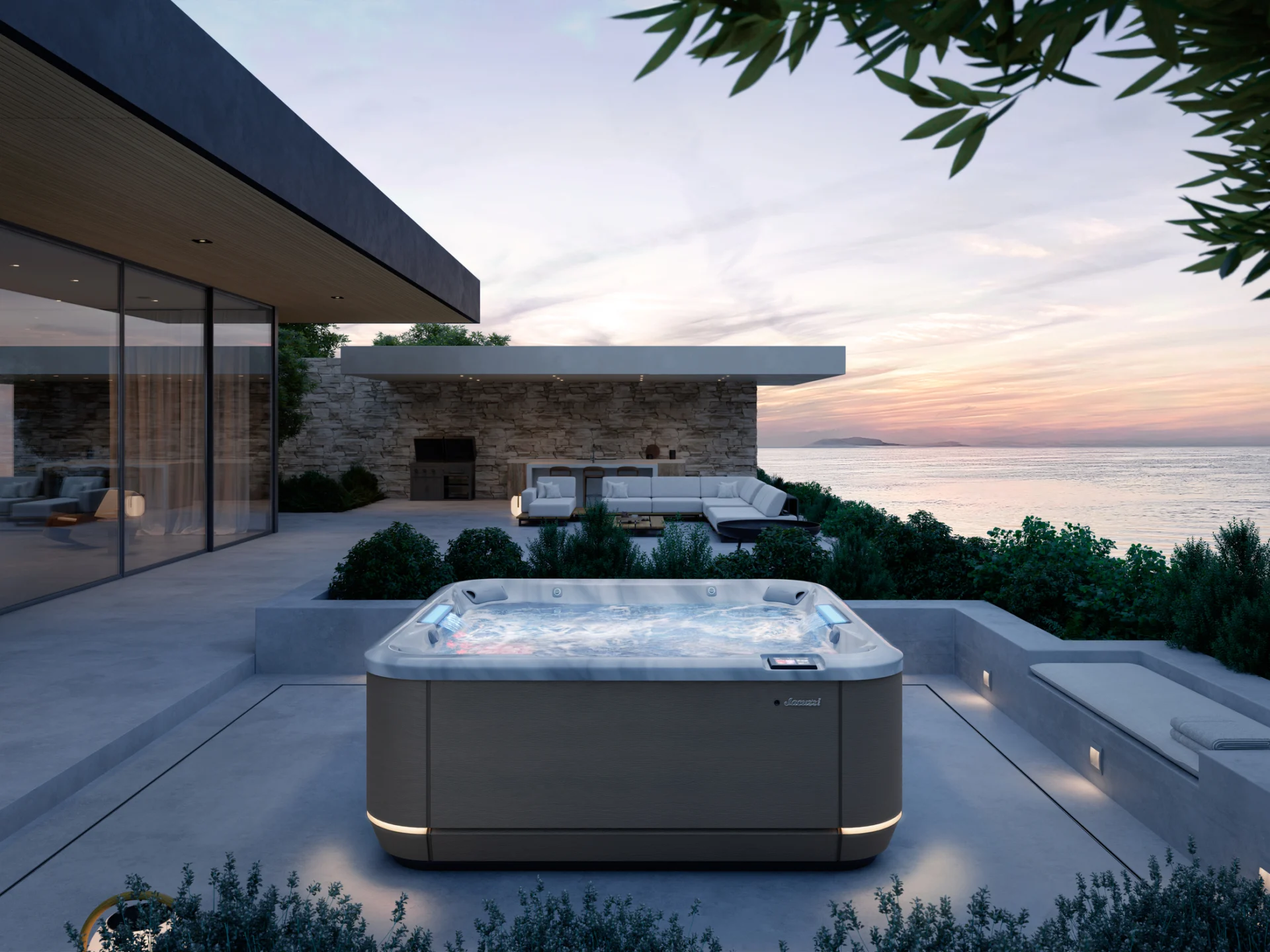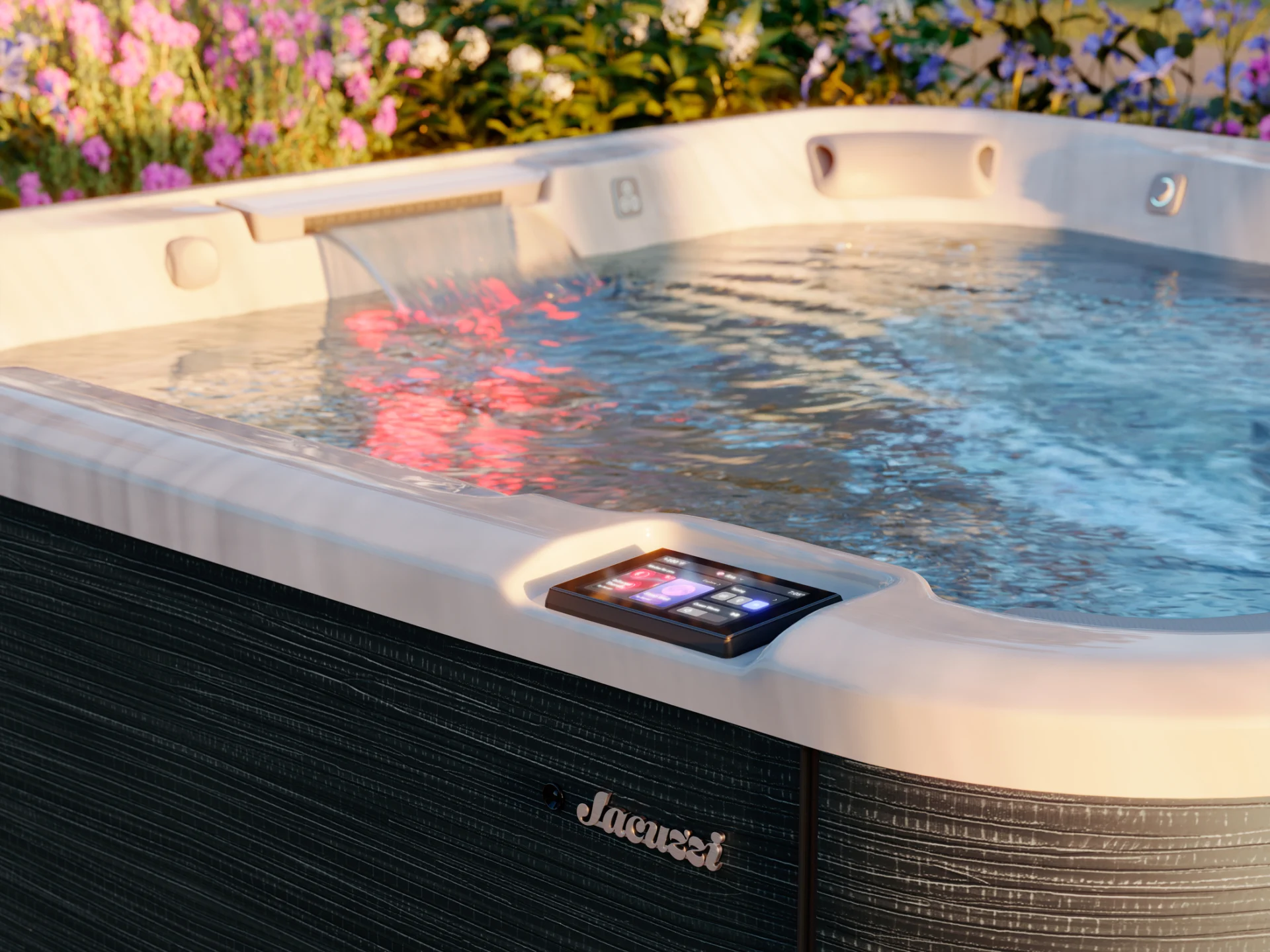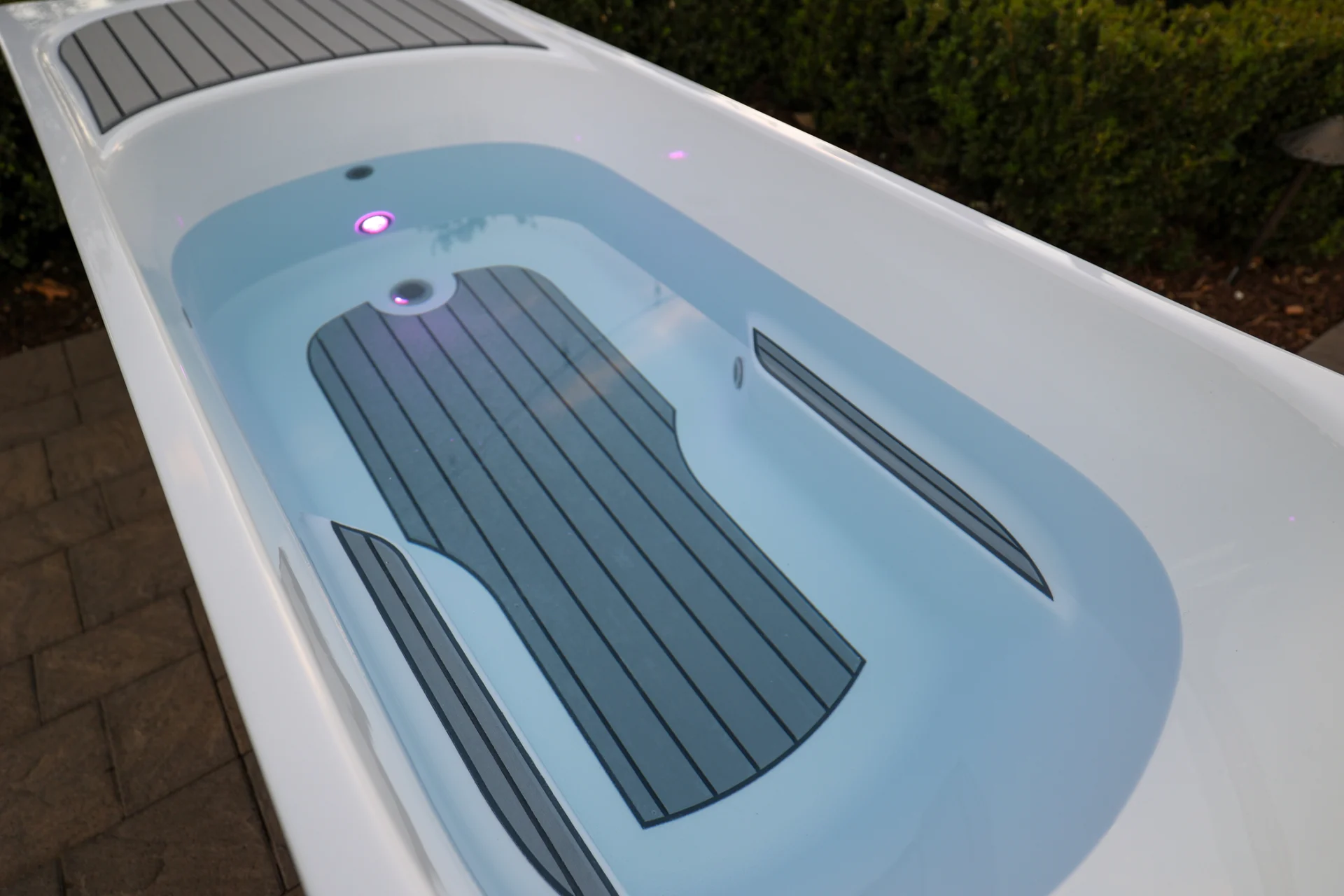
You want a genuine luxury outdoor spa experience in your own backyard, but the decisions pile up fast.
Which spa type is right for your space? What will it actually cost once installation, electrical work, and permits are factored in? This luxury outdoor spa guide answers every question that stands between you and a true backyard wellness retreat. We cover site preparation, energy-efficient equipment selection, multi-zone backyard design, and ongoing maintenance so you can move forward with confidence instead of guesswork.
By the end, you will know exactly how to build an outdoor space that delivers real health results, not just a hot tub that collects leaves.
Table of Contents
- Understanding luxury outdoor spas and wellness benefits
- Preparing your backyard for luxury spa installation
- Choosing and installing energy-efficient luxury spa equipment
- Designing your backyard as a luxury wellness spa retreat
- Maintaining your luxury outdoor spa and maximizing wellness benefits
- Why creating a backyard luxury spa is about lifestyle, not just equipment
- Explore high-end outdoor spa options at Lifestyle Outdoor
- Frequently asked questions
Key Takeaways
| Point | Details |
|---|---|
| Integrated wellness zones | Design your backyard with separate heat, cooling, and relaxation areas for a true luxury spa experience. |
| Comprehensive budgeting | Plan for installation, equipment, monthly operating, and maintenance costs to avoid surprises. |
| Energy efficiency matters | Select heat pumps and insulated covers to significantly reduce ongoing energy expenses. |
| Routine maintenance saves money | Regularly replace worn covers and balance water to sustain spa performance and savings. |
| Lifestyle over gear | Focus on measurable health benefits and holistic design, not just owning luxury equipment. |
Understanding luxury outdoor spas and wellness benefits
A luxury outdoor spa is more than a large hot tub. The best setups combine hydrotherapy pools, chromotherapy lighting (color-based light therapy shown to reduce anxiety), and optional sauna or cold plunge zones into a single, intentional wellness environment. Each feature serves a specific purpose, and knowing what those purposes are helps you spend money where it actually matters.
A true home spa retreat includes heat therapy, cooling, and relaxation zones, and the combination is what delivers measurable health benefits like better sleep and reduced stress. That distinction matters. A single-purpose hot tub is a nice amenity. A zoned backyard spa is a health tool.
When you start reviewing outdoor spa ideas, focus on features that serve real wellness goals:
- Hydrotherapy jets targeting specific muscle groups for post-workout recovery
- Chromotherapy lighting for mood regulation and evening wind-down
- Cold plunge access to stimulate circulation and reduce inflammation after heat exposure
- Sauna or steam integration for deep muscle relaxation and detoxification
- Acoustic design such as water features and outdoor speakers that reduce mental noise
The home spa essentials checklist from Lifestyle Outdoor is a practical starting point for mapping features to your actual wellness priorities. Use it before you start comparing product specs.
Having established why luxury outdoor spas matter, next we’ll explore the practical preparations before installing one.
Preparing your backyard for luxury spa installation
Site preparation is where many homeowners underestimate both the complexity and the cost. Getting this phase right protects your investment and avoids expensive corrections later.
Start with a thorough site assessment. Walk your yard and evaluate:
- Available space — most full-size luxury spas need at least a 10×10 foot footprint, with additional room around all sides for service access
- Ground level — a slope of more than a few inches requires grading or a reinforced deck structure
- Drainage — poor drainage leads to standing water under the spa pad, which accelerates wear on equipment
- Proximity to utilities — electrical panels, gas lines, and water access all affect installation cost
Budgeting accurately is the next critical step. Our spa installation preparation guide breaks down each of these phases in detail, and the hot tub pricing guide helps you compare models before you commit. Both are worth reviewing before you contact a contractor.
Pro Tip: Pull your permit before any work begins. Skipping permits may feel like a time-saver, but unpermitted electrical work on a spa can void your homeowner’s insurance and create problems when you sell the property.
Once your space is ready and budgeted, let’s dive into selecting and installing the ideal spa equipment.
Choosing and installing energy-efficient luxury spa equipment
Energy costs are the long-term factor most buyers overlook when shopping for a spa. The unit price gets the attention. The utility bill gets the shock. Choosing energy-efficient equipment from the start prevents that from happening.
The two biggest efficiency decisions are your heater type and your cover.
Heat pump technology can reduce energy consumption by up to 40% compared to traditional resistance heaters, and a quality insulating cover cuts heat loss by up to 75%, saving up to $600 annually. That combination alone can recoup hundreds of dollars every year.
| Equipment type | Efficiency advantage | Estimated annual savings |
|---|---|---|
| Heat pump heater | Up to 40% less energy use | $300 to $600 |
| Insulated spa cover | Up to 75% less heat loss | Up to $1000 |
| High-density foam insulation (full-foam spa) | Retains heat longer | $100 to $300 |
| Resistance heater (standard) | None | Baseline |
When reviewing the hot tub cover benefits, pay attention to the R-value rating (a measure of insulation resistance). A cover with an R-value of 12 or higher performs significantly better than the thin covers often bundled with entry-level units.
Installation follows a clear sequence:
- Complete site preparation, including leveling and pouring a reinforced concrete pad rated for the spa’s full water weight
- Run a dedicated 240-volt electrical circuit with a ground fault circuit interrupter (GFCI), installed by a licensed electrician
- Position the spa with a crane or spa dolly, allowing at least 12 inches of clearance on the service panel side
- Connect electrical, plumbing, and any integrated features like lighting or audio systems
- Fill the spa, balance the water chemistry, and run a full test cycle before use
Pro Tip: Request that your electrician install a time-of-use relay so your spa heats during off-peak electricity hours. In many areas this simple addition reduces monthly energy costs by 20 to 30%.
With your spa installed efficiently, the next step is to design a backyard that enhances your wellness experience.
Designing your backyard as a luxury wellness spa retreat
The difference between a backyard with a hot tub and a genuine spa retreat in nature comes down to intentional design. This is where you shift from thinking about a single product to thinking about an experience.
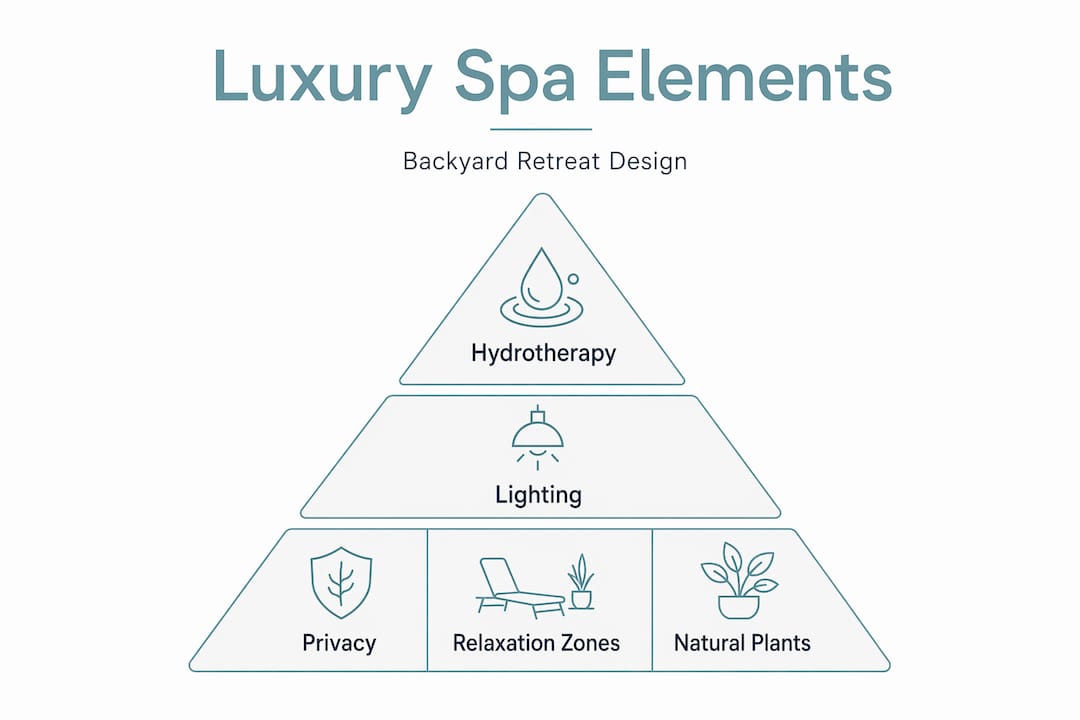
Experts emphasize zoning your backyard into heat, cooling, and relaxation areas as the foundation for transforming a simple backyard into a functional wellness destination. This is the same principle high-end resort spas use, and it translates perfectly to a private home setting.
Zone your space with purpose:
- Heat zone — your hot tub or sauna is the anchor. Position it with evening star views or a focal landscaping element like a living wall or stone feature
- Cooling zone — a cold plunge tub, outdoor shower, or shaded water feature placed within easy reach of the heat zone so the contrast therapy circuit is effortless
- Relaxation zone — lounge seating, a fire pit, or a covered daybed area where you decompress after the active phases
Ambient details make the experience complete:
- Warm LED lighting along pathways and around water features creates evening atmosphere
- Mature plants and privacy screens (bamboo, cedar panels, or pergola curtains) provide seclusion
- Plush outdoor-rated towels and robes stored in a waterproof cabinet near the spa eliminate the dash inside
- Bluetooth-connected outdoor speakers paired with ambient sound playlists extend the mental decompression
Luxury spa landscaping does not have to mean a complete yard overhaul. Even modest privacy plantings and warm accent lighting reframe how the space feels and functions. The luxury backyard wellness retreat guide offers specific plant selections, lighting ideas, and layout recommendations suited to different yard sizes.
Pro Tip: Orient your hot tub or sauna so the first view when you step out is something calming, not your neighbor’s fence or your garage door. The sightline from inside the spa shapes the entire mental experience. A simple garden partition or tall ornamental grass planting can completely transform it.
After designing your space thoughtfully, let’s cover maintenance tips and expected wellness outcomes.
Maintaining your luxury outdoor spa and maximizing wellness benefits
A well-maintained spa delivers consistent health benefits for 15 to 20 years. A neglected one becomes expensive, unhealthy, and frustrating within a few seasons. The difference is a simple weekly routine.
Core maintenance steps:
- Test water chemistry twice a week — check pH (target 7.4 to 7.6), alkalinity, and sanitizer levels using a reliable test kit
- Shock the water weekly with a non-chlorine oxidizer to break down organic contaminants from regular use
- Rinse filter cartridges every two weeks and deep-clean them monthly with a dedicated filter cleaner solution
- Drain and refill completely every three to four months — this prevents total dissolved solids (TDS) from building up to levels that irritate skin and damage equipment
- Inspect and replace your spa cover when it starts absorbing water and feeling significantly heavier than it did when new
Replacing waterlogged spa covers can save in heating costs, and regular hydrotherapy use improves circulation, reduces muscle aches, and builds real relaxation habits over time.
Pro Tip: Track your water chemistry in a simple notebook or app. Patterns emerge fast. You will notice that after heavy use or a rainstorm, pH spikes predictably, and you can adjust proactively rather than chasing problems after the fact.
The benefits of outdoor spas extend well beyond the soak itself when you build supporting habits around them. Pairing consistent spa use with massage therapy or a short mindfulness practice in your relaxation zone amplifies the outcomes. Stock your space with hot tub accessories that make each session easier to start and harder to skip, including waterproof trays, cup holders, and headrest pillows.
“Regular hydrotherapy combined with deliberate cooling and rest cycles creates compounding wellness benefits that a single evening soak simply cannot replicate.”
Now that maintenance is clear, we provide a fresh perspective on what truly defines a luxury outdoor spa experience.
Why creating a backyard luxury spa is about lifestyle, not just equipment
Here is something most spa content will not tell you directly: the equipment is the easiest part. The homeowners who get the most out of their outdoor wellness investment are not the ones who bought the most expensive hot tub. They are the ones who designed their space around a clear wellness intention and then used it consistently.
We have seen this pattern repeatedly. Someone invests in a premium spa, installs it without thinking about zoning or ambiance, and within six months it becomes a very expensive background feature. The sessions get shorter. The maintenance slips. The cover goes on and stays on.
Contrast that with a homeowner who spends time on spa design inspiration before buying anything, maps out a deliberate heat-cooling-relaxation circuit, and treats their backyard as a true wellness environment. That setup gets used four or five times a week because the experience is genuinely worth stepping outside for.
Luxury home spas should prioritize measurable health improvements, not just relaxation, by integrating hydrotherapy and contrast therapy with dedicated wellness zones. That framing matters because it shifts the way you invest. You stop asking “which spa looks best?” and start asking “which features will I actually use to sleep better, move better, and manage stress more effectively?”
Energy efficiency belongs in this conversation too. An energy-efficient installation reduces the guilt and the operating cost that quietly discourage regular use. When your spa costs $60 a month to run instead of $180, the mental barrier to stepping in after a long day disappears.
Use the home spa essentials checklist not as a shopping list but as a wellness planning tool. What outcomes do you want? Which features and zones serve those outcomes? Start there, and the equipment decisions become straightforward.
Explore high-end outdoor spa options at Lifestyle Outdoor
You now have the knowledge to plan, install, and design a backyard spa that delivers real wellness results every week. The next step is finding the right products to bring that plan to life.
At Lifestyle Outdoor, we carry a curated selection of premium hot tubs, swim spas, and cold plunges from trusted brands, all chosen for quality, energy efficiency, and genuine wellness performance. Whether you are ready to shop luxury hot tubs or want to add a cold plunge to complete your contrast therapy zone, our team helps you find the right fit for your space and budget. Finish the picture with spa-side accessories designed to make every session effortless. Visit our showroom or explore online to start planning your retreat today.
Frequently asked questions
What is the typical cost range to install a luxury outdoor hot tub?
Installation typically costs between $8,000 and $14,000, covering the hot tub unit, electrical work, site preparation, and permits. Monthly operating costs for electricity and chemicals add $50 to $150 on top of that.
How can I reduce energy costs for my outdoor spa?
Heat pump technology reduces energy consumption by up to 40%, and pairing it with a high-quality insulating cover can save up to $600 annually by cutting heat loss by 75%. Both upgrades pay for themselves relatively quickly compared to running a standard resistance heater with a basic cover.
What design features make a backyard spa a luxury wellness retreat?
Creating distinct zones for heat therapy, cooling, and relaxation, along with ambient features like warm lighting, privacy screening, and natural landscaping, transforms a simple spa into a true home wellness environment.
How often should I replace my hot tub cover to maintain energy efficiency?
Replace your cover as soon as it starts feeling noticeably heavier and waterlogged, since a saturated cover loses its insulating ability. Replacing a waterlogged cover can save $25 to $60 each month in heating costs.