Choosing the right backyard wellness upgrade is more involved than picking a product you love at the showroom.
You need to weigh space constraints, electrical requirements, long-term maintenance, and the specific health goals you want to support. Whether you are drawn to the warm, bubbling water of a hot tub, the dry heat of a traditional sauna, or a fully designed spa retreat that combines both, each option brings genuine value alongside real planning demands.
This guide walks you through everything you need to make a confident, well-informed decision.
Table of Contents
- Criteria for choosing backyard wellness upgrades
- Hot tubs: Luxury relaxation and wellness features
- Saunas: Thermal bathing for health and relaxation
- Hot tubs vs saunas: Which is right for you?
- Designing the ultimate backyard spa retreat
- Why wellness yards offer value beyond ROI
- Explore premium backyard leisure upgrades
- Frequently asked questions
Key Takeaways About Saunas
| Point | Details |
|---|---|
| Consider space requirements | You need about 10–15 feet for both a hot tub and a sauna with comfortable circulation. |
| Budget for full installation | Expect all-in investment for mid-range hot tubs from $8,000 to $14,000 including electrical, pad, and permits. |
| Health benefits are measurable | Both hot tubs and saunas show evidence of lowering blood pressure and improving vascular function. |
| Hot tubs deliver stronger heat effects | Hot-water immersion provides stronger whole-body heat response compared to most saunas. |
| Prioritize personal value | Enjoy your upgrades for wellness and relaxation rather than just for resale value or ROI. |
Criteria for choosing backyard wellness upgrades
With the context set, let’s break down the key decision factors before exploring individual options.
Before you fall in love with a product, take a realistic look at your backyard and your lifestyle. The best wellness upgrade is the one that fits seamlessly into your daily routine and your outdoor space.
Here are the core criteria to evaluate before committing:
- Space and footprint: Hot tubs typically require a pad of at least 8×8 feet, while a two-person barrel sauna needs roughly a 6×7 footprint. Combined installations need more room.
- Electrical infrastructure: Hot tubs demand a dedicated 240V circuit with GFCI protection. Saunas, depending on type, may need 120V or 240V service.
- Permits and inspections: Most municipalities require permits for both electrical work and structural pads. Factor this into your timeline.
- Wellness goals: Are you prioritizing stress relief and joint recovery, cardiovascular support, or simply a space for family relaxation? Your answer shapes the best choice.
- Maintenance commitment: Hot tubs require regular water chemistry management (testing and balancing pH, alkalinity, and sanitizer levels). Saunas are comparatively low maintenance.
- Accessibility and layout: Think about how guests and family members move around the space. Slippery surfaces, steps, and towel storage all matter for everyday usability.
For hot tub oasis planning, thinking ahead about landscaping, privacy screening, and lighting will elevate the experience far beyond just the product itself. A luxury wellness retreat starts with good planning, not just good products.
Pro Tip: When planning your spa layout, allocate 10 to 15 feet of clear space to comfortably fit both a hot tub and a sauna with proper walkways and seating. Anything less and the area will feel cramped and frustrating to use daily.
Hot tubs: Luxury relaxation and wellness features
Now, let’s spotlight the hot tub features, benefits, and what makes them a top-tier backyard pick.
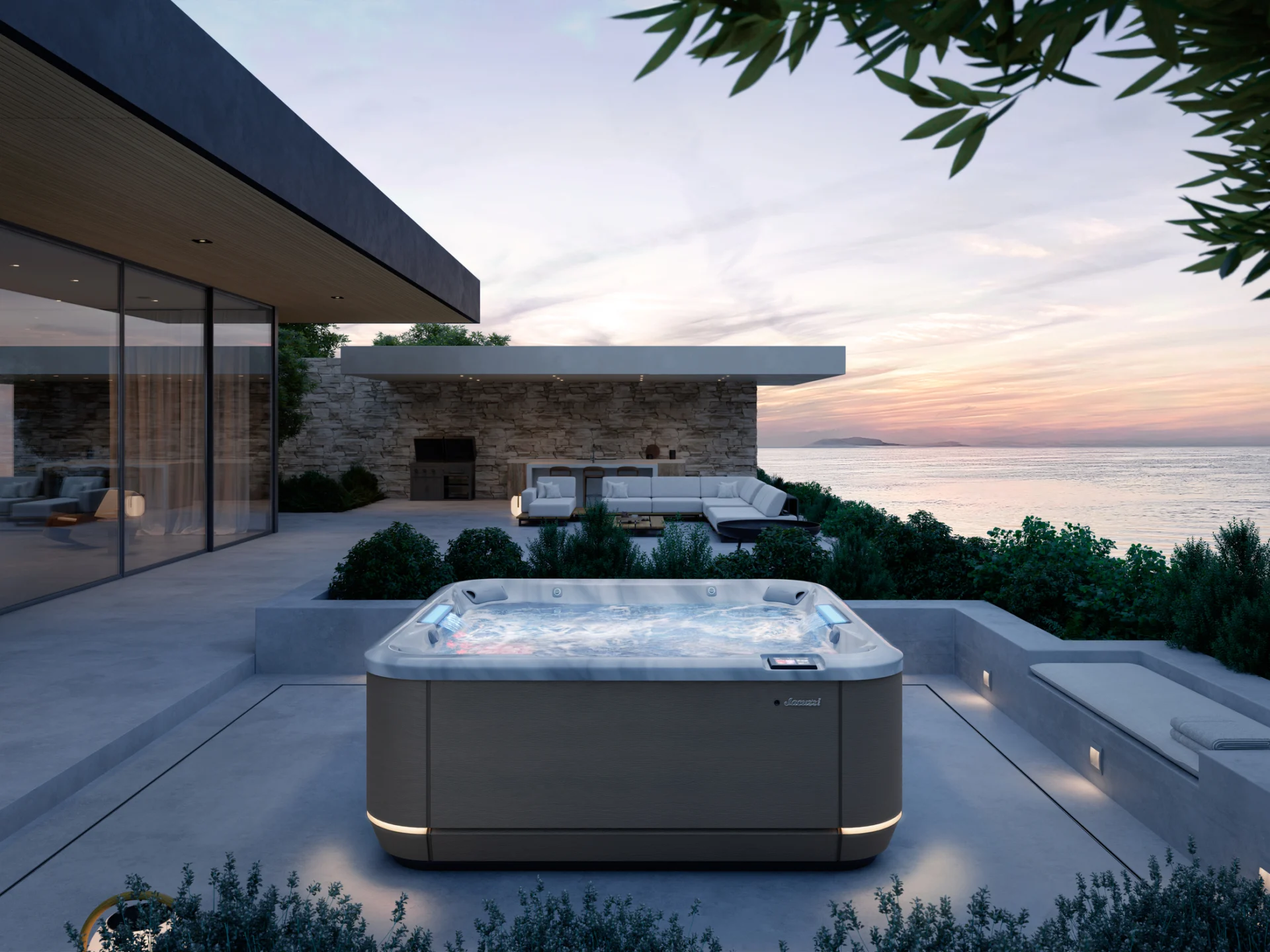
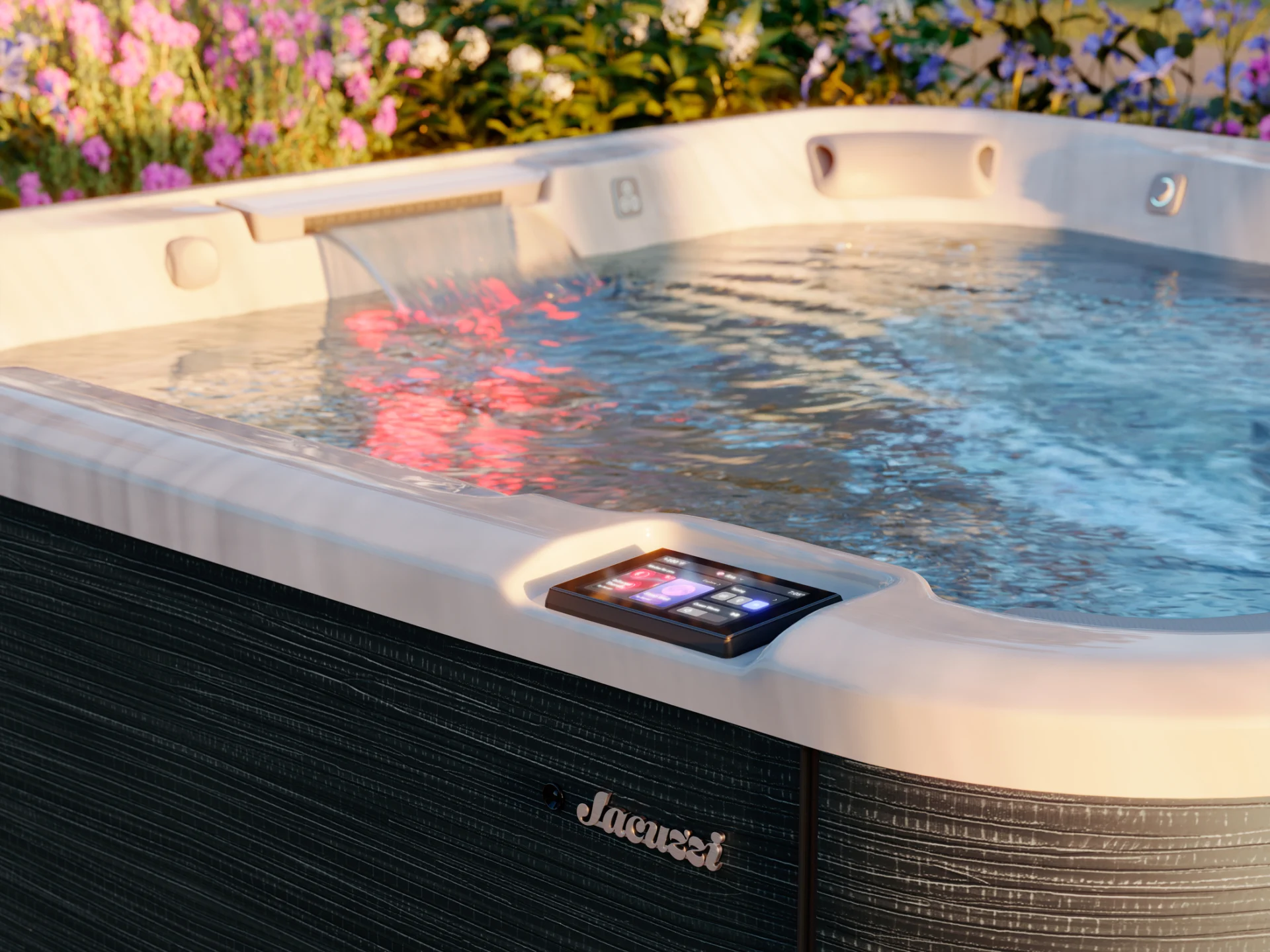
A hot tub is often the centerpiece of a backyard wellness space, and for good reason. The combination of warm water, hydrotherapy jets, and buoyancy creates a uniquely restorative experience that few other upgrades can match.
Here is a step-by-step overview of the key installation considerations:
- Site preparation: Pour a reinforced concrete pad or install a purpose-built spa base rated for the loaded weight of the tub (often 3,000 to 5,000 lbs when filled).
- Electrical service: Hire a licensed electrician to run a dedicated 240V, 50-amp circuit. NEC Article 680 governs all hot tub electrical work, requiring GFCI protection and a disconnect unit that is visible from the hot tub but positioned at a safe horizontal distance from the water.
- Permitting: Pull permits for both the electrical work and the pad or deck work. Skipping this step can complicate homeowner’s insurance claims and future home sales.
- Delivery and placement: Coordinate crane or dolly access before the landscaping goes in. Moving a hot tub after the yard is complete is expensive and difficult.
- Fill, startup, and water chemistry: Balance your water chemistry before the first use and establish a weekly maintenance routine to keep the tub safe and inviting.
The health case for hot tubs is strong and well documented. Regular soaking supports stress reduction, eases muscle tension, and promotes better sleep. Hot tub health benefits extend to cardiovascular support as well, with warm water immersion gently raising heart rate and improving circulation in a low-impact way.
From a budget standpoint, installation costs for the electrical work alone typically run $800 to $2,200, with all-in installed costs for mid-range setups often landing in the $10,000 to $14,000 range. Understanding hot tub electricity costs is also smart planning: most efficient models run between $50 and $150 per month depending on climate and usage frequency.
Pro Tip: Mid-range hot tubs with quality insulation and energy-efficient pumps keep running costs at the lower end of that range. Spending a little more upfront on a well-insulated shell pays off quickly in monthly energy savings.
Saunas: Thermal bathing for health and relaxation
With hot tubs covered, let’s see how saunas stack up for health-focused backyard upgrades.
Saunas have been a cornerstone of wellness culture for centuries, and modern outdoor sauna options make them more accessible than ever for residential backyards. The three main types you will encounter are:
- Traditional Finnish saunas: Use a wood-burning or electric stove to heat rocks, generating dry heat with low humidity (10 to 20%). Temperatures typically reach 160 to 190°F. These are the classic choice for purists.
- Infrared saunas: Use infrared panels to heat the body directly rather than the surrounding air. They operate at lower temperatures (120 to 140°F), making them more comfortable for extended sessions and easier on the electrical system.
- Combination saunas: Offer both traditional and infrared heating elements in one unit, giving you flexibility depending on how you feel each session.
The health evidence behind sauna use is compelling. Passive heat therapy is associated with measurable improvements in blood pressure and vascular function, according to a 2022 journal study. That means regular sauna sessions are doing real work for your cardiovascular health, not just helping you unwind.
“Passive heat therapy lowers blood pressure and improves vascular function, with benefits observed in habitual hot tub and sauna users.” — Journal of the American Society of Nephrology, 2022
For those wondering whether to prioritize a sauna or a hot tub from a health standpoint, it is worth noting that hot water immersion produces a stronger whole-body heat response than dry or far-infrared sauna exposure, according to 2025 research. That said, saunas offer their own unique advantages, including detoxification support and deep muscular relaxation from dry heat.
Installation for a prefabricated outdoor sauna is relatively straightforward compared to a hot tub. Most barrel and cabin-style saunas arrive as modular kits. You will still need an electrical connection for the heater (typically a 240V circuit for traditional models), a level gravel or concrete base, and adequate ventilation. Permits may be required depending on your local municipality, so always check with your city or county building department before installation begins.
For a side-by-side look at how these two wellness products compare on health outcomes, our hot tubs vs sauna health benefits resource covers the topic in detail.
Hot tubs vs saunas: Which is right for you?
Having reviewed both upgrades in detail, a direct comparison will clarify which is ideal for your needs.
Here is a direct side-by-side comparison to help you evaluate both options against your priorities:
| Feature | Hot tub | Sauna |
|---|---|---|
| Primary health benefit | Hydrotherapy, joint relief, circulation | Cardiovascular support, detox, relaxation |
| Typical footprint | 7×7 to 9×9 ft (plus surround) | 5×7 to 8×8 ft |
| Purchase & Install Cost | $10,000 to $20,000+ | $3,000 to $10,000 |
| Monthly running cost | $50 to $150 | $20 to $60 |
| Maintenance effort | Weekly water chemistry | Low; occasional cleaning |
| Heat type | Warm water immersion | Dry or infrared heat |
| Social capacity | 4 to 8 people | 2 to 6 people |
| Best for | Relaxation, recovery, social use | Cardiovascular focus, solo sessions |
Current research from 2025 points to hot water immersion producing a stronger whole-body thermal response than sauna exposure, which matters if cardiovascular benefit is your top priority. That said, many wellness-focused homeowners install both and rotate between them for a complete thermal bathing practice.
Here is a simple guide to matching the right upgrade to your goals:
- You want daily stress relief and social soaking: A hot tub is your primary choice. The combination of jet massage, buoyancy, and warm water is hard to beat for end-of-day unwinding with family or friends.
- You are focused on cardiovascular health and detoxification: A sauna delivers consistent dry heat sessions that support heart health and promote sweating. Infrared models are particularly accessible for beginners.
- You want the most complete wellness experience: Install both. Position the sauna for pre-heating before a cool-down plunge or hot tub soak. This contrast therapy approach maximizes the physiological benefits of both modalities.
- You have a limited budget: Start with the hot tub. It offers greater versatility and social value, and a sauna can always be added later as a second phase.
For more guidance on this decision, our hot tub vs spa comparison breaks down the nuances further, and our backyard retreat inspiration gallery gives you a visual sense of what is possible.
Designing the ultimate backyard spa retreat
Once you know what to choose, combine these features into a seamless backyard layout for maximum impact.
The difference between a good backyard and a truly great one comes down to intentional design. A hot tub sitting on a plain concrete slab does its job. A hot tub nestled into a cedar deck with privacy fencing, ambient lighting, and a sauna cabin nearby becomes a retreat you actually look forward to using every single day.
Here is a reference table for planning a combined hot tub and sauna layout:
| Feature | Minimum space | Recommended space |
|---|---|---|
| Hot tub pad and surround | 10×10 ft | 12×12 ft |
| Sauna cabin and access | 8×8 ft | 10×10 ft |
| Walkway between features | 3 ft | 4 to 5 ft |
| Seating and accessory area | 6×6 ft | 8×10 ft |
| Total combined footprint | ~300 sq ft | ~450 sq ft |
Planning for adequate combined space of 10 to 15 feet between features ensures comfortable circulation and makes the entire space feel intentional rather than crowded.
Beyond dimensions, consider these design elements to elevate your retreat:
- Privacy screening: Cedar fencing, pergolas, or tall ornamental grasses create a sense of seclusion without blocking airflow.
- Lighting: Low-voltage pathway lights and LED strip lighting inside the sauna and hot tub surround extend usability into evening hours.
- Outdoor shower: A simple cold-water shower between the sauna and hot tub makes contrast therapy effortless and keeps your hot tub water cleaner.
- Towel and accessory storage: Built-in benches with storage underneath keep towels, robes, and water bottles close at hand.
- Landscaping integration: Native plants, bamboo, and stone work naturally around wellness features and require minimal upkeep.
Our backyard upgrade guide and custom backyard design resources are excellent starting points for developing a layout that reflects your personal style and practical needs.
Why wellness Spaces offer value beyond ROI
Here is an honest perspective that often gets overlooked in conversations about backyard upgrades: the return on investment question is the wrong starting point.
Homeowners frequently ask, “Will a hot tub add value to my home?” The truthful answer is nuanced. Wellness yard trends are gaining mainstream attention in home design journalism, but hard data on resale value for these specific features is still emerging and highly context-dependent. What sells well in one market may barely move the needle in another.
What is not uncertain is the daily value you create for yourself. A hot tub used three times a week provides real, measurable health benefits across months and years of consistent use. A sauna cabinet that becomes part of your evening wind-down routine changes how you sleep, how you recover from exercise, and how you manage stress. These are not marketing claims. They are outcomes backed by the thermal bathing research we cited earlier.
We believe the better framing is this: invest in your wellness yard because you intend to use it regularly and because the quality of life gain is worth the cost to you. If the home value follows, that is a welcome bonus, not the primary justification. Homeowners who approach it this way tend to make better product choices, invest in features they will actually use, and end up far more satisfied with the result.
The best wellness retreats we see come from homeowners who bought something they love, not something they thought would impress future buyers. Build your personal wellness retreat around your lifestyle first.
Explore premium backyard leisure upgrades
Ready to turn your backyard into a personal wellness sanctuary? At Lifestyle Outdoor, we specialize in exactly that.
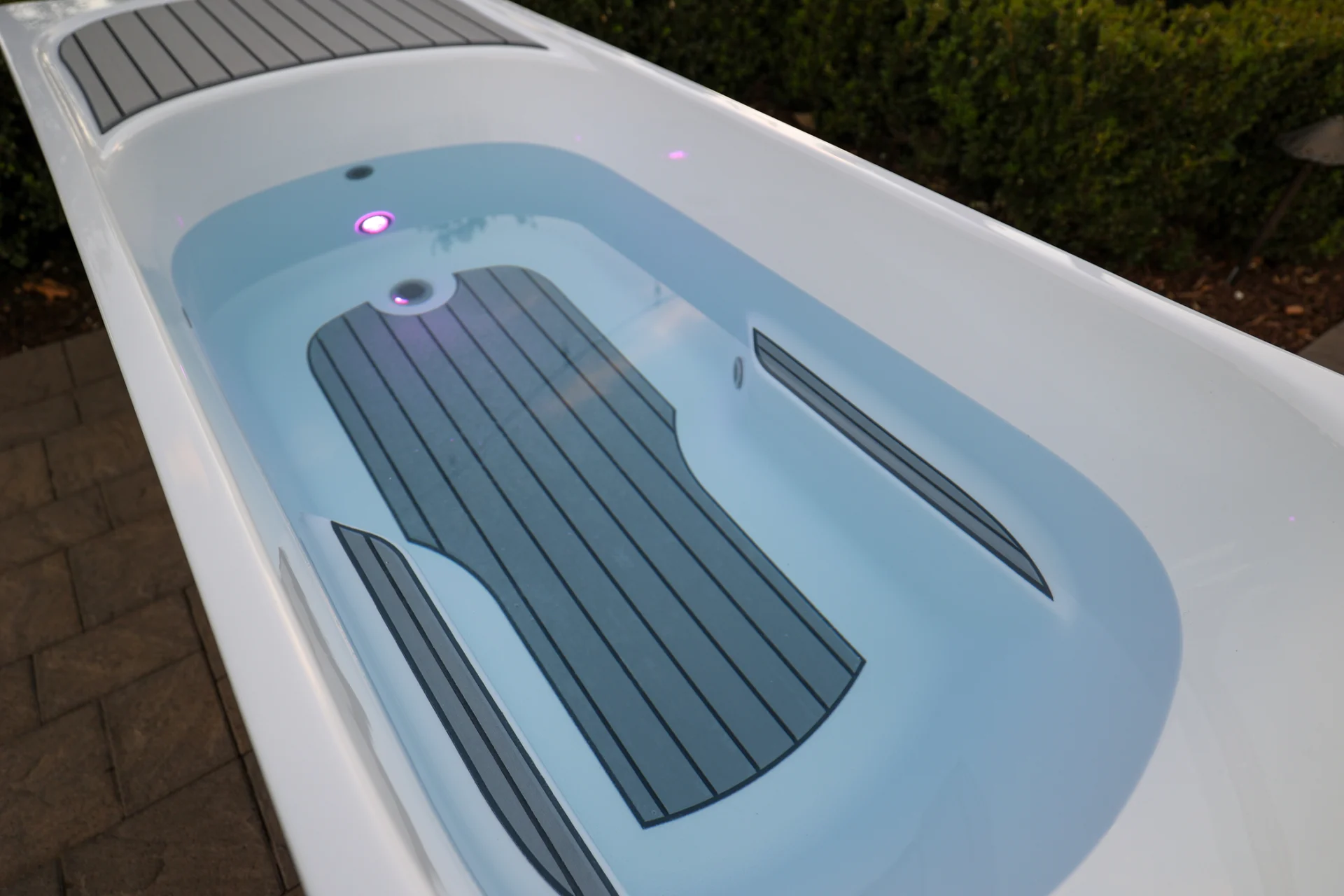
Whether you are ready to shop hot tubs for that perfect centerpiece, explore our full selection when you shop saunas for health-focused thermal bathing, or find something with even more versatility when you shop swim spas for exercise and relaxation in one package, we have options at every price point and for every backyard size.
Our team is here to guide you through product selection, layout planning, and installation. Visit a showroom or connect with us online to get started.
Frequently asked questions
How much space is needed for both a hot tub and sauna?
You should plan for at least 10 to 15 feet to fit both a hot tub and a sauna with comfortable walking and seating space. More room allows for a better overall layout and a more enjoyable daily experience.
What electrical permits do I need for a backyard hot tub?
Permits are typically required for 240V circuits, with NEC 680 standards and inspections governing hot tub electrical setups including GFCI protection and proper disconnect placement. Always verify requirements with your local building department before starting work.
Are saunas and hot tubs proven to improve health?
Yes, passive heat therapy is associated with lower blood pressure and improved vascular function, according to a 2022 peer-reviewed study. Both hot tubs and saunas deliver these benefits when used regularly.
Which provides a stronger health impact, hot tub or sauna?
Current 2025 research suggests hot tub immersion produces a stronger whole-body heat and blood flow response than dry or far-infrared sauna exposure. Both are beneficial, and combining them delivers the most complete thermal wellness experience.
Is investing in backyard wellness upgrades worthwhile?
Personal enjoyment and health benefits are clear and well supported by research, but resale value gains are context-dependent and still emerging as hard data. Invest primarily for your own quality of life and treat any property value upside as a secondary benefit.