Turning your home into a personal spa sounds dreamy, until you’re standing in a cluttered bathroom wondering where to start, or scrolling through backyard installations that seem to require a contractor, an electrician, and a small fortune.
The truth is, creating a real spa-like retreat at home is absolutely within reach – with the right spa essentials, of course. Whether you want a simple Sunday evening ritual that costs less than $50 or you’re ready to invest in a hot tub and outdoor sauna setup that transforms your backyard, the key is knowing exactly what you need and in what order.
This checklist walks you through every step and the best home spa essentials to include!
Table of Contents
- How to prep your space for spa-level unwinding
- The ultimate indoor home spa essentials checklist
- Backyard spa upgrades: What you actually need
- Indoor vs. backyard spa essentials: Which is best for you?
- Maintaining your home spa: Simple tips for long-term bliss
- Our take: The truth about building your ideal home spa
- Ready to enhance your home spa? Explore your best options
- Frequently asked questions
Key Takeaways
| Point | Details |
|---|---|
| Preparation is key | Declutter and set the mood with lighting, aroma, and sound to maximize relaxation for any home spa. |
| Choose essentials wisely | Focus on core spa items indoors and invest carefully in backyard features aligned with your space and budget. |
| Compare based on your needs | Side-by-side, indoor spas are flexible and affordable while backyard setups require more space, money, and planning. |
| Maintenance matters | Routine cleaning and care keep your home spa inviting and enjoyable for the long term. |
| Start simple, expand later | Begin with foundational rituals before committing to major backyard investments or upgrades. |
How to prep your space for spa-level unwinding
Before you buy a single bath bomb or call a contractor, the space itself needs attention. A cluttered, chaotic room cannot deliver the calm you’re after. Start by clearing out anything that doesn’t belong. Remove laundry, stray toiletries, and anything that reminds you of your to-do list.
Once the space is clean, layer in the sensory details that signal relaxation to your brain. Lighting matters more than most people realize. Swap harsh overhead bulbs for warm, dimmable options or simple candles. Follow our outdoor lighting tips for ideas that work both inside and outside. A curated playlist or nature soundscape running softly in the background completes the shift from ordinary room to retreat.
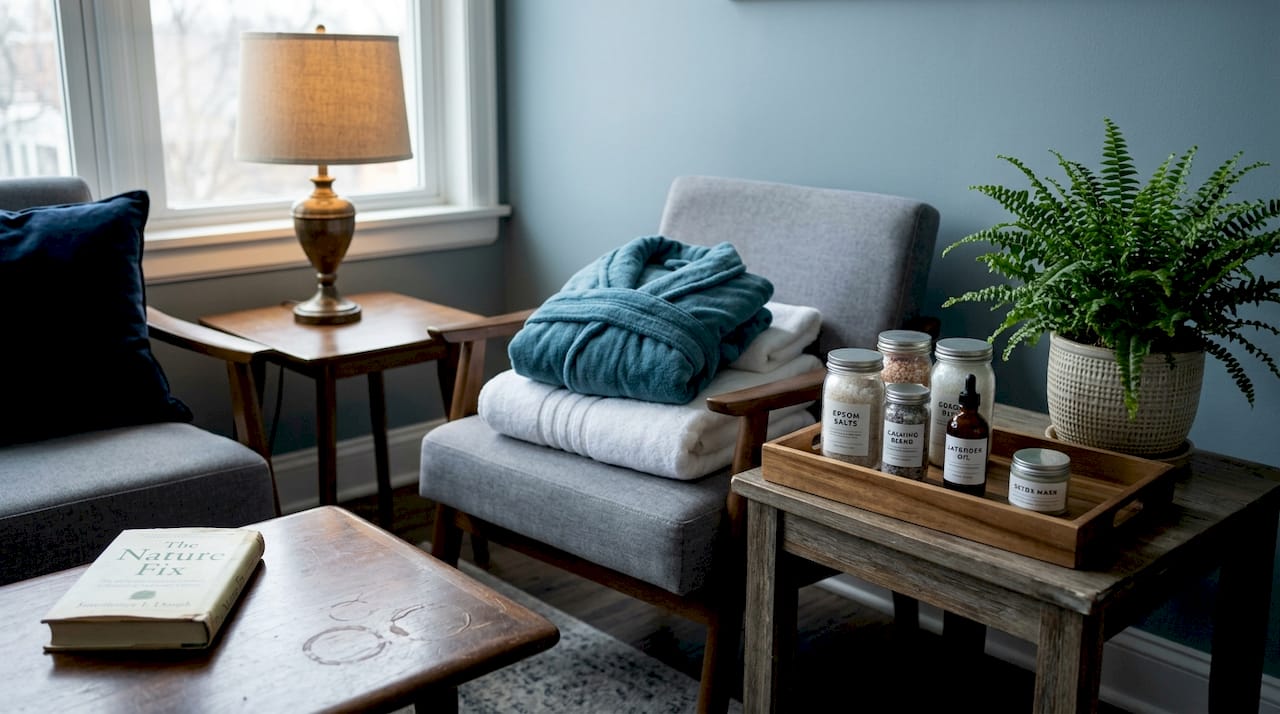
Indoor home spa essentials include soft lighting, fluffy towels, a bathrobe, and sensory additions like essential oils and candles. These are low-cost, high-impact changes that take less than an hour to set up.
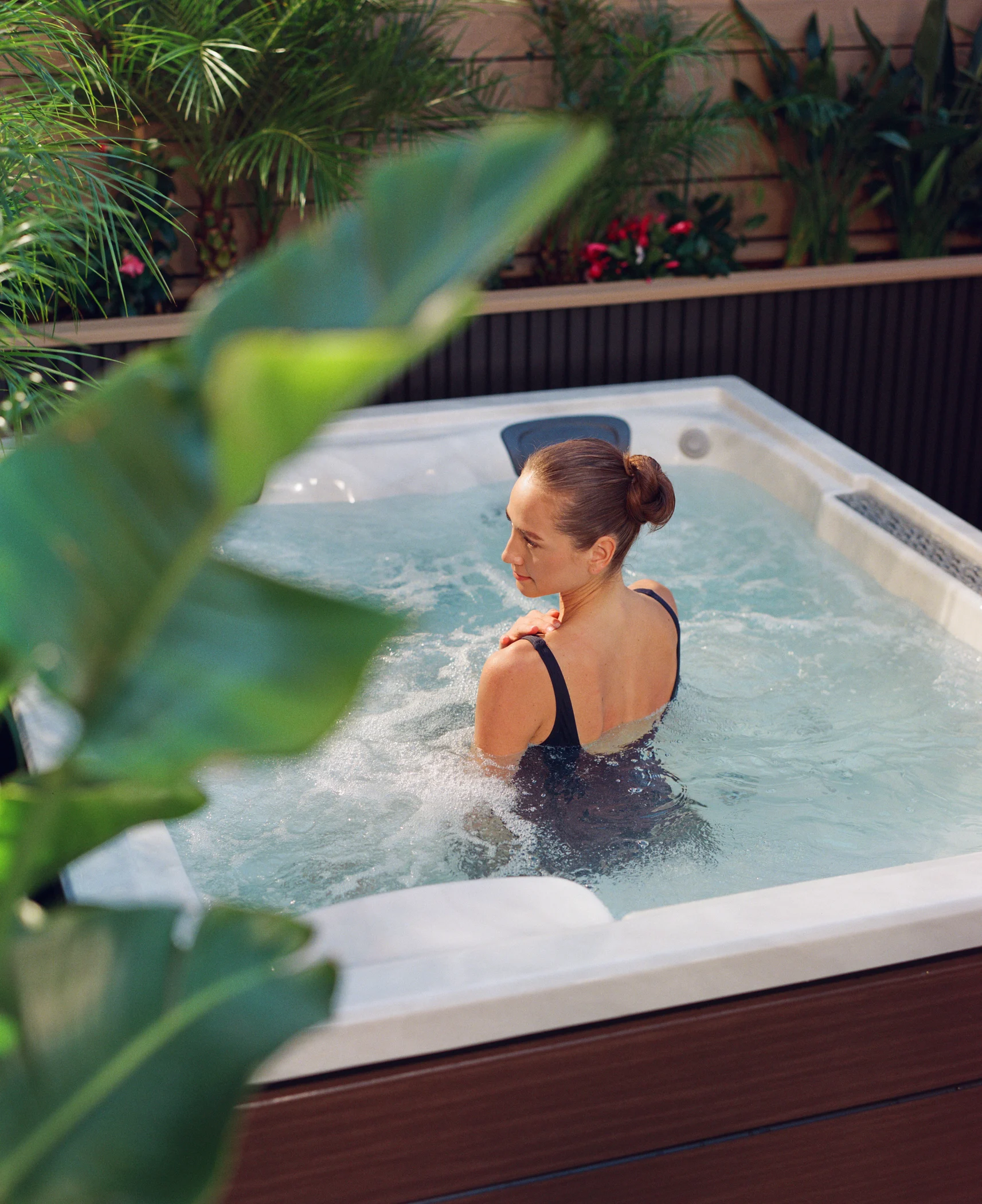
For a backyard setup, the preparation is more involved. According to backyard spa installation guidance, you’ll need a solid, level foundation such as a 4-inch concrete pad or reinforced deck, a dedicated 220 to 240V GFCI-protected electrical circuit installed by a licensed electrician, a clear delivery path, and local permits. The planning phase alone can take several weeks, so build in extra time before your target installation date.
Key backyard prep essentials at a glance:
- Level foundation (concrete pad or reinforced deck)
- Licensed electrician for dedicated circuit
- Verified delivery access route
- Local permits secured in advance
- At least 6 to 8 feet of clearance for the unit plus surrounding access
Pro Tip: If you’ve never had a spa experience at home before, start with an indoor setup for a few months. You’ll learn exactly what elements you use and enjoy before committing to a larger backyard investment. Read our backyard spa setup guide when you’re ready to take that step.
The ultimate indoor home spa essentials checklist
With your space ready, you can now layer in the essential elements for a soothing indoor spa. The good news is that a genuinely restorative indoor spa experience doesn’t require a bathroom renovation. What it does require is intentionality: the right items, arranged thoughtfully, used consistently.
Here’s a numbered checklist you can work through at any budget:
- Soft lighting: Dimmable lamp, string lights, or a cluster of candles. Aim for warm tones, not blue-white light.
- Plush towels and a bathrobe: A thick, oversized towel makes every bath feel elevated. A robe keeps you cozy between steps.
- Skincare routine: Cleanser, exfoliator, a sheet mask or clay mask, and a good moisturizer. These don’t need to be expensive to work well.
- Bath additives: Core indoor essentials include Epsom salts for muscle relief, bath bombs for fun and fragrance, and a few drops of essential oil like lavender or eucalyptus.
- Aroma diffuser or candles: Scent is one of the fastest ways to shift your mental state. Choose one signature scent for your spa evenings.
- A relaxation playlist: Lo-fi music, nature sounds, or guided meditation tracks. Set it to play quietly in the background.
- Herbal tea or sparkling water: A warm drink signals your body to slow down.
- A waterproof caddy or tray: Keep everything within reach so you don’t break the mood reaching across the room.
Budget options are plentiful here. You can build a full indoor spa kit for under $50 by choosing store-brand bath salts, a discounted candle set, and a simple cotton robe. The experience is about the ritual, not the price tag.
For maintaining your indoor spa items over time, check out our indoor spa maintenance tips and advice on cleaning spa filters if you’ve added a portable hot tub or jetted bath to your setup.
Pro Tip: Rotate your scents and playlists every few weeks. Novelty keeps the experience feeling fresh and prevents sensory fatigue, which is what happens when your brain stops registering familiar smells or sounds as relaxing.
Backyard spa upgrades: What you actually need
If you’re dreaming bigger, transforming your backyard is your next step. Let’s break down what that actually takes, what it costs, and what the must-haves are before you spend a dollar on décor.
The non-negotiables come first. As mentioned in the prep section, a proper backyard spa requires a level foundation, a licensed electrician for the electrical work, clear delivery access, and permits. Skipping any of these isn’t just inconvenient, it can be dangerous or even void your warranty.
One of the most overlooked facts in backyard hot tub planning: a filled hot tub weighs between 2,000 and 8,000 pounds. That number surprises most people. It means your deck, patio, or ground surface must be assessed for structural load capacity before installation. A standard residential deck is often not rated for that weight without reinforcement.
It’s also worth noting that demand for spa-inspired home features is surging. Searches for wellness features like spa-inspired bathrooms and backyard hot tubs have increased by 22 to 33% according to Zillow data, reflecting a nationwide shift toward prioritizing home wellness investments.
Here’s a quick cost and requirements comparison across setup types:
| Setup type | Estimated cost | Space required | Key requirements |
|---|---|---|---|
| Indoor spa kit | $30 to $150 | Existing bathroom | Minimal, storage only |
| Portable hot tub | $500 to $2,000 | 6 x 6 ft flat surface | Level ground, nearby outlet |
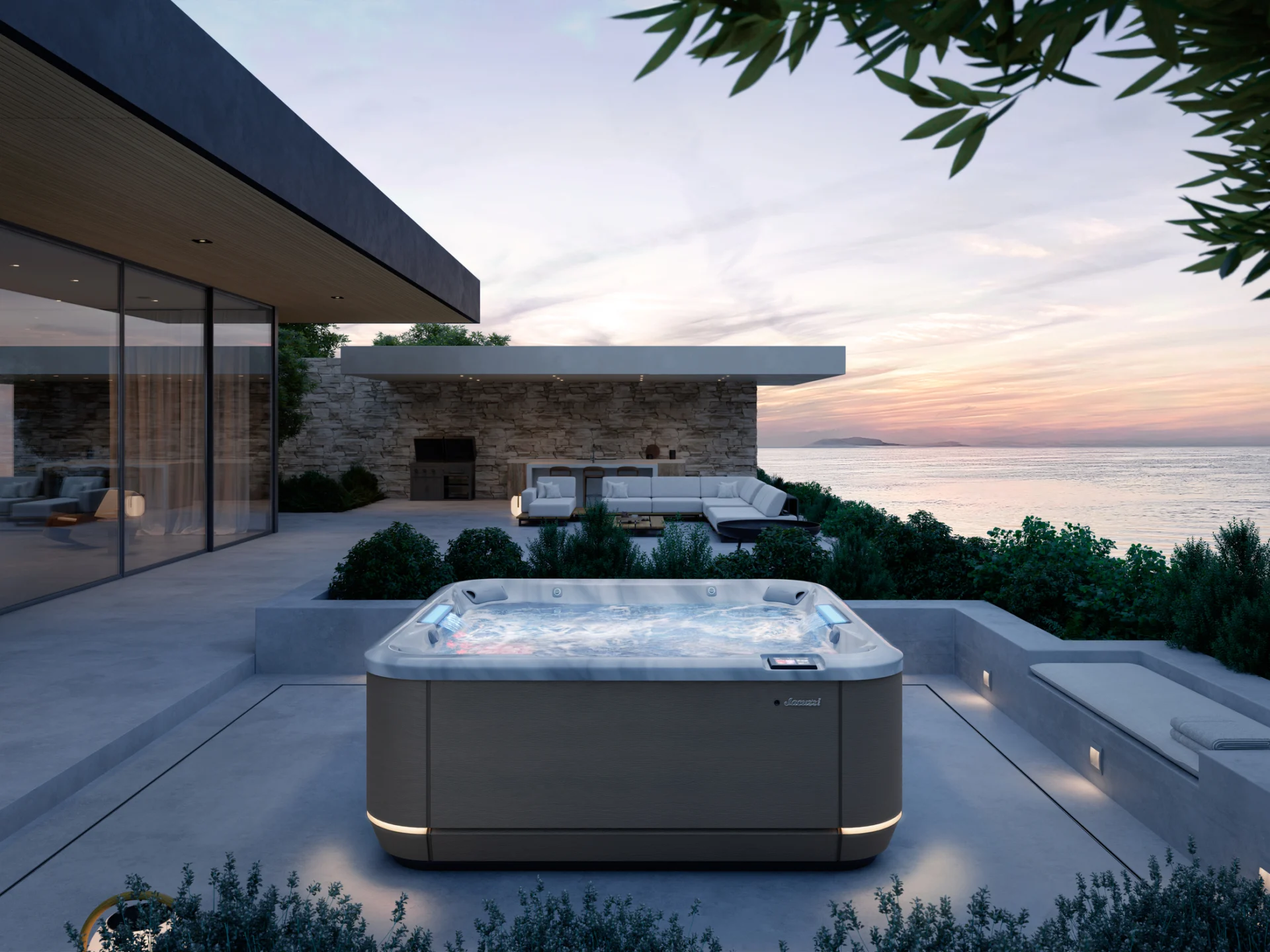
| Backyard hot tub | $8,000 to $20,000+ | 6 to 8 ft + access | Foundation, permits, electrician |
| Outdoor sauna | $3,000 to $10,000+ | 8 x 8 ft minimum | Dedicated circuit, ventilation |
Once the structural and mechanical requirements are met, you can focus on the features that make a backyard spa genuinely enjoyable. Privacy and lighting upgrades are among the most impactful additions you can make.
Backyard spa enhancement checklist:
- Privacy screens, fencing, or tall hedging for seclusion
- Waterproof, dimmable outdoor lighting (string lights, recessed deck lights, or LED step lights)
- Comfortable outdoor seating for pre and post soak relaxation
- Waterproof storage for towels, robes, and spa accessories
- Outdoor shower for rinsing before entering the hot tub
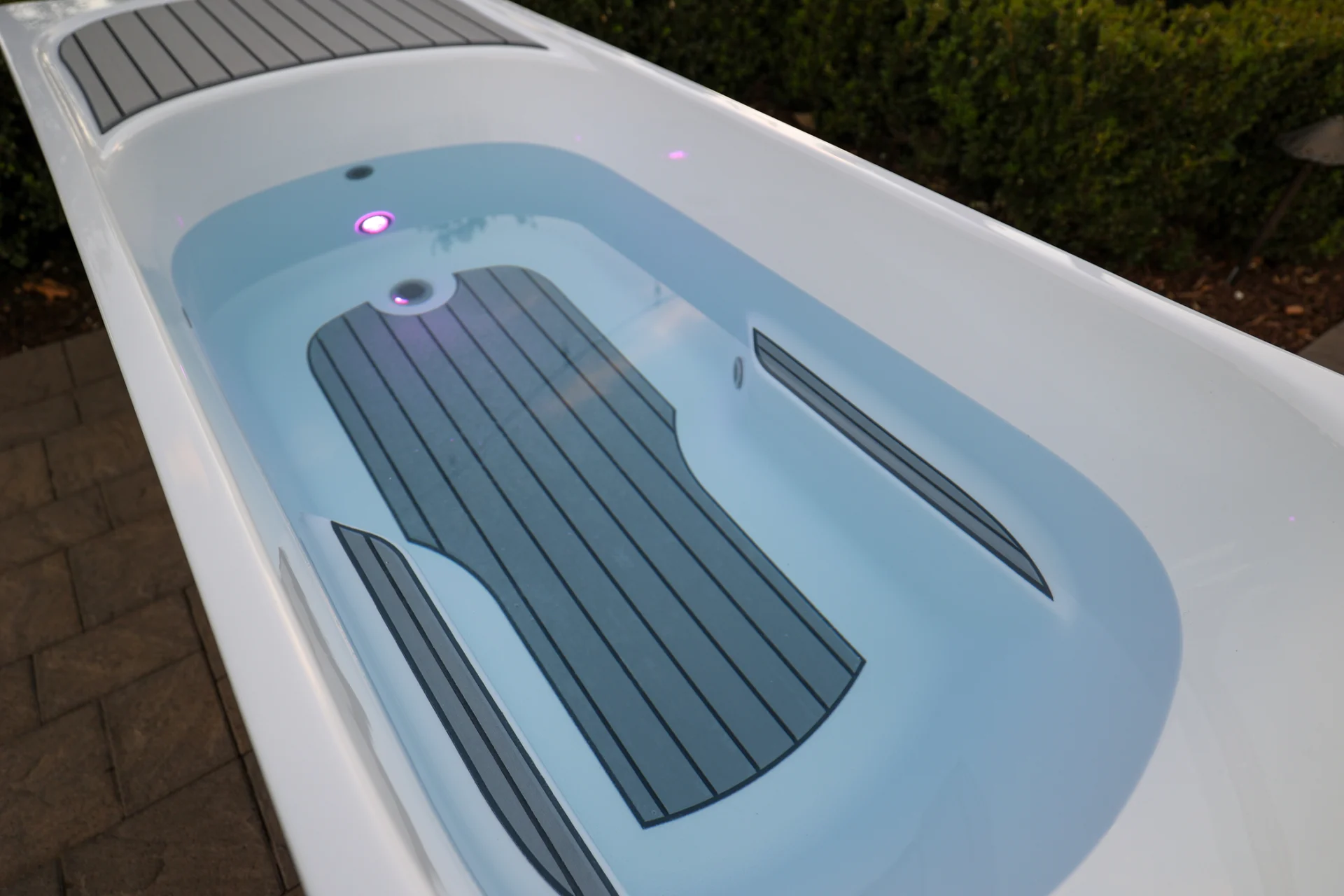
- Non-slip mat or decking around the perimeter
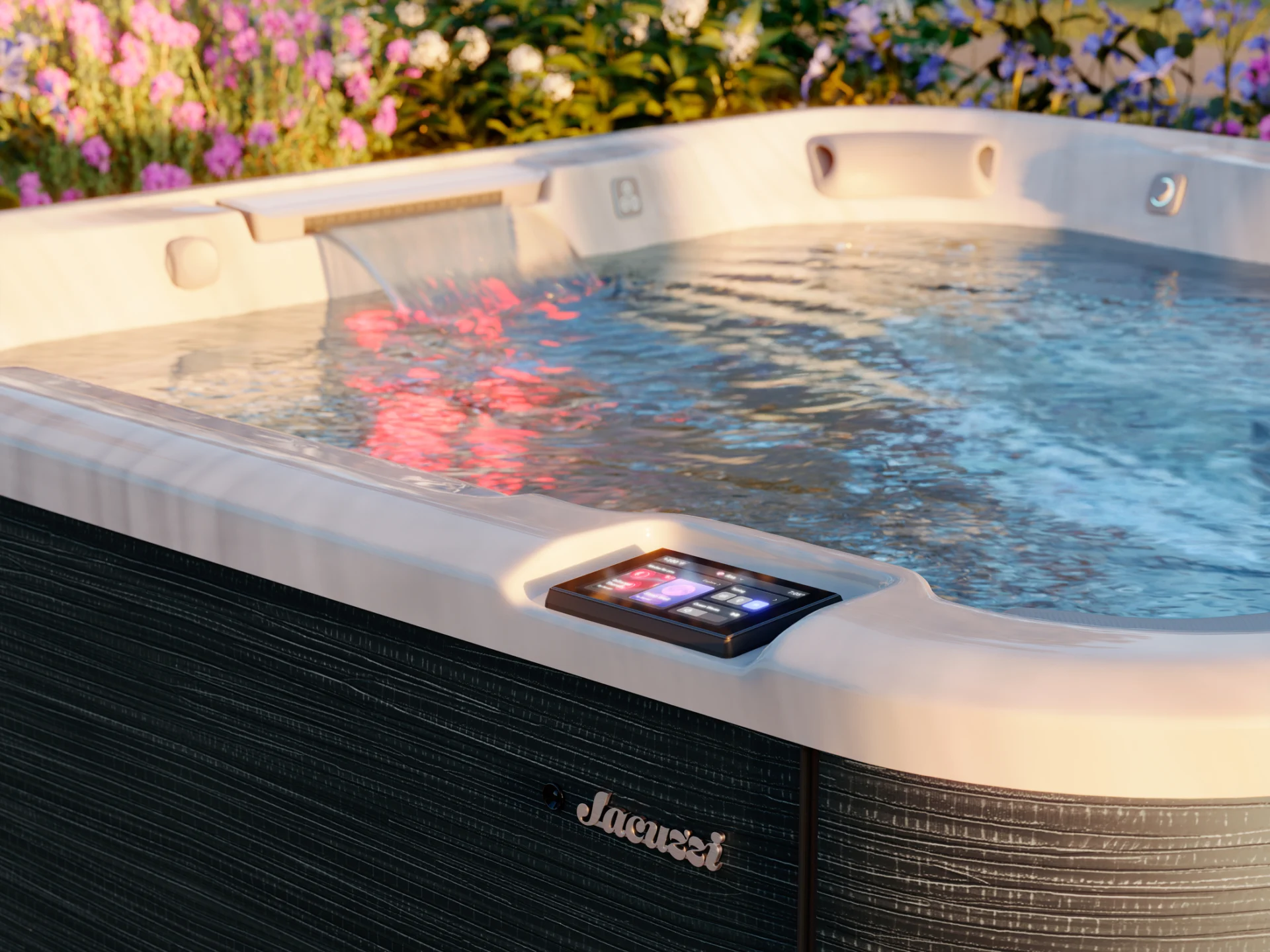
Portable hot tubs are a great middle-ground option. They don’t require a concrete foundation, just a level and stable surface, and many models run on a standard 110V outlet. They offer a genuine hot tub experience at a lower entry cost, making them ideal for renters or anyone not ready for permanent installation. Learn more about choosing a hot tub that fits your space and goals, or review the full hot tub installation steps before making your decision.
Indoor vs. backyard home spa essentials: Which is best for you?
Still undecided? Work through this simple checklist:
- Do you have outdoor space that is at least 10 x 10 feet and accessible? If no, start indoors.
- Are you comfortable with a multi-week installation process and coordinating with contractors? If no, start with a portable or indoor option.
- Is your goal primarily solo relaxation or social soaking with family and friends? Social goals point toward a backyard hot tub.
- Do you want year-round use regardless of weather? A quality hot tub with a good cover handles cold climates well.
- Are you ready to maintain water chemistry and perform regular equipment checks? If yes, a backyard hot tub is a great fit.
For more on maximizing your home spa investment once you’ve made your choice, we have a dedicated resource that covers both routine enjoyment and smart use of features.
Maintaining your home spa: Simple tips for long-term bliss
No matter which spa style you choose, maintaining your oasis is crucial. The good news is that a simple, consistent routine keeps everything fresh and inviting without taking over your weekends.
For indoor spas, the maintenance approach starts with keeping the space clean and decluttered, refreshing consumables regularly, and cycling through scents and products to prevent sensory fatigue. A once-a-week reset takes about 15 minutes and keeps the energy of the space feeling intentional.
For backyard hot tubs and saunas, the routine is more involved but becomes second nature quickly. Here’s what to stay on top of:
- Water chemistry: Test pH and sanitizer levels two to three times per week. Balanced water protects both you and the equipment.
- Filter cleaning: Rinse filters every two weeks and deep-clean them monthly. Explore our hot tub cleaning tips for the full process.
- Water changes: Drain and refill your hot tub every three to four months depending on usage frequency.
- Cover care: Wipe down your cover regularly to prevent mold and UV degradation. Our guide on spa cover cleaning advice makes it simple.
- Seasonal checks: Before winter, inspect jets, seals, and insulation. After winter, check for any weather-related wear.
- Consumable refresh: Replace bath salts, candles, and towels regularly. Fresh supplies reinforce the spa feeling every time you use the space.
For complete spa water care tips, including how to handle cloudiness, foam, and odor issues, we’ve got a detailed resource ready for you.
Pro Tip: Block a recurring time on your calendar for both your spa session and your quick maintenance check. When relaxation and upkeep happen in the same scheduled window, you’re far more likely to stay consistent with both.
Our take: The truth about building your ideal home spa
Here’s something we’ve noticed after working with hundreds of homeowners on spa upgrades: the people who enjoy their investments the most are not the ones who spent the most. They’re the ones who set up a space they actually use regularly.
We’ve seen beautiful backyard hot tubs that get used twice a year because the maintenance feels like a chore, or because the space isn’t private enough to feel relaxing. We’ve also seen simple indoor spa routines that genuinely transform someone’s weekly stress levels because they’ve made it a consistent ritual.
The uncomfortable truth about spa upgrades is that novelty fades fast. If a hot tub or sauna requires a 45-minute setup each time, most people stop using it within a few months. The most successful spa spaces share a common trait: they’re easy to access and simple to maintain. That’s not a compromise. That’s the design goal.
Our honest advice is to resist the urge to over-invest before you’ve built the habit. Start with an indoor ritual you genuinely enjoy three or four times a month. Once that routine is solid and you find yourself wishing for more, that’s the signal to go bigger. Knowing what ongoing spa care involves before you buy helps you choose the right product for your actual lifestyle, not just your aspirational one.
The best spa setup is the one that fits seamlessly into your life, complete with must-have home spa essentials. Not the most impressive one on your block.
Ready to enhance your home spa? Explore your best options
If this guide has sparked some inspiration, you’re in the right place to take the next step. Whether you’re leaning toward a portable unit for easy entry or ready to explore a full backyard installation, we make it easy to find the right fit.
Browse our full selection of hot tubs for sale to compare sizes, jet configurations, and price points that match your space and budget. If a sauna is calling your name, our outdoor saunas selection includes everything from compact barrel saunas to premium full-size options. Our team is available to help you work through what makes sense for your home, your backyard, and your wellness goals. You don’t have to figure it out alone.
For more information on the best home spa essentials, contact us today.
Frequently asked questions
What are the must-have home spa essentials?
Core home spa essentials can include soft lighting, fluffy towels, bath additives like Epsom salts, a good bathrobe, skincare items, soothing music, and a calming beverage. These items create a fully sensory spa experience without requiring any renovation.
Do I need a hot tub or sauna to enjoy a home spa experience?
No, many deeply relaxing rituals can be enjoyed indoors with affordable items found at any drugstore. Hot tubs and saunas add significant benefits, but under $50 in consumables can create a genuinely restorative experience.
How much space do I need for a backyard hot tub?
You’ll need at least 6 to 8 feet for the unit itself, plus additional clearance on all sides for safe access and maintenance. Plan for a minimum of 10 x 10 feet of usable outdoor space.
What does it cost to create a backyard spa?
Budget at least $5,000 for an entry-level hot tub plus $1,000 or more for electrical work and $500 or more for foundation preparation and delivery. Total costs vary widely depending on the model, site conditions, and any landscaping upgrades you add. Keep in mind that many dealers offer financing, which may provide a more comfortable approach to purchasing a higher-quality spa. Over time, you can slowly find and upgrade your home spa essentials, based on your preferences!
How can I maintain a clean and inviting home spa over time?
Stick to a regular cleaning and maintenance routine that includes water testing, filter care, and refreshing consumables like bath salts, candles, and fresh towels. Consistency is the real secret to keeping your spa space inviting.