Most homeowners assume that owning a hot tub automatically means bracing for a steep electric bill every month. That assumption keeps a lot of people from ever enjoying the relaxation and health benefits a spa can bring. But here’s what changes the picture entirely: modern eco-friendly hot tubs, built with heat pump technology, 50-80% less energy than older resistance heaters, and high-performance insulation, can deliver the same warm, soothing soak for a fraction of the cost. This article walks you through what makes a hot tub genuinely green, what savings and wellness rewards you can realistically expect, and how to make choices you’ll feel good about for years.
Table of Contents
- The hidden costs of traditional hot tubs
- What makes a hot tub eco-friendly?
- How eco-friendly hot tubs save energy, money, and the environment
- Smart decisions: Choosing and maintaining your green hot tub
- Why most people underestimate eco-friendly hot tub value
- Ready to transform your backyard with an eco-friendly hot tub?
- Frequently asked questions
Key Takeaways
| Point | Details |
|---|---|
| Big energy savings | Eco-friendly hot tubs can use 40-80% less energy, translating into lower bills. |
| Insulation matters most | Full foam insulation keeps heat in and reduces energy waste the most over time. |
| Wellness benefits | Eco hot tubs help support cardiovascular, immune, and mental health at home. |
| Best returns in cold climates | Homeowners in colder regions can see even greater energy and cost savings. |
| Sustainability boosts home value | Energy-efficient outdoor upgrades make your property more attractive and modern. |
The hidden costs of traditional hot tubs
Standard hot tubs have earned their reputation as energy hogs, and honestly, it’s not always unfair. Older models rely on electric resistance heaters that convert electricity directly into heat, one watt at a time. They also tend to use minimal insulation in the cabinet walls, meaning heat escapes constantly whether the tub is running or sitting idle.
Here’s where the electricity cost impacts add up fast. A poorly insulated tub in a cold climate can waste enormous amounts of energy just fighting heat loss through the shell, the plumbing, and the cover. The result is a heater that cycles on more frequently and works harder to maintain your set temperature.
“Cold climates amplify energy waste significantly. Poor insulation and cover conditions can cost homeowners $600 or more per year in wasted energy alone.”
The specific problem areas in traditional hot tubs include:
- Thin cabinet insulation that lets heat bleed out through the sidewalls
- Low-quality or damaged covers that allow significant heat loss through the water surface
- Electric resistance heaters that are 100% efficient at converting electricity to heat but offer no energy multiplication
- Older pump motors that run at a single high speed, using more power than necessary
- No programmable controls to lower the temperature during low-use periods
Climate plays a major role in how bad the waste gets. If you live somewhere with cold winters, your tub’s heater is fighting outside temperatures constantly. In northern states, that fight can push annual operating costs for a standard tub well above $1,200. Choosing energy-efficient hot tub covers alone can make a noticeable difference, but the real savings start when you rethink the entire system.
What makes a hot tub eco-friendly?
Eco-friendly hot tubs aren’t a single product type. They’re a collection of smart design choices that work together to hold heat, reduce energy consumption, and minimize waste. Understanding these features helps you compare models with confidence and avoid spending more than you need to.
Heater technology matters most
The single biggest factor in hot tub energy use is the heating system. Here’s how the main types compare:
| Heater type | Energy efficiency | Best climate | Notes |
|---|---|---|---|
| Electric resistance | Baseline (1:1 ratio) | Any | Cheapest upfront, highest running cost |
| Heat pump | COP 5-15 range | Above 40-45°F | Best efficiency in mild to warm climates |
| Hybrid (heat pump + resistance) | High efficiency | All climates | Heat pump leads; resistance backs up in extreme cold |
| Wood-fired | Zero electricity | Any | Requires sustainable fuel; no electric running cost |
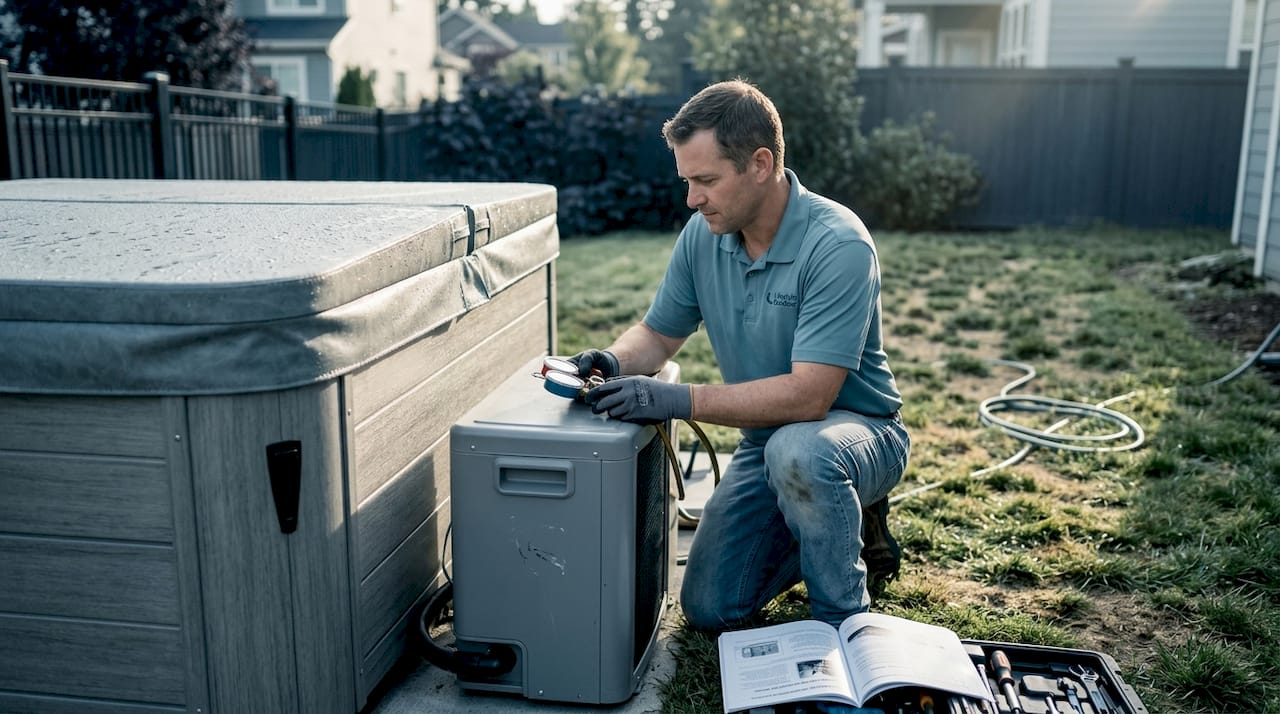
Heat pumps work by pulling warmth from the surrounding air and transferring it to your water. For every unit of electricity they use, they deliver five to fifteen units of heat. That ratio (called the coefficient of performance, or COP) is why they’re so powerful. The catch, as noted by winter hot tub users in cold states, is that efficiency drops when outdoor temperatures fall below roughly 40°F. Hybrid models solve this by switching to resistance heat as a backup only when needed.
Insulation: the often-overlooked factor
Insulation determines how well your tub holds the heat it generates. Two main systems are used in quality spas:
- Full foam insulation: The entire cabinet cavity is filled with expanding polyurethane foam, locking heat inside the shell and deadening sound. Full foam outperforms perimeter and blanket systems by two to four times over the long run because there is no thermal drift as materials settle or shift.
- Perimeter or blanket insulation: Foam panels line only the inner walls, with open air space inside the cabinet. It works initially but loses effectiveness over time as air gaps allow heat to move freely.
Pro Tip: Even the best insulation will eventually degrade. If your existing spa is more than 10 years old, check signs that your cover needs replacement and inspect the cabinet panels. A cover that has absorbed water can add 50 or more pounds and loses most of its insulating value.
Materials and design choices
Beyond heating and insulation, genuinely eco-conscious hot tubs use materials that last longer and require fewer chemical inputs to maintain. Look for:
- Variable-speed pumps that run at lower speeds during filtration cycles, using a fraction of full-speed power
- LED lighting instead of halogen, cutting lighting energy use dramatically
- Durable shell materials like acrylic or high-density polyethylene that resist UV damage and last decades
- Efficient filtration systems that clean water thoroughly without requiring constant pump cycling
Wood-fired tubs offer a zero-electricity option that appeals to homeowners who want a rustic, off-grid experience. They’re genuinely clean in terms of electric consumption, but they require sustainably sourced firewood and more active tending during use.
How eco-friendly hot tubs save energy, money, and the environment
Now that the features are clear, let’s talk about the actual numbers and the personal rewards that come with an eco-friendly upgrade.
Energy and cost savings
Here’s a realistic look at what you can expect when comparing a traditional electric-resistance hot tub to an eco-friendly model in different scenarios:
| Scenario | Traditional tub annual cost | Eco-friendly tub annual cost | Estimated savings |
|---|---|---|---|
| Mild climate, regular use | $900 | $400 | ~$500/year |
| Cold climate, regular use | $1,200 | $600 | ~$600/year |
| Cold climate, heat pump hybrid | $1,200 | $350 | ~$850/year |
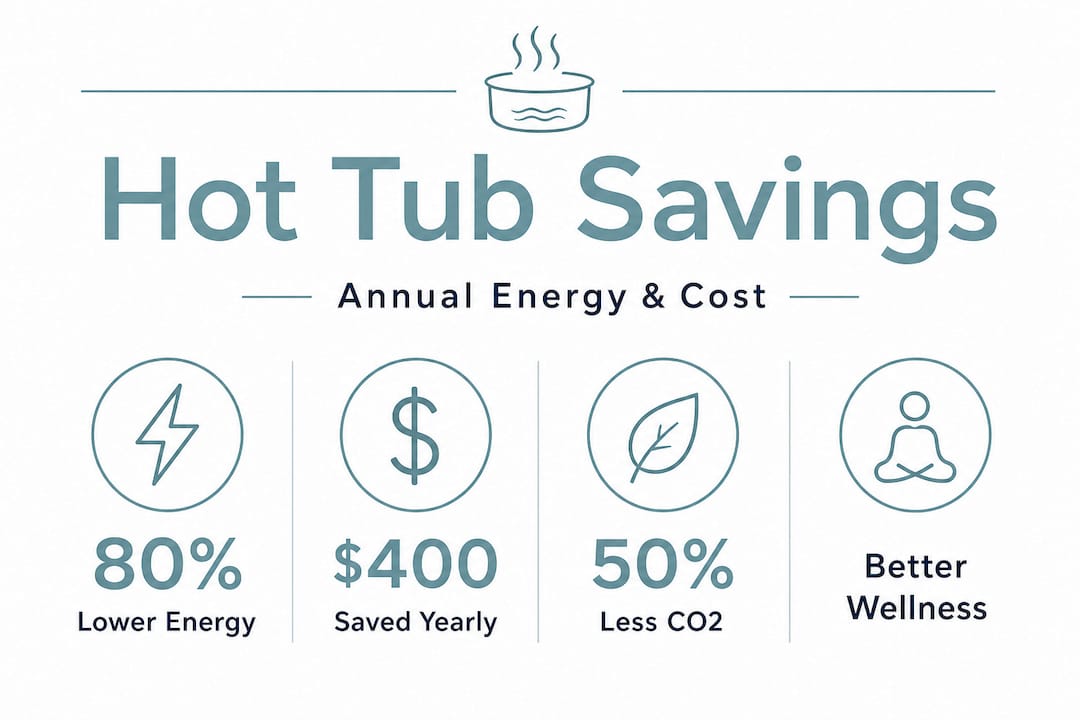
The key driver in cold climates is exactly what the research confirms: energy savings of 40-50% in colder regions are common when switching to well-insulated models with efficient heaters. Over five years, that adds up to thousands of dollars staying in your pocket rather than going to your utility company.
Environmental impact
Reducing electricity use directly lowers your household’s carbon footprint, since most U.S. electricity still comes partially from fossil fuels. An electric eco-tub cuts greenhouse gas emissions compared to a traditional model. Wood-fired tubs avoid electricity entirely but produce their own emissions during combustion, so their environmental benefit depends heavily on how responsibly the fuel is sourced.
One important note: no direct federal tax credits currently exist specifically for purchasing a hot tub. Federal energy credits apply to things like heat pump water heaters for domestic use, not recreational spas. Some state or utility rebate programs may offer partial incentives, so it’s worth checking locally.
Health and wellness benefits
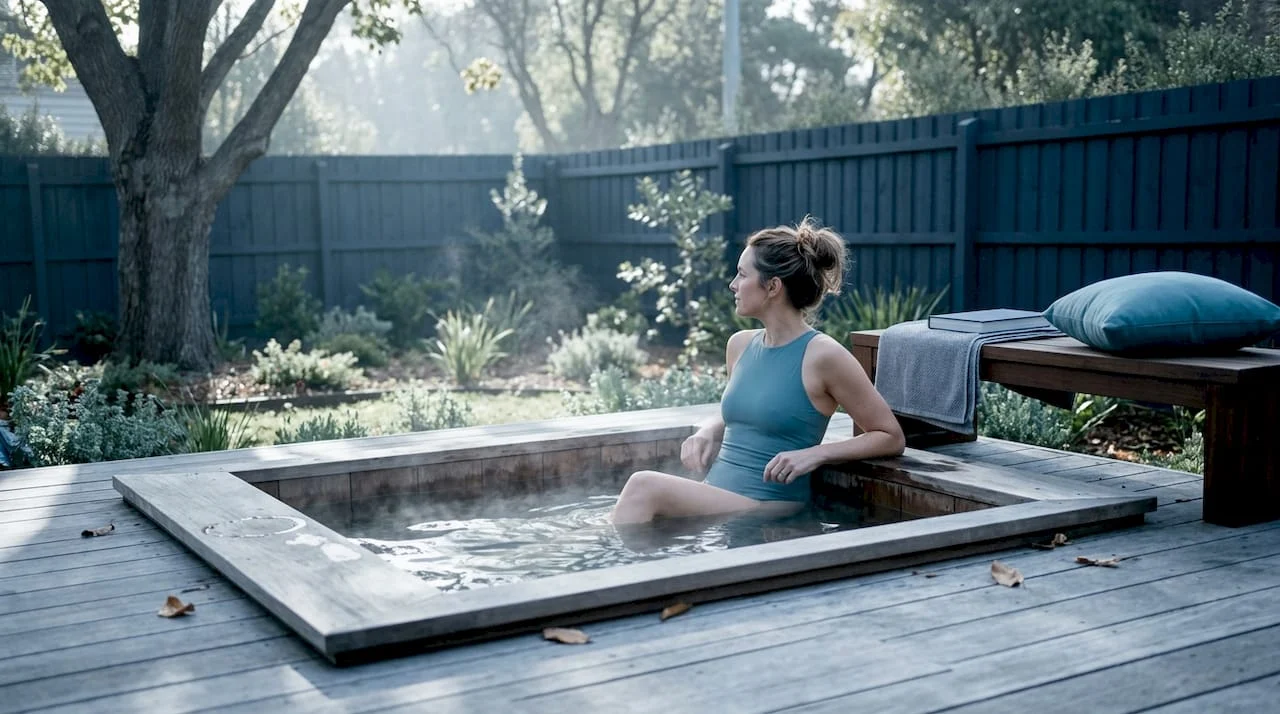
The health rewards of regular hot tub use are well-documented. When you’re spending less on energy each month, you’re also more likely to use your spa consistently. Consistent use is where the real wellness payoff comes from. Among the documented hot tub health benefits are:
- Cardiovascular support: Warm water immersion raises heart rate mildly, giving your cardiovascular system a gentle workout similar to light exercise.
- Immune system stimulation: The mild heat exposure may boost circulation and support immune function over time.
- Muscle and joint recovery: Hydrotherapy jets reduce inflammation and ease tension in sore muscles, which is especially valuable after workouts or physically demanding days.
- Stress reduction and sleep improvement: Regular evening soaks lower cortisol levels and signal the body to prepare for rest, improving both the quality and depth of sleep.
- Mental wellness: Time away from screens in a calming outdoor setting has measurable benefits for anxiety and mental clarity.
When you pair these rewards with the eco-friendly features of Hot Spring Spas, for example, you’re investing in a lifestyle tool that pays you back every time you use it. For a full sensory wind-down experience, some homeowners also enjoy eco-friendly bath linens alongside their spa routine.
Pro Tip: Use your eco-friendly hot tub consistently for at least 15 to 20 minutes per session, three to four times per week. That’s the frequency most often associated with meaningful cardiovascular and sleep benefits.
Smart decisions: Choosing and maintaining your green hot tub
Knowing the benefits is one thing. Making the right purchase and keeping your investment performing at its peak is where the long-term value truly lives.
How to evaluate eco-friendly hot tubs step by step
- Check the energy efficiency rating. Look for tubs that have passed California Energy Commission (CEC) testing. California has some of the strictest energy standards in the country, and CEC-certified tubs represent the top tier of efficiency nationwide.
- Ask specifically about insulation type. Request confirmation that full foam insulation fills the entire cabinet, not just the perimeter.
- Evaluate the heater system for your climate. If you live in a region with winters that dip below 40°F regularly, ask about hybrid heat pump and resistance options.
- Look at pump motor ratings. Variable-speed pumps save significantly more energy than single-speed models during routine filtration cycles.
- Factor in cover quality. A new tub with a poor cover still loses heat rapidly. Ask about cover R-value (insulating power). Higher is better.
Maintenance habits that protect your investment
Consistent maintenance prevents the kind of gradual energy loss that creeps up on owners over time. Research confirms that poor cover and insulation conditions waste up to $600 per year. Here’s how to stay ahead of it:
- Inspect and replace your cover when it begins to sag, crack, or feel heavy from absorbed moisture
- Keep jets and filters clean to prevent pump strain
- Use a floating thermal blanket under your cover in cold months for an extra layer of insulation
- Set your thermostat a few degrees lower when you know you won’t use the tub for a week or more
- Address small leaks immediately. Even a slow drip forces your heater to work harder to maintain temperature
Landscaping and design strategies
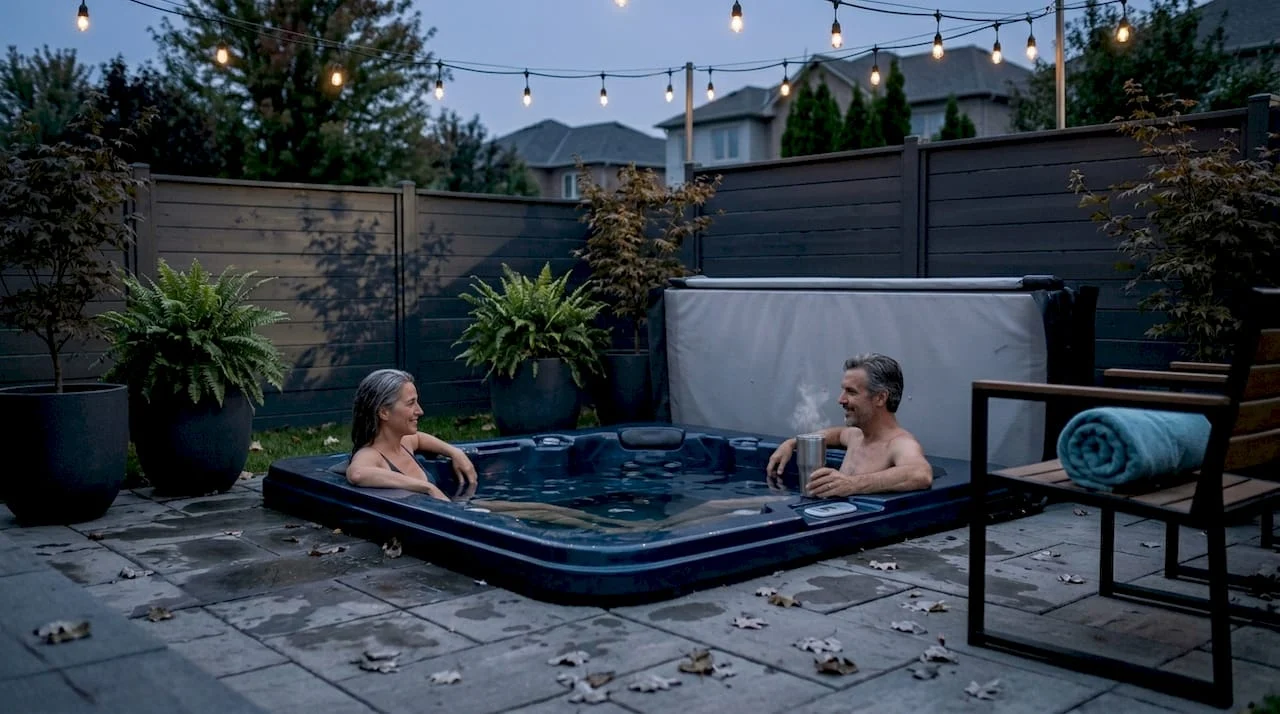
Your backyard setup itself can either help or hurt your tub’s efficiency. Designing a green hot tub backyard with windbreaks, like a fence, garden wall, or dense shrubs, can meaningfully reduce heat loss on cold or windy days. Placing your tub in a sheltered corner of your yard rather than an exposed deck spot can shave a real percentage off your annual running costs.
There are also a few common hot tub misconceptions worth clearing up as you plan your setup. Many homeowners think leaving a tub at full temperature 24/7 wastes more energy than turning it off between uses. In most cases, the opposite is true. Keeping a well-insulated tub at a stable temperature requires far less energy than reheating it from cold.
Pro Tip: In cold climates, plan a seasonal maintenance check in early fall before temperatures drop. Replace your cover if needed, check seals and jets, and confirm your heat pump is ready for lower ambient temperatures. Catching issues in September is much easier than dealing with them in January. Pair this with choosing the right hot tub covers for your region, and you’ll head into winter feeling confident. You can also explore sustainable bath linen options to round out your complete eco-friendly backyard wellness setup.
Why most people underestimate eco-friendly hot tub value
Here’s something most buying guides won’t tell you: the financial ROI calculation people use when shopping for eco-friendly hot tubs is almost always incomplete. They calculate energy savings versus purchase price and stop there. But that math leaves out the most valuable parts of the equation.
Consider health. The daily wellness benefits of regular hot tub use include better sleep, lower stress, and reduced muscle tension. These aren’t intangible feelings. Poor sleep alone costs U.S. adults measurable productivity and, in many cases, drives spending on other wellness products, supplements, medications, and gym memberships. A hot tub that improves your sleep three or four nights a week can offset its cost in ways that never appear on an energy bill comparison.
Then there’s property value. An eco-smart outdoor spa, well-integrated into a thoughtful backyard design, adds real curb appeal and lifestyle value for potential future buyers. Homes with premium outdoor living spaces consistently attract stronger offers. Sustainability features, in particular, are increasingly important to younger buyers who are entering peak home-purchasing years right now.
The deeper point is this: an eco-friendly hot tub isn’t just a lower-cost version of a regular hot tub. It’s a lifestyle anchor. It’s the thing that pulls you outside after a long day, slows your mind down, and gives your body the recovery it needs. When you build that habit into your home, you’re investing in something that compounds over time in ways a simple cost-per-kilowatt calculation will never capture.
Ready to transform your backyard with an eco-friendly hot tub?
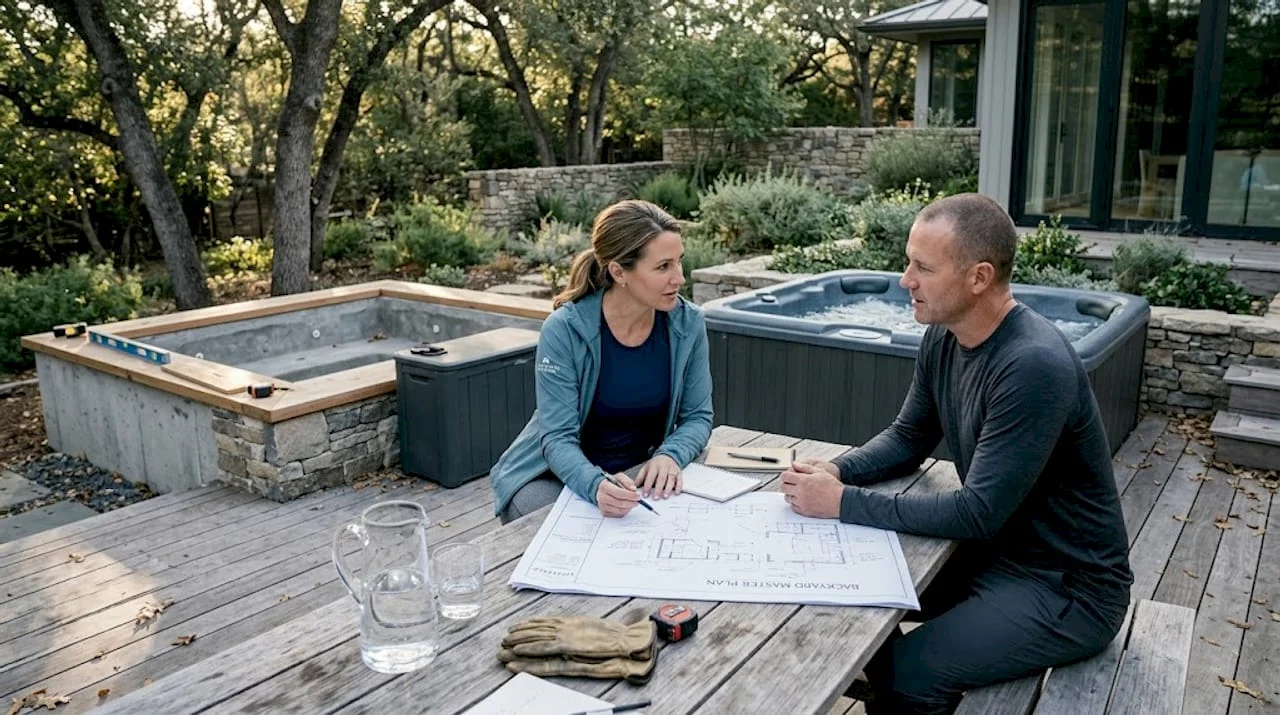
If this article has shifted how you think about hot tub ownership, the next step is exploring what’s actually available to you right now.

At Lifestyle Outdoor, we carry a carefully selected range of energy-efficient spas built to deliver real savings and real comfort. Whether you’re ready to shop eco-friendly hot tubs online, want to find hot tubs near Los Angeles to see options in person, or want to learn more about Hot Spring Spas, our team is here to help you find the right match for your backyard, your climate, and your wellness goals. Stop overpaying for energy you don’t need to use. Your personal soothing oasis is closer than you think.
Frequently asked questions
How much can I save on energy bills with an eco-friendly hot tub?
Upgrading to an eco-friendly hot tub can cut energy use by 40-80%, saving most homeowners hundreds of dollars per year depending on climate and usage habits.
Does eco-friendly mean a hot tub won’t be warm enough in winter?
Eco-friendly hot tubs with advanced insulation perform very well in cold climates, though heat pump efficiency does drop below 40°F, making hybrid models the better choice for harsh northern winters.
Are there federal tax credits for buying an eco-friendly hot tub?
No direct federal tax credits exist specifically for hot tub purchases; energy credits currently apply to home water heaters and other appliances, not recreational spas.
What’s the most important factor for eco-hot tub performance?
Full foam insulation is the single most impactful feature because it outperforms perimeter insulation by two to four times over the life of the tub, with no thermal drift.
Do eco-friendly hot tubs help with health and wellness?
Yes, regular soaking supports cardiovascular and immune health while reducing stress and improving sleep, making eco-friendly hot tubs a strong investment in your overall well-being.